
Can Dogs Eat Chestnut? A Dog Owner’s Guide
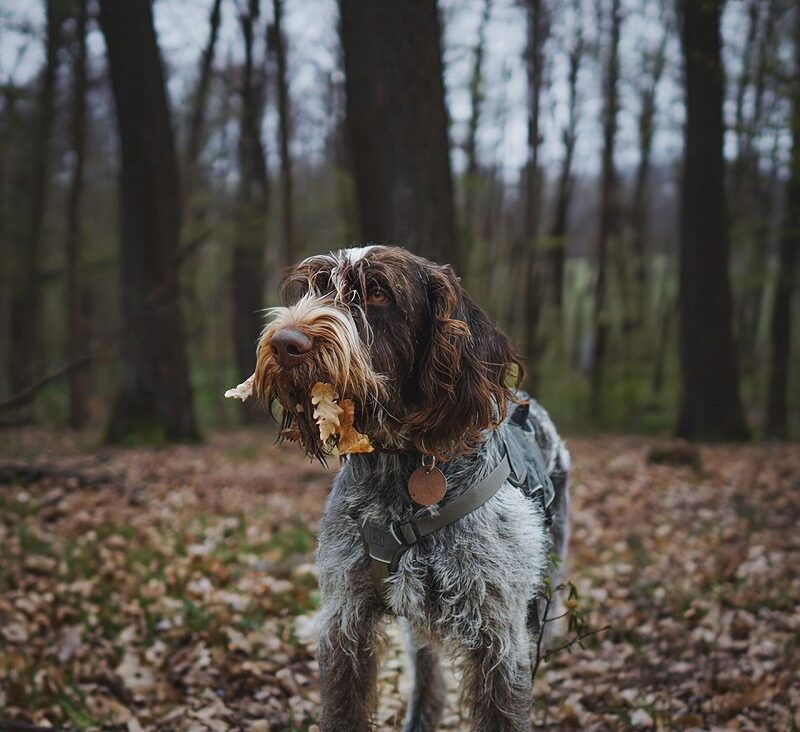
Chestnuts can be a cozy snack, but your dog needs the plain, safe version.
There’s something comforting about the smell of roasted chestnuts on a chilly day. And if you have a dog, there’s a good chance they’ll be sitting nearby, watching every bite and hoping for a taste.
So, can dogs eat chestnuts? Yes, dogs can eat certain chestnuts, but only when they are prepared the right way. The safe kind is the edible sweet chestnut, and it should always be cooked, peeled, plain, and served in small amounts.
The biggest concern is that not all chestnuts are safe. Sweet chestnuts are very different from horse chestnuts, which are toxic to dogs. Knowing the difference matters, especially during fall walks when chestnuts may be scattered on the ground.

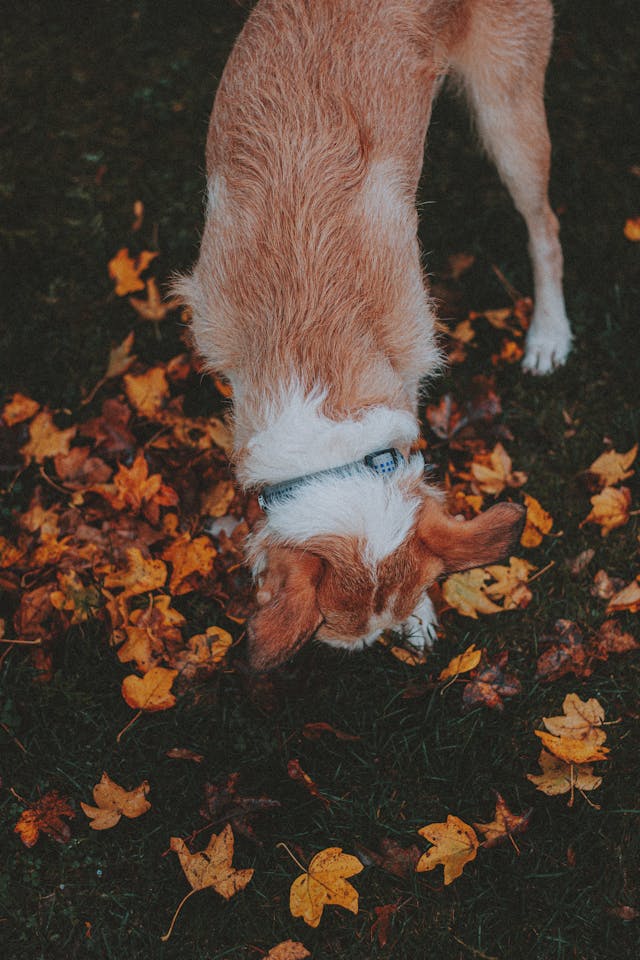
Sweet Chestnuts vs. Horse Chestnuts
Before giving your dog any chestnut, make sure you know exactly what type it is. Sweet chestnuts are the edible kind people roast and eat. Horse chestnuts, also called conkers, are poisonous to dogs and should never be fed to them.
Sweet Chestnuts
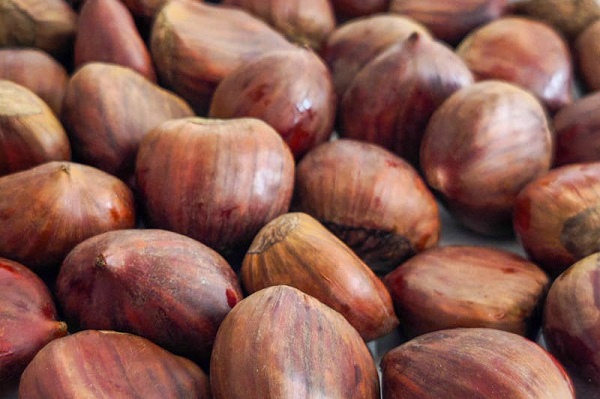
Sweet chestnuts grow inside a very spiky outer casing called a bur. It looks a little like a green sea urchin, with lots of long, sharp spikes.
Inside, there are usually two or three nuts. The nuts often have a flat side, a pointed tip, and a small tassel-like end.
These are the chestnuts that can be safe for dogs when cooked, peeled, and served plain.
Can Dogs Eat Horse Chestnuts?
No, dogs should never eat horse chestnuts. Horse chestnuts contain a toxic compound called aesculin, which can make dogs very sick.
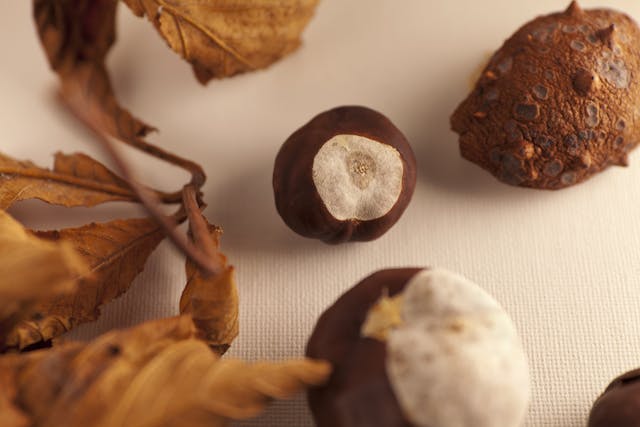
Horse chestnuts usually grow inside a thick, green, leathery shell with fewer, shorter spikes. The nut inside is usually round, shiny, and smooth, almost like a glossy brown marble.
If your dog eats a horse chestnut or chews part of the husk, contact your vet right away. Signs of poisoning may include vomiting, diarrhea, drooling, weakness, wobbling, tremors, or seizures.
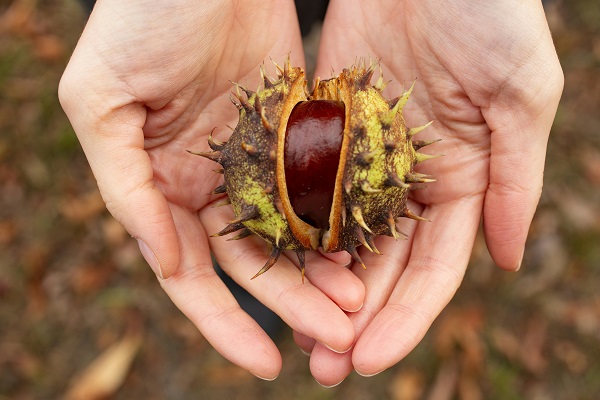
Horse chestnuts contain a nasty toxin called aesculin. If a dog eats one, it can lead to some really scary symptoms like vomiting, diarrhea, drooling, wobbliness, and even muscle tremors.
If you ever think your dog has eaten a horse chestnut, it’s a drop-everything-and-call-the-vet situation.
Quick Comparison: Sweet Chestnuts vs. Horse Chestnuts
| Feature | Sweet Chestnut | Horse Chestnut |
|---|---|---|
| Safe for dogs? | Yes, when cooked, peeled, plain, and served in small amounts | No, toxic to dogs |
| Outer shell | Very spiky bur with many long spikes | Thick green shell with fewer short bumps or spikes |
| Nut shape | Often flat on one side with a pointed tip | Round, shiny, and smooth |
| Common use | Roasted and eaten by people | Often found on the ground as conkers |
| Main concern | Choking risk if not prepared properly | Poisoning risk |
Are Chestnuts Good for Dogs?
Sweet chestnuts can offer some nutrients, but they should still be treated as an occasional snack rather than a regular part of your dog’s diet.
They contain fiber, which may support digestion, along with small amounts of vitamins and minerals. They are also lower in fat than many other nuts, which makes them a safer choice than high-fat nuts like macadamias, pecans, or walnuts.
That said, chestnuts are starchy. Too much can lead to stomach upset, gas, or extra calories your dog does not need. A small piece is enough for most dogs.
Can Dogs Eat Roasted Chestnuts?
Yes, dogs can eat roasted chestnuts as long as they are the edible sweet chestnut variety and are prepared safely.
Roasted chestnuts for dogs should be:
- Fully cooked
- Completely peeled
- Unsalted
- Unbuttered
- Free from seasonings
- Cut into small pieces
Avoid sharing roasted chestnuts from street vendors, holiday mixes, or packaged snack bags unless you know they are plain. Many are prepared with salt, butter, sugar, oils, or spices that are not suitable for dogs.
How to Safely Prepare Chestnuts for Dogs
The safest way to share chestnuts is to prepare them yourself. That way, you know exactly what your dog is eating.
Cook the Chestnuts First
Raw chestnuts can be hard for dogs to digest. They are also firm, which can make them harder to chew.
Roasting or boiling sweet chestnuts softens them and makes them easier for your dog to eat. If roasting, score the shell first, cook until tender, and let them cool before handling.
Remove the Shell and Skin
Always remove the hard outer shell before giving chestnuts to your dog. The shell can be a choking hazard and may also cause digestive trouble if swallowed.
You should also remove the thin papery skin underneath. It can be bitter and difficult for some dogs to digest.
Keep Them Plain
Dogs do not need salt, butter, sugar, or seasoning on chestnuts. These extras can irritate the stomach, and high-fat toppings may be especially risky for sensitive dogs.
Serve only plain cooked chestnut pieces.
Cut Them Into Small Pieces
Even when cooked, chestnuts can still be a choking risk. Cut them into small pieces based on your dog’s size.
For small dogs, mash a tiny piece with a fork. For larger dogs, chopped pieces are usually safer than offering a whole chestnut.
Start With a Tiny Amount
Give your dog a small bite the first time and watch for any signs of stomach upset. If they handle it well, chestnuts can remain an occasional fall treat.
A small dog may only need one or two tiny pieces. A large dog may be able to have a little more, but moderation is still important.
Chestnut Products Dogs Should Avoid
Not every chestnut product is safe for dogs. Many human foods contain added ingredients that can cause problems.
Chestnut Purée
Most chestnut purées are made for desserts and may contain sugar, cream, syrup, or flavorings. These should not be given to dogs.
Canned Chestnuts in Syrup
Chestnuts packed in syrup are too sugary for dogs and may upset their stomach. They are best avoided.
Seasoned Chestnut Snacks
Avoid chestnuts flavored with salt, garlic, onion powder, spices, chocolate, or sweet coatings. Garlic and onion are especially dangerous for dogs.
Chestnut Flour
Plain chestnut flour can be used in small amounts for homemade dog treats, as long as the rest of the recipe is dog-safe. It should not replace your dog’s normal food.
What to Do If Your Dog Ate a Horse Chestnut
If your dog ate a horse chestnut, treat it as urgent. Do not wait for symptoms to appear.
Call your veterinarian, an emergency animal hospital, or a pet poison hotline right away. Tell them your dog’s size, how much you think they ate, and when it happened.
Do not try to make your dog vomit unless a veterinary professional tells you to do so.
Signs of Horse Chestnut Poisoning in Dogs
Watch for symptoms such as:
- Vomiting
- Diarrhea
- Drooling
- Loss of appetite
- Belly pain
- Weakness
- Unusual tiredness
- Stumbling or poor coordination
- Tremors
- Seizures
Symptoms can appear within a few hours, but even if your dog seems normal, it is still safest to get professional advice quickly.
Final Thoughts on Feeding Chestnuts to Dogs
So, can dogs eat chestnuts? Yes, dogs can eat sweet chestnuts when they are cooked, peeled, plain, and served in small pieces.
The most important rule is to avoid horse chestnuts completely. They are toxic to dogs and can cause serious illness.
If you are ever unsure what kind of chestnut you have, do not share it with your dog. A mystery nut is not worth the risk. Stick with properly prepared sweet chestnuts, offer only a small amount, and keep it as an occasional treat.
FAQ
Can dogs eat water chestnuts?
Yes, dogs can eat water chestnuts in small amounts. They are not true nuts; they are aquatic vegetables. Serve them plain and chopped.
Are raw chestnuts safe for dogs?
Raw sweet chestnuts are not the best choice. They can be hard to digest and may pose a choking risk. Cook them first, then peel and chop them before serving.
How many chestnuts can a dog eat?
A small dog should only have a tiny piece or two. A larger dog may be able to have a few small pieces. Chestnuts are starchy, so too many can upset your dog’s stomach.
Can puppies eat chestnuts?
It is better to be cautious with puppies. Their stomachs can be sensitive, and choking is a bigger concern. Ask your vet before offering new foods to a puppy.
What should I do if my dog ate a chestnut outside?
Try to identify the chestnut. If there is any chance it was a horse chestnut, call your vet right away. If you are not sure, treat it as a possible poisoning risk and get advice.
Pretty Fluffy is the ultimate lifestyle destination for dog lovers. Discover the best designer dog brands and emerging small pet businesses, the latest dog accessories, healthy dog treat recipes, dog training tips and more. Thank you for being part of our dog-loving community!

Fluffy Editorial is our in-house team of writers and dog nerds. We research every topic carefully, talk to professionals when needed, and focus on sharing honest advice we’d follow with our own dogs.




-
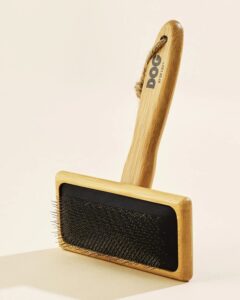
 DOG By Dr Lisa Dog Brush
lovely everyday brush for dog parents who want something gentle and easy to use.

-
DOG By Dr Lisa Dog Brush
lovely everyday brush for dog parents who want something gentle and easy to use.