


How to Create a Calm, Cozy Routine for Your Dog
 Beyond
Written by
Dog Lover ContributorUpdated 24 May 2026 · 5 Min Read
Our niche sponsors, who share our love of dogs, contribute articles to the site.
There’s something magical about a dog who feels completely at ease at home. The soft sigh from their bed. The slow blink from across the room. The little stretch before they curl into their favorite blanket like they own the place.But if your pup is more pacing than peaceful, more barking than blissful, you’re not alone. Canine anxiety is incredibly common. Research has found that around 20 to 25 percent of dogs show fearfulness toward strangers, other dogs, or new situations, while separation anxiety affects an estimated 14 to 20 percent of dogs.The lovely news? A calm routine can make your dog’s world feel safer, softer, and more predictable. And when your dog knows what to expect, their nervous system gets a chance to exhale.
Start With a Predictable Morning
Your dog doesn’t need a complicated wellness ritual. They need rhythm.Begin the day with the same gentle sequence whenever possible: a potty break, breakfast, a short walk, then a quiet settling period. This simple pattern helps your dog understand what comes next, which can be especially comforting for anxious pups.Try to keep your energy relaxed in the morning. Your dog is beautifully tuned in to your mood, so frantic departures, rushed goodbyes, and noisy exits can set the tone for the whole day. Think soft voices, calm movement, and a little extra patience while you both wake up.
Create a Cozy Calm Zone
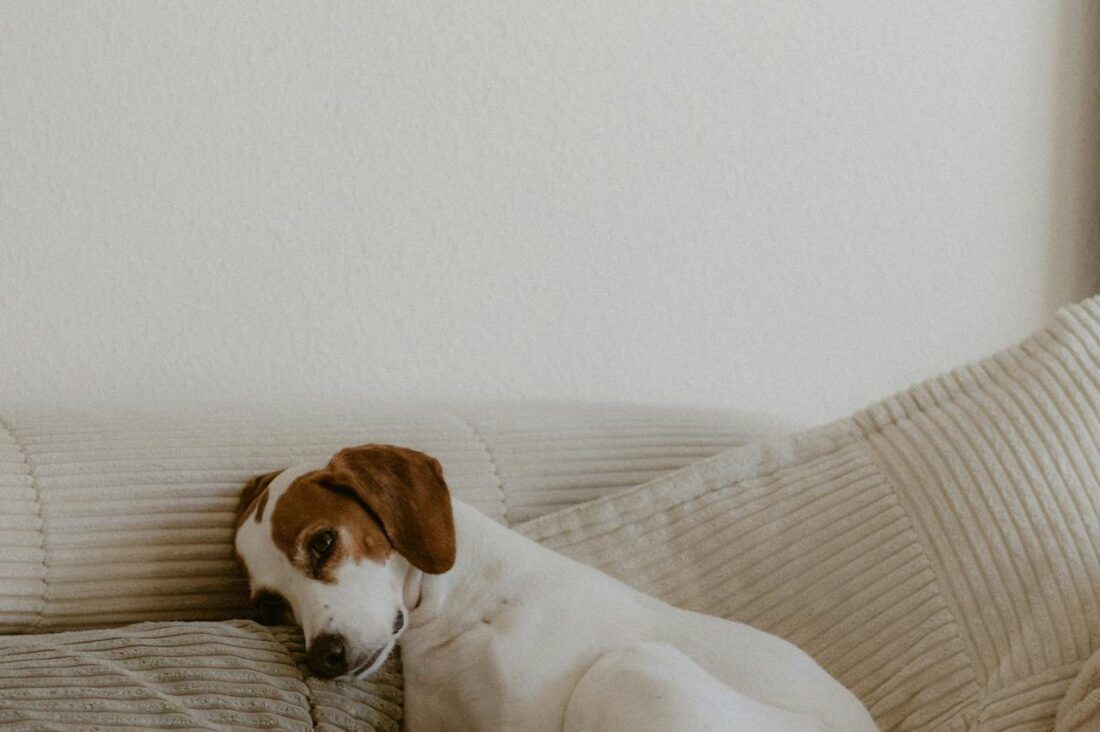
Every dog deserves a space that says, “This is where you are safe.”It might be a plush bed in the corner of your bedroom, a crate with the door open, or a little nook beside the sofa. Add a washable blanket, a favorite toy, and perhaps a piece of clothing that smells like you. Keep it away from busy doorways, loud appliances, and windows where passing dogs or delivery drivers might spark stress.Your dog’s calm zone should never be used as a punishment. It’s their retreat, their reset button, their tiny sanctuary after a big day of being adorable.
Use Movement to Melt Stress
A tired dog is not always a calm dog, but the right kind of movement can work wonders.Instead of relying only on high-energy play, mix in slow sniff walks. Sniffing is naturally enriching for dogs and gives their busy brains something satisfying to do. Let your dog linger at lamp posts, investigate leaves, and gather all the neighborhood gossip.You can also add gentle indoor activities on rainy days:
- A treat scattered on a snuffle mat
- A stuffed enrichment toy
- A five-minute training session with easy cues
- A slow game of “find it” around the room
The goal is not to exhaust your dog. It’s to help them feel fulfilled.
Build in Quiet Time Before Stressful Moments
If your dog struggles when you leave the house, when guests arrive, or when bedtime rolls around, don’t wait until the stressful moment to help them calm down.Create a small pre-calm ritual. Dim the lights. Turn on soft music or white noise. Offer a chew or lick mat. Sit nearby without making a big fuss. Over time, these cues can tell your dog that it’s time to settle.Veterinary behavior experts often recommend behavior modification for anxiety, and some dogs may also need medication or other support depending on the severity of their symptoms. A routine is a beautiful foundation, but it should be part of a bigger care plan if your dog is truly distressed.

Be Thoughtful With Calming Products
From calming chews to pheromone diffusers, the pet aisle is full of promises. Some products may be helpful for some dogs, but no supplement should replace training, environmental support, or veterinary care.If you’re exploring anxiety supplements for dogs, talk to your vet first, especially if your pup takes medication, has a health condition, is pregnant, or is very young or senior. Natural does not always mean risk-free, and the right choice depends on your dog’s age, size, health, and specific triggers.Look for products with clear ingredient lists, quality testing, and dosing instructions. Be wary of anything that promises an instant cure. Calm is usually built in layers, not delivered in one magic treat.
Watch Your Dog’s Body Language
Your dog is always talking to you. The trick is learning their language before anxiety turns into barking, lunging, or hiding.Common early signs of stress can include lip licking, yawning, panting when it isn’t hot, pacing, whale eye, tucked tail, pinned ears, or suddenly refusing treats. If you notice these signals, give your dog space and reduce the pressure.A calmer routine starts with listening. When your dog learns that you’ll notice their discomfort and help them feel safe, trust grows.
Make Evenings Soft and Simple
Evening routines are where cozy really shines.After dinner and a final walk, shift the house into calm mode. Lower the volume. Keep play gentle. Offer a chew, brush your dog if they enjoy it, or invite them onto their bed while you read or watch TV.Dogs thrive when the end of the day feels predictable. A soothing bedtime routine can help your pup transition from “what’s next?” to “time to rest.”
Know When to Ask for Extra Help
Some anxiety is too big for a cozy blanket and a consistent schedule alone. If your dog is destroying doors, injuring themselves, panicking when left alone, growling from fear, or taking a long time to recover after everyday events, it’s time to speak with your vet or a qualified force-free trainer.You are not failing your dog by asking for help. You are advocating for them.
The Calm You Create Together
A calm, cozy routine is not about having the perfect home, the fanciest dog bed, or a pup who never has a moment of worry. It’s about creating little pockets of safety your dog can count on.Start small. Keep the morning predictable. Make rest feel inviting. Add enrichment, gentle movement, and quiet transitions. Pay attention to what your dog is telling you.With time, your routine becomes more than a schedule. It becomes a love language your dog understands every single day.
Related Reading


Share a thought, ask a question, or tell us about your own dog. We read every comment.