


Hairless Dog Breeds and Their Care
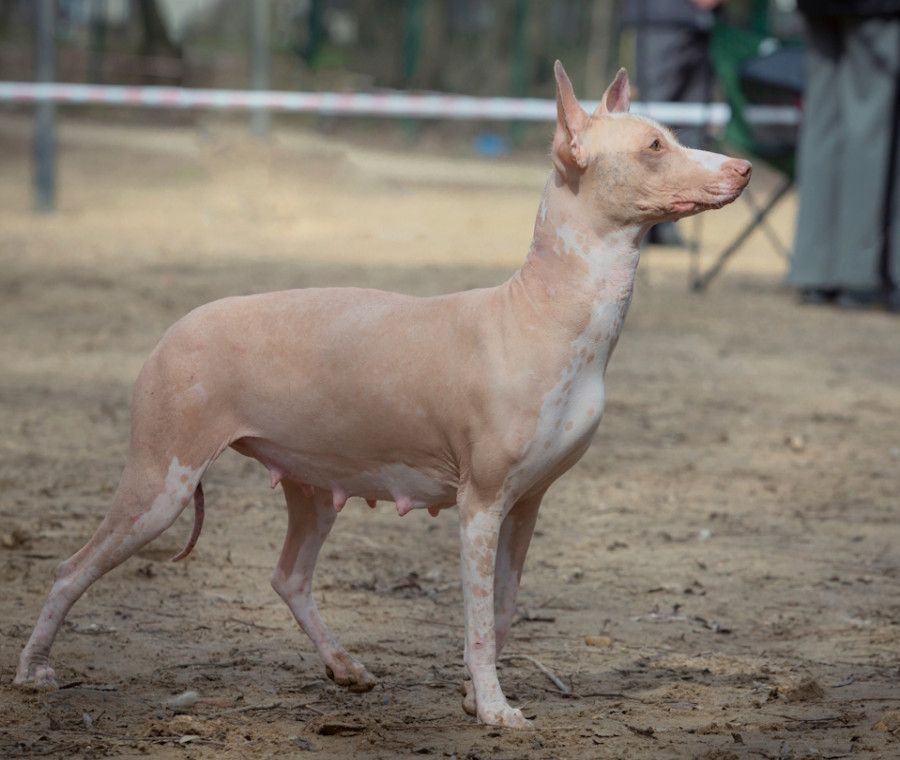 Dog Breeds

A hairless dog turns heads on every walk, and most people who stop to ask about one want to know the same three things: do they shed, are they good for allergies, and how much work is that bare skin? Hairless dog breeds are among the oldest dogs in the world, and far easier on the vacuum than a Golden Retriever. They are not low-maintenance, though. What they save on brushing, they spend on sunscreen, sweaters and skin care.
Four hairless dog breeds are well established and genuinely available. A handful more are rare regional types that very few people outside their home country will ever meet. Both groups are below, along with what living with a dog without fur really involves.
Dogs With No Hair at a Glance
The four recognized hairless dog breeds are the Xoloitzcuintli (Mexican Hairless Dog), the Chinese Crested, the American Hairless Terrier and the Peruvian Inca Orchid. The Hairless Chihuahua is a variation rather than a separate breed, while the Argentine Pila, Hairless Khala and Ecuadorian Hairless Dog are rare regional types. All hairless dogs need sun protection, warmth in cold weather and regular skin care.
| Breed | Size | Lifespan | Energy | Best for | Availability |
|---|---|---|---|---|---|
| Xoloitzcuintli | Toy, miniature or standard | 13 to 18 years | Moderate | Loyal, watchful companion | Moderate |
| Chinese Crested | Small | 13 to 18 years | Moderate | Families, seniors, apartments | Common |
| American Hairless Terrier | Small | 14 to 16 years | High | Active families, first-time owners | Common in the US |
| Peruvian Inca Orchid | Small, medium or large | 12 to 14 years | Moderate to high | Experienced owners | Moderate |
| Hairless Chihuahua | Toy | 14 to 16 years | Moderate | Experienced small-dog owners | Rare |
| Argentine Pila | Small to large | Not well documented | Moderate | Regional ownership | Very rare |
| Hairless Khala | Medium to large | Not well documented | Moderate to high | Regional ownership | Very rare |
| Ecuadorian Hairless Dog | Not standardized | Not documented | Unknown | Regional ownership | Extremely rare |
| Abyssinian Sand Terrier | Not standardized | Not documented | Unknown | Historical interest | Possibly no longer exists |
Why Some Dogs Have No Fur
Hairlessness in dogs comes from two unrelated genes. Most hairless breeds, including the Xolo, Chinese Crested and Peruvian Inca Orchid, carry a mutation in a gene called FOXI3. It is dominant, so one copy is enough to make a dog hairless, but two copies are not viable. That is why these breeds always produce some coated puppies, like the Chinese Crested Powderpuff or the coated Xolo, often in the same litter as hairless siblings.
FOXI3 also shapes tooth development, so dogs with this gene commonly have missing or unusually shaped teeth, and they usually keep some hair on the head, feet or tail. The American Hairless Terrier is the exception. Its hairlessness comes from a recessive mutation in a different gene, SGK3, which leaves the teeth unaffected and produces puppies born with a light fuzz that disappears within the first weeks of life.
Are Hairless Dogs Hypoallergenic?
No dog is truly hypoallergenic, and hairless dogs are no exception. People with dog allergies react mainly to a protein called Can f 1, found in saliva, dander and urine rather than fur itself. Research on household dog allergens found no meaningful difference between homes with so-called hypoallergenic breeds and other dogs.
That said, many allergy sufferers find a dog with no hair easier to live with, because there is no shed coat spreading dander around the house. Reactions vary enormously, so spend real time with the breed, ideally more than once, before committing.
Recognized Hairless Dog Breeds
These four have established breed standards, active breeder communities and a realistic path to ownership.
Xoloitzcuintli (Mexican Hairless Dog)

The Xoloitzcuintli (show-low-eats-QUEENT-lee) is one of the oldest dog breeds in the world, with a history in Mexico stretching back more than 3,000 years. Its name joins Xolotl, the Aztec god, with itzcuintli, the word for dog, and it is now Mexico's national dog. Xolos come in three sizes and in hairless and coated varieties.
They are calm, alert and deeply loyal to their family, and naturally reserved with strangers. That makes early socialization important, along with an owner who can read a wary dog well; this guide on how to speak dog is a good place to start. Once settled, Xolos are quiet, intelligent and low-drama.
- Lifespan: 13 to 18 years
- Best for: Households wanting a loyal, watchful companion
- Not ideal for: Owners who want a dog that greets every stranger warmly
- Availability: Moderate, usually with a waiting list
Chinese Crested

The best known of all hairless dogs, and despite the name, its origins are debated rather than clearly Chinese. The Hairless variety has silky tufts on the head, feet and tail, while the Powderpuff has a full soft coat, and both can arrive in the same litter.
Cresteds are affectionate, playful and intensely attached to their person, with an almost cat-like habit of perching somewhere high to watch the room. That attachment means they can struggle when left alone often, a trait shared with other anxious dog breeds. Their small size and gentle nature suit seniors and apartment living particularly well.
- Lifespan: 13 to 18 years
- Best for: Singles, couples, families and seniors who are home often
- Not ideal for: Owners wanting an independent dog or a long-distance hiking partner
- Availability: Common, the most widely available hairless breed
American Hairless Terrier

The only hairless breed developed in the United States. It began in Louisiana in 1972, when a hairless puppy turned up in a litter of Rat Terriers and a local family built a line from her. The breed earned full recognition in the US in 2016. Thanks to the SGK3 gene, adults are completely smooth, with no tufts, though many keep whiskers and eyebrows.
Personality is pure terrier: curious, quick, energetic and eager to be involved. They train well and suit active owners, and with good skills for living around children, they are often a good family fit.
- Lifespan: 14 to 16 years
- Best for: Active families and first-time owners
- Not ideal for: Low-energy homes, or homes with pet rodents, given their terrier prey drive
- Availability: Common in the US, rarer elsewhere
Peruvian Inca Orchid

Peru's national dog appears in pottery from pre-Inca cultures, and legend says Spanish arrivals found these dogs resting among orchids in Inca homes, which gave them their name. The Peruvian Inca Orchid is an elegant sighthound in three sizes, with hairless and coated varieties.
They are sensitive, independent and quick, with a strong prey drive and a wariness of strangers that needs thorough early socialization. Bright and among the more intelligent dog breeds to live with, they reward experienced, patient owners.
- Lifespan: 12 to 14 years
- Best for: Experienced owners who enjoy an independent sighthound
- Not ideal for: First-time owners or homes with cats and small pets
- Availability: Moderate, more common in South America
Rare Breeds of Hairless Dogs
These rarer hairless dog breeds are variations or regional types without recognition from major kennel clubs. They are fascinating to read about, but finding one ethically outside its home country is extremely difficult.
Hairless Chihuahua

The Hairless Chihuahua is not a separate breed, and hairlessness is not part of any Chihuahua breed standard. Where the trait comes from is not well documented, so a hairless puppy sold as a purebred deserves careful questions about its parents and health. Temperament is classic Chihuahua: bold, loyal to one person and suspicious of strangers, which this look at why Chihuahuas can be aggressive explains. Their skin is especially delicate and needs daily attention.
- Lifespan: 14 to 16 years
- Not ideal for: Homes with young children or large, boisterous dogs
- Availability: Rare, with real concerns about unethical breeding
Argentine Pila

The Pila is closely related to the Peruvian Inca Orchid and is thought to have reached northern Argentina through ancient trade routes. It comes in several sizes, and owners describe an affectionate, playful dog that fits into family life much like the best family dogs do. Outside Argentina, there is no established breeder network.
Hairless Khala (Bolivian Hairless Dog)

The Khala is Bolivia's hairless dog, a lean, long-legged type with the build of a sighthound. Owners describe a dog that is affectionate at home but quick to chase anything that moves, so a secure fence matters. It is not registered with major kennel clubs and is almost never seen outside Bolivia.
Ecuadorian Hairless Dog
One of the least documented hairless dogs anywhere. It is believed to be related to the Peruvian Inca Orchid, is known mainly within Ecuador, and has no breed standard or international registry. Beyond that, reliable information is scarce, and claims about its temperament or lifespan should be treated with caution.
Abyssinian Sand Terrier (African Hairless Dog)
Also called the African Hairless Dog or Egyptian Hairless Dog, this type appears in historical accounts of hairless dogs from Africa. Today it is considered extremely rare at best, and it may no longer exist as a distinct type. It is best read as a piece of dog history rather than a breed to look for.
Jonangi: Short-Coated, Not Hairless

The Jonangi often turns up on lists of dogs with no fur, but it actually has a very short, smooth coat. This Indian breed from the country's east coast is lean, athletic and independent, and it is known for yodeling and chortling rather than barking. It is a wonderful dog, just not a hairless one.
Hairless Dog Care
A hairless dog skips the brush and the shedding, but its skin takes the full force of sun, cold, dirt and friction every day.
Sunscreen and Sun Protection
Hairless dogs can sunburn, and repeated sun damage raises the risk of skin problems over time. Use a sunscreen made for dogs on exposed skin before time outdoors, and avoid human sunscreens containing zinc oxide, which is toxic to dogs if licked. Walk early or late on hot days, give constant access to shade, and keep these summer safety tips in mind.
Coats and Sweaters for Cold Weather
Without fur, there is no insulation. Most hairless dogs need a sweater or coat for walks in cool weather and should never be left out in the cold. A well-fitted layer from these dog apparel and accessories is a daily essential rather than a fashion choice.
Bathing, Moisturizing and Skin Checks
Bathe roughly weekly with a mild, dog-safe cleanser, since bare skin collects oil and dirt and can develop blackheads or acne, particularly on the back. Do not over-bathe, which strips natural oils. Moisturize with a fragrance-free pet product if the skin looks dry, check daily for redness or scratches, and browse these dog grooming brands for gentle options.
Dental Care for Hairless Dogs
Because the FOXI3 gene affects tooth development, Xolos, Cresteds and Peruvian Inca Orchids often have missing or irregular teeth. Regular vet dental checks and daily brushing help protect the teeth they have.
Choosing the Right Hairless Dog Breed
For families, the Chinese Crested is the most adaptable and affectionate choice, and it sits comfortably alongside other dog breeds for kids when children are gentle. Active households tend to love the American Hairless Terrier. The Xolo makes the best watchful companion, and the Peruvian Inca Orchid shines with an experienced owner. Whichever appeals, meet the breed in person, talk to current owners, and budget for sunscreen, clothing and skin care from day one.
FAQ
Frequently asked questions
1Are hairless dogs hypoallergenic?
No. Dog allergies are triggered by proteins in saliva, dander and urine, not fur, and hairless dogs produce all of them. Many allergy sufferers still find hairless dogs easier to live with because no shed coat spreads dander through the home. Spend time with the specific breed before committing to see how you react.
2Do hairless dogs need sunscreen?
Yes. Bare skin can sunburn, and repeated sun damage can lead to skin problems. Apply a sunscreen formulated for dogs to exposed skin before time outdoors, and avoid human products containing zinc oxide, which is toxic to dogs if licked. Shade and early or late walks help too.
3Do hairless dogs get cold easily?
Yes. Dogs without fur have no natural insulation, so most need a sweater or coat for walks in cool weather and should not be left outside in low temperatures. Warm bedding indoors helps, and many hairless dogs happily burrow under blankets to stay cozy.
4What is the most popular hairless dog breed?
The Chinese Crested is the most popular and widely available hairless dog breed worldwide. The Xoloitzcuintli and American Hairless Terrier are also well established, particularly in North America, while the Peruvian Inca Orchid remains far less common outside South America, where most of its breeders are.
5Which hairless dog is best for first-time owners?
The American Hairless Terrier and Chinese Crested are the most beginner-friendly hairless dogs. Both are trainable and sociable, without the strong prey drive and wariness of strangers that make the Xolo and Peruvian Inca Orchid more demanding. Both still need daily skin care, so budget time for it from the start.
Related Reading


Share a thought, ask a question, or tell us about your own dog. We read every comment.