


18 Best Dog Breeds for Apartments
 Dog Breeds
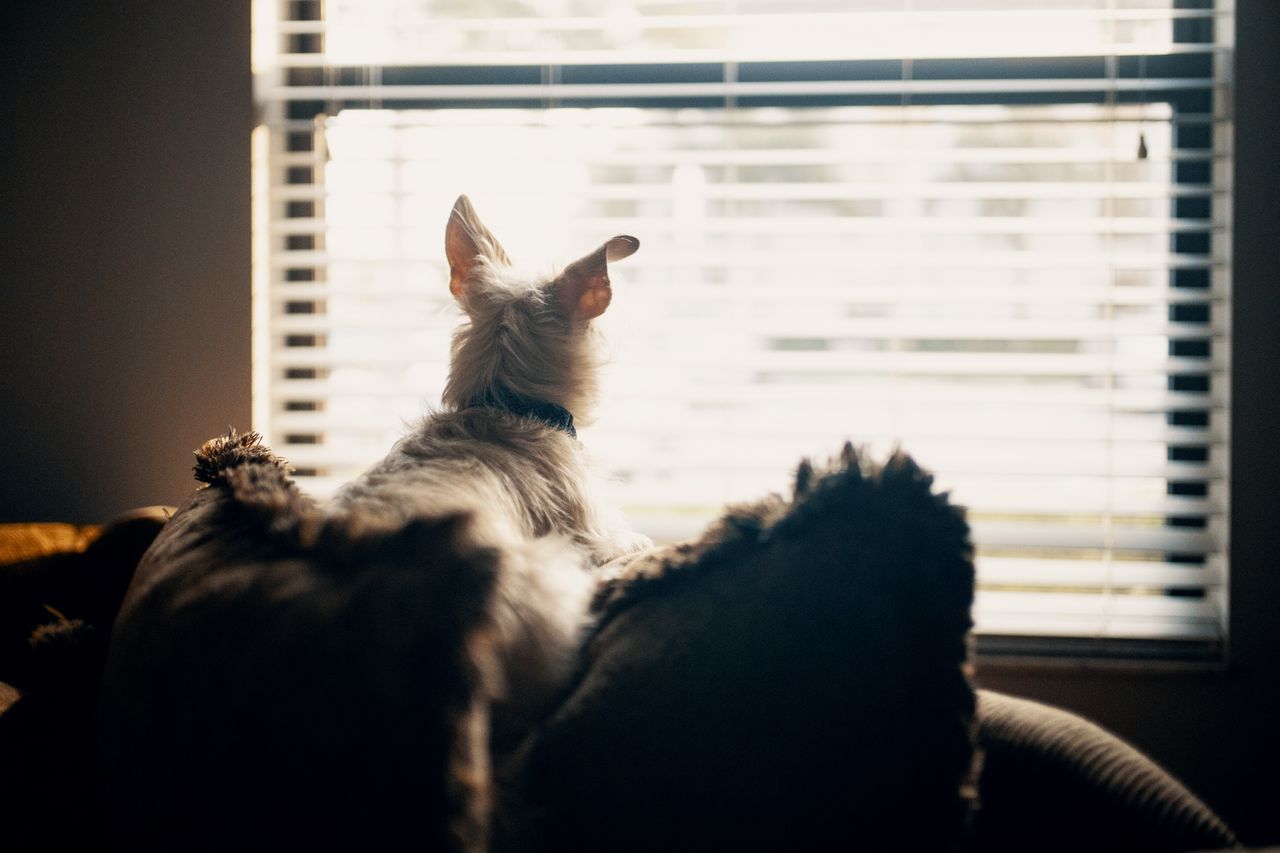
The best apartment dogs are not always the smallest ones. I learned that living in a walk-up with Yuki, my Maltese, who weighs under seven pounds and still managed to alert the entire building to a delivery driver three floors down. The Greyhound in the apartment below us slept through all of it.
Size gets most of the attention when people start shopping for a dog in a small space. Noise, energy and how well a dog copes with being alone matter far more. Below are 18 breeds that genuinely suit close quarters, grouped by size, with the honest caveats for each.
What Makes a Good Apartment Dog
A good apartment dog is calm indoors, quiet enough that neighbors are not counting barks through shared walls, and able to settle alone for a normal working day. Exercise needs matter more than square footage, because a dog who gets a proper walk and some mental work will sleep through the whole afternoon in a studio. Temperament and noise level predict apartment success better than weight does, which is why Greyhounds often do better in small spaces than Jack Russell Terriers.
Four things carry the most weight when I am judging whether a breed suits apartment life:
- Noise. Alert barking causes most renter complaints, and it is a breed tendency before it is a training problem.
- Energy and stamina. A dog who needs two hours of hard running will tell you about it at 9pm.
- Tolerance for alone time. Apartments amplify distress behavior, because every sound travels.
- Stairs, elevators and lobbies. A dog who reacts to every stranger in a hallway makes your daily routine miserable.
Small does not mean easy, either. Tiny breeds are often under-socialized precisely because their behavior seems manageable, which is how a five pound dog ends up ruling a hallway. Our guide to why Chihuahuas seem aggressive explains how that pattern forms and how to avoid it.
Small Dog Breeds for Apartments
These are the breeds that fit a studio or one bedroom comfortably, generally under 30 pounds, and get most of their physical needs met with a decent walk and indoor play.
Cavalier King Charles Spaniel

Roughly 13 to 18 pounds, quiet, and remarkably unbothered by hallway noise and elevator rides. Cavaliers are adaptable and happy to match your pace. The catch is health rather than behavior: the breed has high rates of mitral valve disease and syringomyelia, so a breeder doing genuine cardiac and neurological screening is not optional.
French Bulldog

Compact at 16 to 28 pounds, low endurance, and rarely a nuisance barker, which explains why Frenchies are everywhere in city buildings. They are also the breed I flag hardest. Short muzzles come with real breathing and heat risk, and a Frenchie cannot safely handle a hot afternoon walk or a stuffy top floor apartment. Our Long-Haired French Bulldog breed guide covers what to check before you commit.
Bichon Frise

Around 12 to 18 pounds, cheerful, and low shedding, which is a real advantage when you are vacuuming 600 square feet. Bichons are sociable and easy in close quarters, though they can be vocal when left alone and need a professional groom every six to eight weeks.
Havanese

Seven to 13 pounds of pure velcro dog. The Havanese is low shedding and content in a small home as long as you are in it too. They are alert barkers by default, so early work on ignoring hallway sounds pays off. Best suited to people who work from home.
Shih Tzu

At nine to 16 pounds, the Shih Tzu was bred purely for companionship and behaves like it. A leisurely daily walk is enough, and they settle easily. This is a flatter-faced breed, so heat management matters, and the long coat needs daily brushing or a short clip.
Maltese

Under seven pounds, devoted, and genuinely tiny, which makes the Maltese one of the best small dogs for apartments on paper. In practice, this is the breed I know best, and the honest version is that they are opinionated about visitors and can be vocal. Yuki is quiet now because we worked on it consistently, not because the breed arrives that way.
Boston Terrier

Twelve to 25 pounds, short coated, and cheerful without being frantic. Bostons need very little grooming and are usually friendly with the constant stream of strangers apartment life involves. Like other short-faced breeds, they need care in heat and humidity.
Miniature Poodle

Ten to 15 pounds, low shedding, and one of the most trainable dogs you can bring into a small space. The Miniature Poodle is a strong pick for renters who want a dog they can genuinely teach. The trade-off is that intelligence needs an outlet, so plan on puzzle feeders, trick training and scent games rather than assuming a walk will cover it.
Medium Apartment Dog Breeds
Between 25 and 60 pounds, these breeds take up more floor space but often bring calmer indoor energy than a bored small dog.
English Bulldog

Forty to 50 pounds packed into a low, wide frame, with famously low exercise requirements. Bulldogs are content and undemanding indoors, but they carry the heaviest health load on this list. Breathing difficulty, heat intolerance and joint problems are common, and stairs get hard as they age, so an elevator building matters.
Basset Hound

Forty to 65 pounds and one of the laziest dogs you will meet, which makes the Basset a surprisingly strong apartment fit. One good walk and they are done. Two warnings: the voice is enormous and carries through walls, and their long back and heavy front mean repeated stair climbing is a real risk to their spine.
Whippet

Twenty-five to 40 pounds, quiet, clean and almost eerily calm indoors. Whippets sprint hard for ten minutes and then sleep for the rest of the day, which is close to the ideal apartment profile. They feel the cold badly, so a coat is a necessity rather than a styling choice, and they need secure off-leash space to actually run.
Pembroke Welsh Corgi

Twenty-four to 30 pounds and very popular with city dwellers, though the reality is more demanding than the internet suggests. Corgis are herding dogs with herding energy and a loud, ready bark. They can absolutely work in an apartment, but only with real daily exercise and training. Keep stairs to a minimum for their backs.
Cocker Spaniel


Twenty to 30 pounds, gentle, and moderate in the house when their needs are met. Cockers need proper daily exercise, regular grooming and attention to their ears. A good choice for renters already walking twice a day.
Large Dogs for Apartment Living
Big dogs in apartments work more often than people expect. What matters is stamina, not height. A large dog with low endurance sleeps most of the day and takes up one corner of a room.
Greyhound

Sixty to 85 pounds and the most misunderstood apartment dog there is. Retired racing Greyhounds are quiet, gentle and spectacularly lazy indoors, needing a couple of short walks and a soft place to collapse. They are also thin skinned and cold sensitive, and many have a high prey drive that makes off-leash areas a poor idea.
Great Dane

Enormous, at 110 to 175 pounds, and yet quiet and low energy once mature. The obstacles are practical rather than behavioral: weight limits in most leases, the cost of feeding them, a short average lifespan, and the risk of bloat, which is a veterinary emergency.
Standard Poodle

Forty-five to 70 pounds, low shedding and highly trainable, which makes the Standard Poodle one of the best large dogs for apartments if you can meet its mind. This is not a low maintenance dog. It needs a job, regular grooming and genuine engagement, and it will find its own entertainment if you skip that.
Mastiff

Anywhere from 120 to 230 pounds, and among the calmest dogs on this list. Mastiffs are famously undemanding indoors and quiet with strangers when properly socialized. They drool considerably, they overheat easily, and stairs are difficult for a dog of that weight, so realistically this is a ground floor or elevator dog only.
Newfoundland

One hundred to 150 pounds of sweet, placid dog who wants to be near you and little else. Newfies are calm in the house, but they shed heavily, drool, and suffer in warm weather, so this works only in a cooler climate with a serious grooming commitment.
Dog Breeds to Avoid in an Apartment
Almost any dog can live in an apartment with enough effort, but some breeds set you up to fail. The pattern is high stamina, high vocalization or both.
- Siberian Husky. Built for endurance work, and howling is a feature rather than a bug.
- Beagle. Scent-driven, easily bored and blessed with one of the loudest voices in dogdom.
- Jack Russell Terrier. Small enough to seem sensible, relentless enough to redecorate your living room.
- Border Collie. Needs a job. Without one, herding energy turns into pacing and anxiety.
- Belgian Malinois. Working needs a city schedule rarely meets.
- Dalmatian. High stamina and sensitive, needing hours of real exercise daily.
If you already have one of these breeds and you are moving into a smaller place, it is not a lost cause. It just means the exercise and enrichment plan has to come first, not last.
How to Choose an Apartment Dog for Your Lifestyle
Match the dog to your actual week, not the week you imagine having. Someone who works from home can manage a Havanese. Someone who leaves at 7am and returns at 7pm should be looking at an independent, settled adult dog rather than a puppy of any breed.
Quiet Dog Breeds for Shared Walls
If noise is your main concern, the quietest breeds here are the Greyhound, Whippet, Cavalier, French Bulldog, Mastiff and Newfoundland.
The loudest are the Basset Hound, Corgi and, honestly, several of the toy breeds. Barking is still trainable in every case, and our guide on whether dogs get tired of barking explains why waiting it out does not work.
Low Maintenance Dogs for Busy Renters
Low maintenance usually means low grooming, low stamina and high tolerance for alone time. On this list, the Greyhound, Whippet, Boston Terrier and Basset Hound come closest. Be careful with the low shedding breeds here, because a Bichon or Poodle trades vacuuming for a grooming appointment every couple of months.
Apartment Weight Limits and Breed Restrictions
Read the pet clause before you fall for a breed. Many buildings cap dogs at 25 or 35 pounds, and plenty of leases still carry breed restrictions unrelated to individual temperament. Ask about pet rent, deposits and whether the limit is enforced by weight or breed, and get the answer in writing.
Adopting an adult dog helps here, because the size is already known. Our case for adopting a rescue dog covers what else that gets you.
Apartment Dog Breeds Compared
| Breed | Typical weight | Noise level | Exercise needs |
|---|---|---|---|
| Cavalier King Charles Spaniel | 13 to 18 lb | Low | Low |
| French Bulldog | 16 to 28 lb | Low | Low |
| Bichon Frise | 12 to 18 lb | Moderate | Low |
| Havanese | 7 to 13 lb | Moderate | Low |
| Shih Tzu | 9 to 16 lb | Low | Low |
| Maltese | Under 7 lb | Moderate to high | Low |
| Boston Terrier | 12 to 25 lb | Low | Moderate |
| Miniature Poodle | 10 to 15 lb | Moderate | Moderate |
| English Bulldog | 40 to 50 lb | Low | Low |
| Basset Hound | 40 to 65 lb | High | Low |
| Whippet | 25 to 40 lb | Low | Moderate |
| Pembroke Welsh Corgi | 24 to 30 lb | High | High |
| Cocker Spaniel | 20 to 30 lb | Moderate | Moderate |
| Greyhound | 60 to 85 lb | Low | Low |
| Great Dane | 110 to 175 lb | Low | Low to moderate |
| Standard Poodle | 45 to 70 lb | Moderate | High |
| Mastiff | 120 to 230 lb | Low | Low |
| Newfoundland | 100 to 150 lb | Low | Moderate |
How to Keep an Apartment Dog Happy

The breed choice is maybe half of it. The rest is the routine you build around a home with no backyard.
Managing Toilet Trips Without a Yard
Every trip outside is a planned event when you live four floors up, which makes a consistent schedule more important than it would be in a house. Take your dog out first thing, after every meal and last thing at night, and keep a mat or a set of puppy pads as backup for the early weeks or for a senior dog who cannot always wait for the elevator.
Exercise and Enrichment Indoors
Physical exercise tires the body, and mental work tires the brain, which is the part that keeps a bored dog pacing at midnight.
Scatter feeding, snuffle mats, short training sessions and food puzzles all work in a hallway. Our list of indoor activities for dogs is built for exactly this problem. Walks still matter, and if yours are a struggle, a no pull harness makes lobbies and busy sidewalks considerably easier, while a dog who refuses to walk usually has a fixable reason.
Helping Your Dog Cope With Being Alone
Distress behavior is far more visible in an apartment, because barking and scratching at the door reach your neighbors immediately. The ASPCA's guidance on separation anxiety in dogs makes the key point that the fix is gradual desensitization, not leaving your dog longer to get used to it.
Build absences up in small increments, keep departures low key, and speak to your vet or a qualified behaviorist if the distress is severe. Reactivity to hallway sounds follows a similar plan, which our piece on French Bulldog aggression works through in detail.
Setting Up a Small Space Safely
Give your dog one defined resting place away from the front door, since a bed facing the hallway invites reactions to every footstep. Our dog bed buying guide covers sizing for tight floor plans. Before your dog arrives, do a proper sweep for cords, balcony gaps and toxic plants using our puppy proofing checklist, and if you are moving in with a dog you already have, our tips for moving house with a dog will make the first week calmer.
A Note on Flat-Faced Breeds
Four of the breeds above have shortened muzzles, and they dominate apartment lists because they are quiet and low stamina. That calm is partly a consequence of restricted airways. VCA Animal Hospitals notes that brachycephalic airway syndrome can cause noisy breathing, exercise intolerance and heat sensitivity, and that severity varies widely between individual dogs. If you are drawn to a Frenchie, Bulldog, Boston or Shih Tzu, choose a breeder who prioritizes an open muzzle over a flat face, keep your dog lean, avoid midday heat, and treat labored breathing at rest as a reason to call your vet the same day rather than something the breed just does.
Related Reading


Share a thought, ask a question, or tell us about your own dog. We read every comment.