


Can Dogs Eat Prawns? Peeled, Plain, Cooked
 Dog Nutrition & Diet

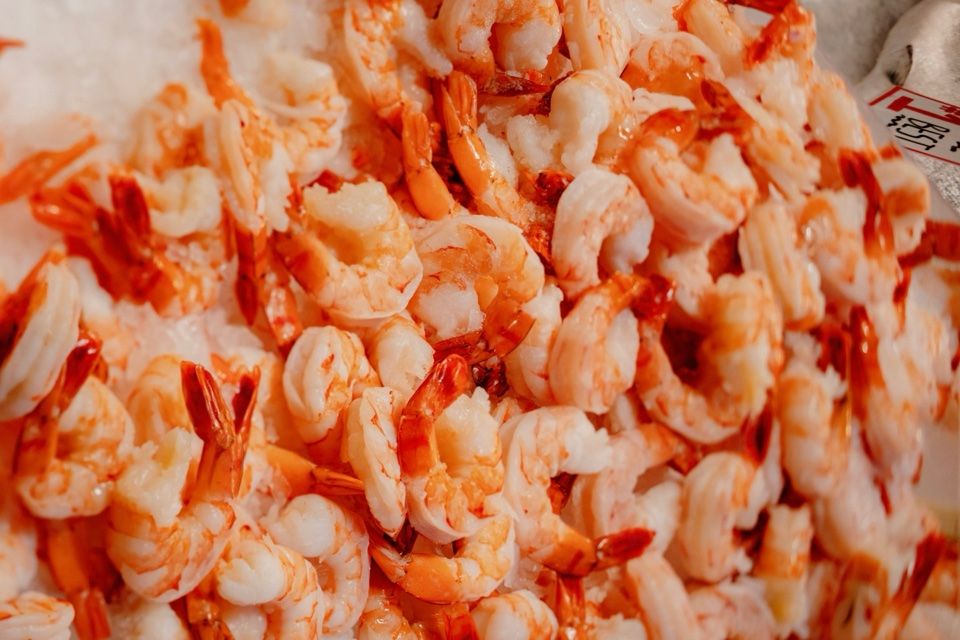
Prawns turn up at barbecues, seafood platters and takeaway nights, which is usually when a dog first gets close enough to try one. So, can dogs eat prawns? Yes. A fully cooked, peeled, plain prawn is a lean, protein-rich treat for most healthy dogs in small amounts.
The catch is what comes with it: the shell, the salt, the garlic butter and the crackers.
RELATED: Can Dogs Eat Corn? Kernels, Not Cobs
Are Prawns Safe for Dogs?
Prawns are safe for most dogs when they are cooked through, peeled, deveined and served plain. They are not toxic. The risks come from preparation: raw prawns can carry bacteria, shells and tails are hard to digest, shop-bought prawns are often salty, and dishes made with garlic, butter or oil can upset a dog's stomach or worse.
Prawns are a staple of a summer Christmas, and this guide to Christmas foods for dogs covers the rest of the seafood platter.
Cooked Prawns vs Raw Prawns for Dogs
Always cooked, never raw. Raw shellfish can carry Salmonella, Vibrio and Listeria, along with parasites that thorough cooking destroys. A cooked prawn is pink and opaque all the way through and firm to the touch. If it still looks gray or glassy in the middle, it needs longer. Plain, unsalted ready-cooked prawns from the shop are fine.
Dogs Who Should Skip Prawns
Dogs with a history of pancreatitis, heart or kidney disease, or a known shellfish sensitivity are better off without them. Dogs on a prescription diet or an elimination trial should have nothing extra at all.
A dog whose digestion is easily upset may do better with one of these dog foods for a sensitive stomach than with new treats.
Are Prawns Good for Dogs? Protein, B12 and Minerals
In small amounts, yes. Prawns are mostly protein and water with very little fat. They earn a mention alongside these superfoods for dogs, as an occasional extra rather than a staple.
Prawn Nutrition at a Glance
- Protein: about 23 grams per 100 grams of cooked prawn, for muscle maintenance and repair.
- Calories: roughly 6 to 7 per large cooked prawn.
- Vitamin B12: supports the nervous system and healthy blood cells.
- Phosphorus and selenium: phosphorus works with calcium for bones and teeth, and selenium is an antioxidant mineral.
- Fat: under 2 grams per 100 grams when cooked plain.
That low fat count is the real advantage. A prawn is far leaner than cheese for dogs, a common training favorite.
It is leaner still than bacon, even the small amount baked into these bacon dog treats.
The Cholesterol Question, in Perspective
Prawns are high in cholesterol, and that worries many owners. Dogs, however, carry cholesterol in their blood differently from people and rarely develop the artery disease it is linked to in humans. For a healthy dog, the cholesterol in an occasional prawn is not the concern. The fat a prawn is cooked in, and the salt it is stored in, matter far more.
Risks of Feeding Prawns to Dogs
Hidden Salt in Shop-Bought Prawns
Plain prawns are only modestly salty. The problem is processing: many frozen and pre-cooked prawns are treated with salt solutions to keep them plump, which can push the sodium up to several times that of an untreated prawn. Prawns sold in brine are saltier again. Check the label, choose prawns with no added salt, and skip anything brined, cured or marinated.
Salty, cured foods are a theme with dogs, and the same reasoning makes ham a poor choice for dogs.
Garlic Prawns, Butter and Other Prawn Dishes
Garlic prawns are a firm no. Garlic belongs to the same plant family as onion, and onion and garlic are toxic to dogs whether fresh, cooked or powdered. Prawns cooked in butter or oil, fried, battered or tempura-style bring a rush of fat that can cause vomiting and, in some dogs, pancreatitis. Curries, stir-fries, paella and prawn cocktail sauce usually contain onion, garlic or both.
Prawn Shells, Heads and Tails
Shells, heads, legs and tails are hard and sharp-edged, difficult to digest, and a choking risk for small dogs. A large amount can irritate the gut or, rarely, cause a blockage. Peel every prawn completely, and keep discarded shells in a lidded bin.
How to Prepare Prawns for Your Dog
- Choose raw or cooked prawns with no added salt, seasoning or brine.
- Remove the head, legs, shell and tail.
- Devein each prawn by lifting out the dark line along the back.
- Boil, steam or bake until pink and opaque, with no oil, butter, salt or spices.
- Let it cool, then cut it into pieces sized for your dog.
- Offer a small piece the first time and wait a day before offering more.
Frozen Prawns and King Prawns
Frozen prawns are fine once fully thawed and cooked, but never hand over a prawn that is still frozen, since a hard lump is a choking risk. King prawns follow the same rules. They are simply bigger, so chop them well and count one king prawn as roughly two regular ones.
How Many Prawns Can a Dog Have?
Treats of every kind should stay under about 10 percent of a dog's daily calories. Prawns are light, so salt and richness set the limit more than calories do. Once or twice a week is plenty.
- Toy (under 10 lb): a quarter to half a prawn, finely chopped.
- Small (10 to 25 lb): half to one prawn.
- Medium (25 to 50 lb): one to two prawns.
- Large (over 50 lb): two to three prawns.
Prawns for Puppies
Can puppies eat prawns? Yes, in tiny amounts once they are weaned onto solid food, though there is no need to rush. Puppy food should supply nearly all of a puppy's nutrition, so wait until the tummy is settled on its regular diet, then offer one small, plain, cooked piece and watch for loose stools.
Prawns as a High-Value Dog Treat
Most dogs adore the smell of prawns, which makes small pieces useful for hard training moments such as recall or nail trims. They do not travel well in a pocket, though, so for everyday rewards these dog treats matched to the job are easier to carry.
Prawn Crackers, Chips and Prawn Cocktail Crisps
A plain prawn is lean protein. A prawn snack is mostly starch, oil and salt with a trace of prawn.
Why Prawn Crackers Are a Skip
Dogs should not have prawn crackers. They are made from tapioca or wheat starch, deep fried, and salted, with flavor enhancers and sometimes garlic or onion powder in the mix. One dropped cracker will not harm a healthy dog, but a handful brings fat that can upset the stomach and salt that leaves a dog very thirsty.
Prawn Chips, Prawn Cocktail Crisps and Prawn Toast
Prawn chips are simply prawn crackers under another name. Prawn cocktail crisps are potato chips with a seasoning that is often built on sugar, salt and onion powder, so check the bag if a dog helps itself. Prawn toast is fried bread with seasoned prawn paste, usually made with garlic and spring onion, and is best kept on the human plate.
Shellfish Allergy Signs in Dogs
Shellfish allergies are uncommon in dogs. Most food allergies are reactions to everyday proteins such as beef, chicken, dairy and egg, but any protein can trigger one, prawns included. Signs to watch for after a first taste:
- Itchy skin, paws or ears, or scratching that will not settle.
- Vomiting, diarrhea or gas.
- Hives or swelling around the face.
- Trouble breathing or collapse, which is an emergency.
Stop the prawns and call your vet if any of these appear. Dogs who react to one shellfish may react to others, such as crab and lobster. For dogs with confirmed reactions, these dog foods for allergies explain how vets choose a safe protein.
Other Seafood Dogs Can Eat
- Salmon and sardines: cooked salmon, or sardines packed in water, bring omega-3 fats, and oily fish for dogs is a favorite for joints and coat.
- White fish: plain cooked cod or haddock is gentle and low in fat. Check carefully for bones.
- Green-lipped mussels: often sold air-dried for dogs and popular for joint support.
My Dog Ate Raw Prawns or Shells: What to Do
One raw prawn or a few swallowed shells rarely cause a crisis in a healthy adult dog. Keep fresh water available and watch over the next 24 to 48 hours for vomiting, diarrhea, low energy or a sore belly. These home remedies for dog diarrhea cover gentle care for a mild upset.
Call your vet if any of those signs appear, if your dog is very small, very young or elderly, or if they ate a large pile of shells, garlic prawns or a bag of salty snacks. Too much salt usually causes vomiting within a few hours and can progress to weakness and tremors. Do not try to make your dog vomit unless your vet tells you to. Keeping the vet's and poison line's numbers in a dog first aid kit saves time when it matters.
Sharing Prawns With Your Dog
Cooked, peeled, deveined and plain covers nearly everything. Keep the portion small, keep shells and sauces away, and save the crackers for the humans.
Sources
- Merck Veterinary Manual. Salt Toxicosis in Animals.
- VCA Animal Hospitals. Food Allergies in Dogs.
- USDA FoodData Central. Crustaceans, shrimp, mixed species, cooked, moist heat (SR Legacy 15151).
Related Reading


Share a thought, ask a question, or tell us about your own dog. We read every comment.