


Can Dogs Eat Corn? Kernels, Not Cobs
 Health & Wellbeing
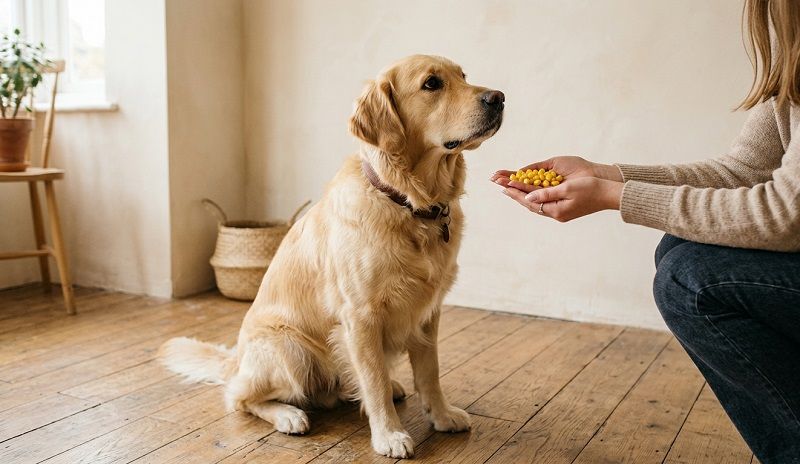
Corn is really two foods as far as a dog is concerned. The kernels are a safe, starchy treat that already appears in plenty of dog food. The cob they grow on is among the objects vets most often have to remove from a dog's gut. So can dogs eat corn? Yes, when it is plain, cooked, cut off the cob, and served in small amounts.
Portions by size, cob emergencies, popcorn, and canned corn are all covered below.
Is Corn Safe for Dogs?
Plain corn kernels are safe for dogs. Corn is not toxic, and cooked kernels cut from the cob are easy for most dogs to digest in small amounts. Serve them without butter, salt, or oil, and keep all treats within 10 percent of daily calories. Never give a dog the cob, husk, or silk, which can block the intestines.
Seasoning matters as much as the corn itself. Garlic and onion are toxic to dogs, and both turn up in corn seasonings, flavored butters, and spice rubs.
Which Parts of Corn Dogs Can Eat
Only the kernels. The cob is indigestible and dangerous at any size. Husks and silk are not poisonous, but they are stringy plant fiber a dog cannot break down, and a wad of either can cause the same kind of blockage. Shuck the corn fully and throw the trimmings away before sharing.
Dogs That Should Skip Corn
Corn is starchy, so it raises blood sugar more than watery vegetables do. Dogs with diabetes should only have it with a vet's approval, and dogs on a weight plan are better served by a measured diet such as these dog foods for weight loss than by extra carbs.
Dogs on a prescription or elimination diet should skip it too. A dog whose digestion is easily upset may need one of these dog foods for a sensitive stomach before any new treat is added.
Why Dogs Can't Eat Corn on the Cob

A corn cob does not soften or break down in a dog's gut. Swallowed whole or in chunks, it can lodge in the stomach or small intestine and cut off the blood supply to the bowel, which is why a blockage is treated as an emergency. Large dogs are not exempt, and a gnawed cob is a choking risk too. A cob is never a chew, so offer one of these sturdy dog toys instead.
Signs of a Corn Cob Blockage in Dogs
Signs often appear within one to three days, though a cob can sit in the stomach for longer before it moves and sticks. Watch for:
- Repeated vomiting or retching
- Refusing food
- Lethargy or restlessness
- A painful, tight, or swollen belly
- Diarrhea, straining, or passing very little stool
What to Do If Your Dog Ate a Corn Cob
Call your vet or an emergency clinic right away, even if your dog seems fine, and say how much was eaten and when. Do not try to make your dog vomit at home, and do not wait to see whether the cob passes. While it is still in the stomach, a vet may be able to bring it back up safely or remove it with an endoscope. Once it reaches the intestine, surgery is usually needed, and the outlook is best when treatment is quick.
Keeping Corn Cobs Away From Dogs
Most cob emergencies start with a trash raid. Put cobs straight into a lidded trash can, fence off the compost, and ask guests at cookouts not to hand over leftovers. Keeping the emergency vet's number with a dog first aid kit saves time if a cob does disappear.
Is Corn Good for Dogs?
In small amounts, yes, though corn is not a diet food. Boiled kernels have about 96 calories per 100 grams, roughly three times as many as green beans for dogs.
For a dog that needs to slim down, watery vegetables such as cucumber for dogs make the better everyday reward.
Corn Nutrition for Dogs
- Fiber: about 2 grams per 100 grams, which supports regular digestion.
- Linoleic acid: an omega-6 fat dogs must get from food, used for healthy skin and coat.
- Lutein and zeaxanthin: the antioxidant pigments that make corn yellow.
- B vitamins, magnesium, and potassium: present in modest amounts.
A tablespoon holds only a little of each, so corn is a treat, not a supplement.
Is Corn in Dog Food Just a Filler?
No. Whole kernels and the ground corn in kibble behave differently. Once corn is ground and cooked, dogs digest more than 90 percent of its starch, and it supplies energy, protein, and linoleic acid. The overall recipe matters more than any single ingredient, as this guide to choosing healthy dog food explains.
Corn Allergy in Dogs
Corn allergies exist but are uncommon. In a review of dogs with confirmed food allergies, corn accounted for about 4 percent of cases, far behind beef, dairy, chicken, and wheat. Itchy skin, repeated ear infections, or ongoing tummy upset are worth raising with your vet, and these dog foods for allergies show what a limited-ingredient diet looks like.

How Much Corn Can a Dog Eat?
Treats of every kind should stay under about 10 percent of a dog's daily calories. A tablespoon of cooked kernels has roughly 10 calories, so the amounts below leave plenty of room. Two or three times a week is enough.
Corn Portions by Dog Size
| Dog size | Cooked kernels per serving |
|---|---|
| Under 20 lb (9 kg) | 1 to 2 teaspoons |
| 20 to 30 lb (9 to 14 kg) | 1 tablespoon |
| 30 to 50 lb (14 to 23 kg) | 1 to 2 tablespoons |
| 50 to 90 lb (23 to 41 kg) | 2 to 3 tablespoons |
| Over 90 lb (41 kg) | Up to a quarter cup |
Start with a few kernels the first time and watch for any change over the next day.
When a Dog Eats Too Much Corn
A big helping of kernels usually means gas, a rumbling tummy, or loose stools. Offer water, skip treats for a day, and try these home remedies for dog diarrhea for a mild upset. If any cob went down with the kernels, call your vet instead.
How to Feed Corn to Dogs
Cooked, Raw, and Frozen Corn Kernels
Boiled, steamed, or grilled corn is fine once it is cut from the cob and served with no toppings. Raw kernels are not toxic, but they are harder to digest. Frozen kernels are usually just corn, and a few thawed pieces make an easy treat.
Canned Corn for Dogs
Regular canned corn has around 200 milligrams of sodium per 100 grams, compared with almost none in fresh boiled corn. A few salted kernels will not poison a dog, but the extra sodium is unnecessary. Choose a can with no salt added, drain it, and rinse the kernels. Skip creamed corn, which adds dairy, sugar, and salt.
Easy Ways to Serve Corn
- Food topper: scatter a spoonful over a regular meal.
- Training reward: hand over single kernels, counted as part of the day's portion.
- Frozen cubes: freeze a few kernels in water or an onion-free, unsalted broth, or try these frozen dog treat recipes.
- Baked treats: for more kitchen ideas, browse these homemade dog treat recipes.
Can Puppies Eat Corn?
Yes, in tiny amounts. Once a puppy is weaned and eating solid puppy food, a few plain cooked kernels are fine as an occasional taste. Puppy food should supply nearly all the calories, so keep it to a few kernels and mash them for very small pups. Puppies are also the keenest trash raiders, which makes cob-proofing the kitchen part of puppy proofing your home.
Popcorn and Other Corn Foods for Dogs
Can Dogs Eat Popcorn?
Plain, air-popped popcorn is safe in small amounts, and a few fully popped pieces are enough. Remove unpopped and half-popped kernels, which can crack teeth or lodge in the throat. Skip buttered, salted, microwave, caramel, and kettle corn.
Cornbread, Corn Tortillas, and Corn Chips
A small piece of plain cornbread or plain corn tortilla will not hurt, though neither is much of a treat, and this guide to bread for dogs covers the add-ins to watch for. Corn chips and tortilla chips are fried, salty, and often dusted with onion or garlic powder.
Corn Dogs, Street Corn, and Baby Corn
Corn dogs are battered, fried, and built around processed sausage, with the same salt and fat problems that make salami a poor choice for dogs. Mexican street corn adds mayonnaise, cheese, and chili. Baby corn is different: it is picked before the cob hardens, so plain, chopped baby corn is fine, while canned and stir-fried versions are usually salty or seasoned.
Candy Corn and Corn Syrup
Candy corn is sugar and corn syrup with no real corn in it, and sugar-free candy may contain xylitol, which is toxic to dogs. Keep the Halloween bowl out of reach.
Corn Safety Chart for Dogs
| Corn food | Safe for dogs? | What to know |
|---|---|---|
| Plain cooked kernels | Yes, in small amounts | Off the cob, no toppings |
| Canned corn | With care | No salt added, rinsed |
| Corn on the cob | Never | Blockage and choking risk |
| Husks and silk | No | Indigestible, can block |
| Plain air-popped popcorn | A few pieces | No unpopped kernels |
| Buttered or kettle corn | No | Fat, salt, and sugar |
| Plain cornbread or tortilla | A small piece | Empty calories |
| Corn chips | No | Fried, salty, seasoned |
| Creamed corn | No | Dairy, sugar, and salt |
| Corn dogs | No | Processed, fried, on a stick |
| Plain baby corn | Yes, chopped | Skip canned or seasoned |
| Candy corn | No | Sugar; xylitol risk |
FAQ
Frequently asked questions
1Why do whole corn kernels appear in a dog's poop?
Dogs tend to swallow kernels without chewing, and the thin outer skin of each kernel resists digestion. The inside may be digested while the hull passes through looking intact. It is normal and harmless. Mashing or chopping the kernels helps, and ongoing loose stools are a sign to cut back.
2Can dogs have sweet corn every day?
A healthy dog can, in the small portions given in the size chart, but there is little reason to. Sweet corn is starchier and higher in calories than most vegetables, so two or three times a week keeps treats varied and weight steady. Dogs with diabetes or weight concerns need a vet's approval first.
3How long after eating a corn cob will a dog get sick?
Often within 24 to 72 hours, but not always. A piece of cob can sit in the stomach for days before moving into the intestine and causing a blockage. Because the timing is unpredictable, call your vet as soon as you know a cob was eaten, without waiting for symptoms to appear.
4Can dogs eat grilled corn from a barbecue?
Only kernels cut off the cob, and only if the corn was grilled plain. Most barbecue corn is brushed with butter, salt, or a spice rub that may include garlic or onion powder, so set a plain ear aside before seasoning the rest. Collect every cob afterward, since dropped cobs are what dogs go looking for.
5Is the corn plant toxic to dogs?
The vegetable is not, but the name causes confusion. "Corn plant" is also the common name for Dracaena fragrans, a popular houseplant that is toxic to dogs and can cause vomiting, drooling, and loss of appetite. Sweet corn is a different species entirely. If your dog chews a Dracaena, call your vet.
Corn as an Occasional Dog Treat
Plain kernels, small portions, and no cob cover nearly everything. For rewards with more protein and less starch, this roundup of the best dog treats is a good next stop.
The Merck Veterinary Manual explains how vets treat gastrointestinal obstruction in dogs.
Related Reading


Share a thought, ask a question, or tell us about your own dog. We read every comment.