


Healthy Food for Dogs, Explained Label by Label
 Dog Nutrition & Diet

Pet food packaging is written for people, not dogs. Bags promise ancestral recipes, superfood blends and grain-free purity, yet none of those words tells you whether what is inside is truly healthy food for dogs. The real answers sit in a few lines of small print: the nutritional adequacy statement, the first ingredients, the fat sources and the calorie count.
This guide walks through that small print one line at a time, then covers the kitchen foods worth sharing, the fats behind a glossy coat, how dry, wet, fresh and raw diets compare, and how to tell from your own dog whether a food is working. Feeding well is one of the quieter, everyday parts of responsible dog ownership.
What Dogs Need From a Complete and Balanced Diet
A healthy diet for a dog is one that is complete and balanced for their life stage, meaning it supplies every essential nutrient in the right proportions, so nothing needs adding. Dogs are omnivores and thrive on a mix of animal protein, fat, digestible carbohydrates, vitamins and minerals.
The Six Nutrient Groups in Dog Food
- Protein: amino acids for muscle, skin, coat and immune function, ideally from named animal sources such as chicken, beef, lamb or fish.
- Fat: concentrated energy plus the essential fatty acids behind healthy skin and a shiny coat.
- Carbohydrates: digestible energy and fiber for gut health, from ingredients such as oats, brown rice, barley and sweet potato.
- Vitamins: A, D, E and the B group keep vision, bones and metabolism running smoothly.
- Minerals: calcium and phosphorus for bones, zinc and iron for skin and blood.
- Water: the nutrient owners forget. A clean, full bowl should always be within reach.
Sweet potato is a favorite for good reason, and it bakes beautifully into these sweet potato pretzel treats too.
Puppy, Adult and Senior Dog Food Needs
Puppies grow fast and need more protein, fat and calories per pound than adults. Large-breed puppies also need carefully controlled calcium, because too much can disturb how their bones and joints develop. Adult dogs need a stable diet that holds them at a lean, healthy weight.
Senior dogs often do better with fewer calories, easily digested protein and some joint support. Feeding the food formulated for your dog's stage matters as much as the ingredient list itself.
Kitchen Foods That Are Good for Dogs
Fresh foods make lovely toppers alongside a complete diet, as long as extras, from kitchen scraps to homemade dog treats, stay under about 10% of daily calories, so the main bowl keeps doing the nutritional work. Serve everything plain, cooked where needed, and free of salt, butter, onion and garlic.
Lean Proteins and Eggs for Dogs
Cooked skinless chicken, turkey and lean beef are reliable, well-tolerated proteins. Cooked salmon and sardines add omega-3 fatty acids for skin and coat.
Cooked eggs are a complete protein and one of the gentlest foods to offer a dog with a wobbly tummy.
That gentleness is why egg and plain white fish turn up so often in dog foods for sensitive stomachs.
Seafood such as cooked, peeled prawns can be an occasional extra, served plain and in small amounts.
Vegetables Dogs Can Eat
Carrots are a crunchy, low-calorie snack most dogs adore. Green beans, zucchini and small amounts of broccoli are safe options as well.
Plain cooked pumpkin adds fiber and is often suggested by vets for mild digestive upsets. Check that the can says pure pumpkin, not spiced pie filling.
Fruits That Make Good Dog Treats
Blueberries are small, low in calories and full of antioxidants, which makes them ideal training rewards.
They also feature in this round-up of superfoods for dogs, alongside salmon and leafy greens.
Strawberries bring vitamin C and fiber but are a little sweeter, so a few slices is plenty.
Seedless watermelon without the rind is hydrating and a favorite on warm days.
Thin slices of apple are a crunchy treat once the core and seeds are removed.
For portions by size and the full list of safe options, see this guide to fruits dogs can eat.
Toxic Foods to Keep Off the Plate
Grapes, raisins and currants can cause sudden kidney failure, and chocolate, macadamia nuts and xylitol (a sweetener in some peanut butters and sugar-free snacks) are all dangerous. How much chocolate is too much depends on the type and your dog’s size, and this chocolate toxicity calculator for dogs works it out. Check every nut butter label before sharing.
Onions and garlic damage red blood cells even in small amounts, whether raw, cooked or powdered, as this guide on dogs and onions explains.
How to Read a Dog Food Label
The most important factors when comparing dog foods are the nutritional adequacy statement, which confirms the food is complete and balanced for your dog's life stage; a named animal protein near the top of the ingredient list; named fat sources; and the calorie content per cup or can. Who formulates and tests the food matters far more than words like natural, holistic or premium, which have little or no official meaning.
The Nutritional Adequacy Statement
On North American bags, this short line references AAFCO nutrient profiles and tells you who the food is for: growth (puppies), adult maintenance, or all life stages. An all life stages food must also say whether it suits the growth of large-size dogs, those expected to reach 70 pounds or more.
If a label says the food is for intermittent or supplemental feeding only, it is a topper or treat, not a meal. A statement based on feeding trials means the food was actually fed to dogs; "formulated to meet" means it was designed on paper to hit the targets.
Named Proteins and Meat Meals in Dog Food
Ingredients are listed by weight, so look for a specific animal protein at or near the top: chicken, salmon, lamb, turkey or beef. "Chicken meal" or "lamb meal" is a good sign rather than a bad one, since meal is simply meat with the water removed, a concentrated protein source. Vague terms such as "meat meal" or "animal protein" leave you guessing about the species.
Guaranteed Analysis and Calories
The guaranteed analysis lists minimum protein and fat and maximum fiber and moisture, all on an as-fed basis. Because wet food is mostly water, compare formats on a dry matter basis: divide the protein figure by the percentage of the food that is not water. A wet food with 10% protein and 78% moisture is about 45% protein once the water is gone, far higher than it first looks.
For reference, AAFCO minimums are 18% protein and 5.5% fat on a dry matter basis for adult maintenance, and 22.5% protein and 8.5% fat for growth. Then check the calorie statement, usually given per cup or can, because two foods with similar ingredients can differ widely in energy.
Questions to Ask a Dog Food Brand
The healthiest dog food brands are the ones that can answer hard questions, not the ones with the prettiest bags. The WSAVA Global Nutrition Committee suggests asking:
- Does the company employ a qualified nutritionist (a PhD in animal nutrition or a board-certified veterinary nutritionist)?
- Who formulates the diets, and what are their credentials?
- What quality control checks are run on ingredients and finished food?
- Is the food tested by feeding trials or chemical analysis, and has the company published research?
- Can they tell you the calories per cup or can, and do they answer questions by phone or email?
A brand that answers these clearly is a good starting point, and these dry dog foods for every age and size make a useful shortlist to put through the same test.

Healthy Fats for Dogs: Omega-3, Omega-6 and the Best Sources
Dogs need fat. It carries more than twice the energy of protein or carbohydrate per gram, helps absorb vitamins A, D, E and K, and supplies essential fatty acids the body cannot make on its own.
Why Dogs Need Fat in Their Diet
Linoleic acid, an omega-6 fat, is essential for dogs, and a shortfall tends to show up as a dry, dull, flaky coat. Omega-3 fats, particularly EPA and DHA, support skin, brain and eye development in puppies and help calm inflammation, which is why they appear in many skin and joint formulas.
Good Fats for Dogs on an Ingredient List
- Fish oil, salmon oil and anchovy or sardine oil: the most direct sources of EPA and DHA.
- Chicken fat and sunflower oil: rich in linoleic acid for skin and coat.
- Flaxseed: provides ALA, a plant omega-3, but dogs convert very little of it into EPA and DHA, so fish-based oils do more of the heavy lifting.
A named fat source is a mark of transparency, while generic "animal fat" tells you little. Fats also go rancid once exposed to air, heat and light, so keep the bag sealed, store it somewhere cool, and trust your nose if a food starts to smell stale.
Fish Oil and High-Fat Foods: When to Check With Your Vet
A complete diet already contains the fat a healthy dog needs, so extra fish oil is best added on veterinary advice. Too much can cause loose stools and fishy breath, and very high doses can affect blood clotting. Dogs with a history of pancreatitis often need a low-fat diet, and fatty table scraps such as bacon or meat trimmings are never a healthy fat.
Dog Food Ingredients Worth Questioning
Unnamed Proteins and By-Products
By-products are not automatically bad: organ meats such as liver are highly nutritious. The concern is vagueness. "Poultry by-products" or "meat and bone meal" do not tell you which animal or which parts, while a named source such as "chicken liver" does.
Artificial Colors, Sugars and Fillers
Your dog does not care what color their kibble is; bright red and green pieces are designed to appeal to people. Added sugars, corn syrup and long lists of cheap fillers add calories without much nutrition. Propylene glycol, used to keep semi-moist foods soft, is permitted in dog food but banned in cat food, one more reason to keep chewy semi-moist products occasional.
Synthetic Preservatives in Dog Food
BHA, BHT and ethoxyquin are permitted within set limits, but many quality brands now preserve fats with mixed tocopherols (vitamin E), vitamin C or rosemary extract instead. Choosing naturally preserved food is a reasonable preference; just note that it can shorten shelf life, so check the best-before date and buy a bag size your dog will finish within about six weeks of opening.
Dry, Wet, Fresh or Raw Dog Food: Comparing Formats
No single format is healthiest for every dog; age, health, appetite and budget all play a part.
Dry Dog Food (Kibble)
Kibble is affordable, easy to store and simple to portion, which is why it remains the most popular choice. It is also calorie-dense, so measuring with a proper cup or kitchen scale matters. Plain kibble offers only modest dental benefit; for a real dental claim, look for the VOHC seal.
Wet Dog Food and Low-Calorie Options
Wet food is roughly 75 to 80% water, so it supports hydration and tempts seniors and picky eaters. It costs more per serving and must be refrigerated once opened.
For weight control, wet food helps because the moisture adds volume without calories. Under AAFCO rules, a canned food labeled light, lite or low calorie must contain no more than 900 kcal per kilogram (3,100 for dry), while "reduced calorie" only means fewer calories than a named comparison product. Always compare the calories per can.
Fresh Cooked Dog Food
Gently cooked, refrigerated or frozen meals made with recognizable ingredients are highly palatable and popular with older dogs, as this look at fresh cooked food for senior dogs explores. They are the priciest format and still need a complete and balanced statement, so read the label just as closely.
Raw Dog Food: Benefits and Risks
FDA testing has repeatedly found Salmonella and Listeria in raw pet foods, which can sicken dogs and the people who handle their bowls. Raw feeding is not advised for puppies, immunocompromised dogs, or homes with young children, older adults or anyone with a weakened immune system.
If you choose raw, pick a commercial complete and balanced product, follow strict kitchen hygiene, and read this raw dog food diet guide first.

Mixing Kibble With Wet Food or Toppers
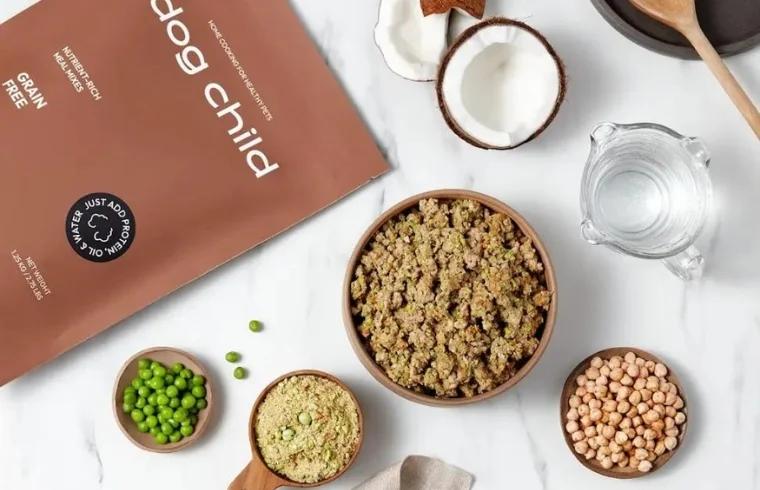
Many owners combine formats: kibble as the base with a spoonful of wet food or a fresh topper for flavor and moisture. Powdered dog food toppers work the same way. Count toppers inside the 10% extras allowance and reduce the base portion so calories stay steady.
Grain-Free Dog Food and Heart Health
Despite the marketing, for most dogs grains such as brown rice, oats and barley are nutritious, digestible sources of energy and fiber.
Grains, Allergies and Common Food Triggers
True food allergies are less common than many owners assume, and grains are not the usual culprit. In a review of published cases, beef was the most frequently reported trigger in dogs, at about a third of cases, followed by dairy, chicken and wheat.
If your vet confirms a wheat sensitivity, these grain-free dog treat recipes make it easy to bake safe rewards at home.
What the FDA Investigation Found
The FDA has investigated reports of dilated cardiomyopathy (DCM), a serious heart condition, in dogs eating diets with peas, lentils, other legumes or potatoes high on the ingredient list, many of them grain-free. The agency has not established that these diets cause DCM and has said it will update again only when there is meaningful new science. Until then, choose grain-free food for a specific veterinary reason, and see your vet promptly if your dog develops coughing, tiring easily or fainting.
Choosing the Right Dog Food for Your Dog's Needs
Best Dog Food for Beginners: A First-Bag Checklist
- Choose a food labeled complete and balanced for your dog's life stage, and for large-breed growth if you have a big puppy.
- Look for a named animal protein near the top of the list and a named fat source.
- Keep feeding whatever the shelter or breeder used for the first week or two, then transition slowly.
- Buy a small bag first to check your dog likes it and digests it well.
- Use the feeding guide as a starting point, then adjust to your dog's body shape.
Joint-Support Dog Food
Keeping a dog lean is the single most effective way to protect their joints. Among added ingredients, omega-3s from fish oil have the strongest evidence for easing stiffness; glucosamine and chondroitin are common in joint formulas, but research results are mixed. Dogs with diagnosed arthritis may benefit from a veterinary therapeutic joint diet.
Weight Management and Treat Calories
Extra weight shortens lives and strains joints, and it creeps on through generous scoops and untracked treats, as this look at pet obesity shows.
Underweight dogs need the opposite approach: more calorie-dense food, often higher in fat, as in these foods for dog weight gain.
Dog Food for Allergies and Itchy Skin
When itching or ear infections point to a food reaction, your vet may suggest an elimination trial with a novel or hydrolyzed protein for eight weeks or more. These dog foods for allergies show the types of diets used.
Signs Your Dog's Food Is Working
Stool Quality and Digestion
Firm, consistent, easy-to-pick-up stools mean a food is being digested well. Persistent loose stools, large volumes or a strong odor suggest something is not agreeing with them, and these dog diarrhea home remedies cover when to wait and when to call the vet.
Skin and Coat Condition
A well-fed dog has a soft, shiny coat and supple skin. Dandruff, dullness or constant scratching can point to a gap in fatty acids or a food sensitivity, and these remedies for dog itchy skin offer gentle first steps.
Body Condition, Energy and Mealtime Habits
You should be able to feel your dog's ribs easily without seeing them, with a visible waist from above. A dog eating well is bright, alert and keen on walks; ongoing lethargy or sudden weight change is worth a vet visit.
If your dog inhales dinner in seconds, a treat-dispensing toy can slow things down, and this guide to choosing a dog toy covers the puzzle options.
How to Switch Dog Food Without an Upset Stomach
A Seven to Ten Day Food Transition
A sudden switch can upset digestion, even to a better food. Mix the new food in gradually:
- Days 1 to 2: about 25% new food, 75% old.
- Days 3 to 4: half and half.
- Days 5 to 6: about 75% new food.
- Day 7 onward: all new food.
Dogs with sensitive stomachs may need ten days or longer. If stools soften, hold at the current ratio for a few days before moving on.
So what is the healthiest food for dogs? It is whichever complete and balanced diet suits your dog's life stage and health, comes from a company that can back up its claims, and keeps your particular dog lean, bright-eyed and glossy. Read the label, watch your dog, and adjust when something is not working.
Sources
- WSAVA Global Nutrition Committee: Guidelines on Selecting Pet Foods
- FDA: Investigation into Potential Link Between Certain Diets and Canine Dilated Cardiomyopathy
- Mueller, Olivry and Prelaud: Common Food Allergen Sources in Dogs and Cats, BMC Veterinary Research
Related Reading


Share a thought, ask a question, or tell us about your own dog. We read every comment.