


Can Dogs Eat Pumpkin? Yes, Minus the Pie
 Dog Nutrition & Diet
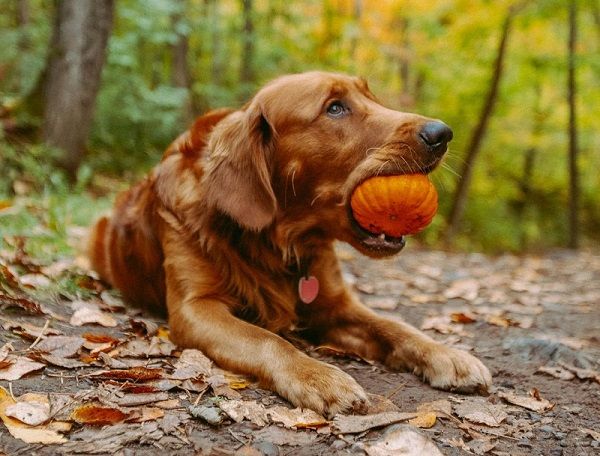
The two cans sit side by side in the baking aisle, nearly identical, and only one belongs anywhere near a dog bowl. So, can dogs eat pumpkin? Yes. Plain cooked pumpkin and pure canned pumpkin are safe for most dogs in small amounts, and plenty of dogs treat a spoonful like a small celebration.
The details matter: which parts are fine, how much fiber is too much, and why spiced versions stay on the human side. It earns a place among these superfoods for dogs, though it works best as a supporting player rather than a cure-all.
Is Pumpkin Good for Dogs? Nutrition and Real Benefits
Pumpkin is good for dogs when it is plain, cooked, and served in small portions. It is low in calories, high in water and fiber, and supplies beta-carotene, vitamin C, and potassium. Plain canned pumpkin works well as a treat or food topper, while pie filling, seasoned pumpkin, rind, and stems should be avoided.
Fiber and Dog Digestion
Pumpkin holds a mix of soluble fiber, which absorbs water and can firm up loose stool, and insoluble fiber, which adds bulk that keeps things moving. That is why a spoonful shows up so often in advice for mild tummy troubles, alongside the bland diet in this guide to dog diarrhea home remedies.
A Light Pumpkin Treat for Weight Management
Plain canned pumpkin has roughly 83 calories per cup, or about 5 calories per tablespoon. Stirred into a reduced meal, it adds volume without much energy, helping a hungry dog feel full. Weight loss still needs a vet-guided plan, and this look at pet obesity and the fat pet gap explains why a few extra pounds matter.
Vitamins and Minerals in Pumpkin
The orange flesh is rich in beta-carotene, which the body converts to vitamin A, plus vitamin C, potassium, and a little iron. Botanically, pumpkin is a fruit, and it sits comfortably beside the options in this dog-safe fruit list. A dog on a complete and balanced food already gets these nutrients, so pumpkin is a bonus, not a necessity.
What Pumpkin Fiber Cannot Fix
Tufts University veterinary nutritionists note that a typical serving holds modest fiber. Matching a high-fiber therapeutic diet would take close to 12 cups of pumpkin a day for a medium-sized dog. In plain terms, pumpkin can nudge mild, short-lived stool changes but cannot treat ongoing diarrhea or constipation. Diarrhea past 48 hours, blood in the stool, repeated vomiting, or straining without results all need a vet.
Canned Pumpkin vs Fresh Pumpkin Puree

Reading the Canned Pumpkin Label
Plain canned pumpkin is the easiest option. The ingredient list should say pumpkin and nothing else. Pie filling, often shelved right beside it, adds sugar and spices, and some plain brands add salt: unsalted canned pumpkin carries about 12 milligrams of sodium per cup, while salted versions can reach nearly 600, a real concern for dogs with heart or kidney disease. Anything labeled sugar-free deserves a second look, since xylitol can cause a dangerous drop in blood sugar in dogs.
How to Cook Fresh Pumpkin for Dogs
Small sugar pumpkins have sweeter, denser flesh than carving pumpkins. Peel, scoop out the seeds and pulp, cube the flesh, and steam, boil, or roast it until soft, with no oil, butter, salt, or spices. Mash once cool. Puree keeps about three days in the fridge, freezes well in ice cube trays, and can be dried into these homemade pumpkin chew sticks.
A batch also works beautifully in these no bake pumpkin Halloween treats.
Is Raw Pumpkin Safe for Dogs?
Raw pumpkin is not toxic, but it is bitter, hard to digest, and firm chunks can choke a small dog. A stolen nibble during carving rarely causes more than mild upset, but cooked is better.
How Much Pumpkin to Give a Dog
All treats, pumpkin included, should stay under 10% of daily calories. Start with half these amounts for a few days.
Pumpkin Serving Size by Dog Weight
- Toy and small dogs, under 20 lb (9 kg): 1 to 2 teaspoons a day
- Medium dogs, 20 to 50 lb (9 to 23 kg): about 1 tablespoon a day
- Large dogs, 50 to 90 lb (23 to 41 kg): 1 to 2 tablespoons a day
- Giant dogs, over 90 lb (41 kg): 2 to 3 tablespoons a day

Signs of Too Much Fiber
Too much pumpkin can cause gas, bloating, loose stool, or even constipation, and can crowd out a dog's regular food. If stools soften, scale back or pause for a few days.
Pumpkin Seeds for Dogs
Pumpkin seeds are not toxic and contain protein, zinc, and magnesium, but they are far richer in fat than the flesh, and the tough shells are hard to break down. Like the seeds in this guide to sesame seeds for dogs, they work as a garnish rather than a snack.
Raw, Roasted and Shelled Pumpkin Seeds
Roast rinsed seeds plain, with no salt or oil, then grind them to sprinkle over dinner. Grinding removes the choking hazard and eases the shells through. Shelled pepitas are gentler; salted snack seeds stay off the menu.
How Many Pumpkin Seeds a Dog Can Eat
A common guideline is 3 to 5 seeds for small dogs, 5 to 10 for medium, and 10 to 20 for large dogs, offered occasionally. Dogs prone to pancreatitis should skip them.
Pumpkin Pie, Bread and Spiced Treats
Why Pie Filling and Pumpkin Spice Are Risky
Pumpkin pie brings sugar, butter, and spice that often includes nutmeg, whose myristicin can cause disorientation, a racing heart, and tremors in larger amounts. A lick of pie is unlikely to poison a dog, but sugar and fat upset stomachs, and anything with xylitol is an emergency.
Pumpkin Bread, Muffins and Cookies
Baked pumpkin goods add flour, oil, and sometimes chocolate chips, nuts, or raisins. Raisins can cause sudden kidney failure, as this guide to grapes and raisins explains.
For loaves, buns, and their risky add-ins, this guide on whether dogs can eat bread covers every common type.
Jack-o-Lantern Guts, Skin and Stems
Fresh Pumpkin Guts vs a Moldy Porch Pumpkin
Pulp from a freshly carved pumpkin is safe in small amounts. A pumpkin that has sat on the porch is different. Once it softens and molds, it can carry tremorgenic mycotoxins, mold toxins linked to tremors, vomiting, and seizures in dogs. Moldy pumpkins belong in a sealed bin, not a compost pile within reach.
These Halloween safety tips for dogs cover the other decorations worth watching.
Pumpkin Rind, Stem and Leaves
The rind is not toxic but can lodge in the intestines in chunks, the woody stem is a choking hazard, and prickly leaves irritate the mouth. Call a vet if a dog swallows a large piece and then vomits or stops eating.
Pumpkin for Puppies, Seniors and Sensitive Dogs
Puppies on solid food can have small tastes, and seniors often appreciate the soft texture. Toy breeds such as the Maltese and Chihuahua need extra care with seeds and raw chunks. Dogs with heart or kidney disease need unsalted pumpkin, and diabetic dogs need their vet's approval first, since fiber affects how sugar is absorbed.
What If My Dog Doesn't Like Pumpkin?
Picky dogs often come around when puree is frozen in a lick mat or mixed into wet food, and plain sweet potato is a similar swap.
FAQ
Frequently asked questions
1Can I give my dog pumpkin every day?
Yes, most healthy dogs can have a small amount of plain pumpkin daily, as long as it stays within the portion guidelines and under 10% of daily calories. Introduce it gradually and pause if stools become loose or gassy. Dogs on prescription diets need their vet's approval first.
2Does pumpkin help a constipated dog?
It can help with mild constipation, because plain canned pumpkin is mostly water and adds moisture and bulk to stool. A teaspoon to a tablespoon mixed into a meal is enough for most dogs. Straining for more than a day, vomiting, or a painful belly needs a vet, since a blockage can mimic constipation.
3Is pumpkin spice safe for dogs?
Pumpkin spice blends usually include cinnamon, ginger, cloves, and nutmeg. The nutmeg is the main concern, since its myristicin causes symptoms in larger amounts. A trace rarely causes poisoning, but spiced foods often carry sugar, fat, or caffeine too. Plain pumpkin gives dogs the flavor without the risk.
4Can dogs eat butternut squash?
Yes, plain cooked butternut squash is safe for dogs and very similar to pumpkin in fiber and beta-carotene. Peel it, remove the seeds, and steam or roast it without seasoning. The same portion sizes apply, and a complete diet means nothing is lost if a dog prefers one over the other.
Sources
- The Problem with Pumpkin, Petfoodology, Cummings School of Veterinary Medicine at Tufts University
- Xylitol Toxicities, Riney Canine Health Center, Cornell University College of Veterinary Medicine
- Tremorgenic Neuromycotoxicosis in Dogs, Merck Veterinary Manual
Related Reading


Share a thought, ask a question, or tell us about your own dog. We read every comment.