


Can Dogs Eat Sesame Seeds?
 Dog Nutrition & Diet

Sesame turns up everywhere a dog likes to hover: the bun dropped at a barbecue, the crumbs under a bagel, the snack bag left open on the couch. So can dogs eat sesame seeds? Yes, plain seeds in small amounts are fine, but the foods sesame comes in are often the bigger question.
A few seeds on a slice of bread for dogs are rarely a worry. A handful of salty snack sticks or a plate of takeout is a different matter, and knowing which is which makes sharing much simpler.
Are Sesame Seeds Safe for Dogs?
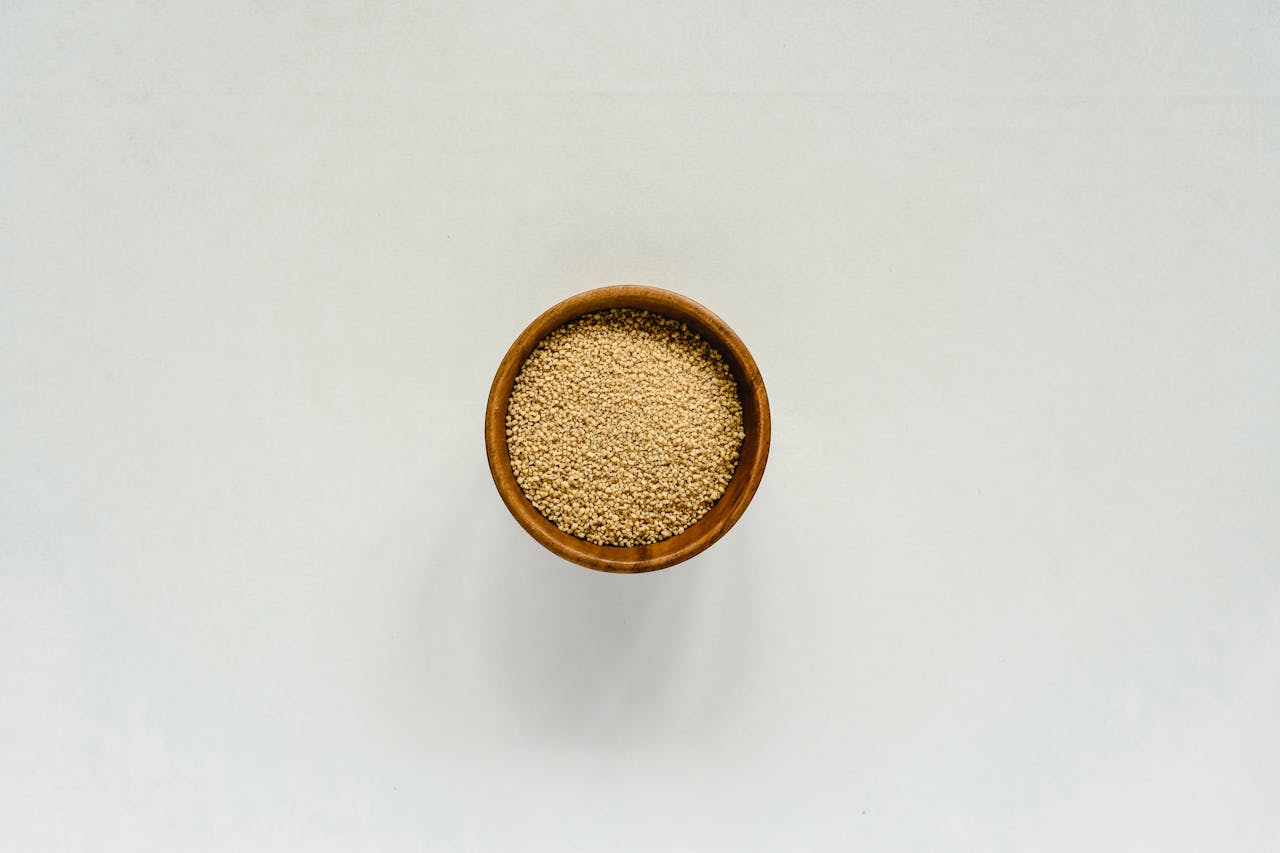
Plain sesame seeds are not toxic to dogs and are safe in small amounts, such as a pinch sprinkled on food or the few seeds on a bun. They are high in fat and calories, so they work best as an occasional extra rather than a daily topper. Sesame snacks, sesame chicken and seasoned crackers are the real risk, because of salt, fat, sugar, onion and garlic.
Magnesium is the one on that list owners ask about most, and how much magnesium a dog really needs depends far more on her complete food than on a sprinkle of seeds.
Are Sesame Seeds Good for Dogs?
Sesame seeds carry calcium, magnesium, copper, fiber, plant protein and antioxidants, and they share that nutrient-dense reputation with other superfoods for dogs. The catch is fat. Sesame is about half fat by weight, and a single teaspoon holds roughly 17 calories, which adds up quickly for a small dog. A complete dog food already covers these nutrients, so sesame is a little bonus, never a necessity.
Whole, Ground and Black Sesame Seeds
Whole seeds are so small and hard that many pass straight through a dog undigested. Ground or lightly crushed seeds are easier to absorb, and a tiny pinch stirred into the dog's bowl mixes in without clumping. Black sesame seeds follow the same rules as white ones. They usually still carry their hull, so they are a touch higher in fiber and slightly tougher on a sensitive gut.
How Much Sesame a Dog Can Have
Sesame should stay a garnish. Treats and extras together belong under about 10 percent of a dog's daily calories, and the seeds should take only a small corner of that.
Sesame Seed Portions by Dog Size
- Toy and small dogs: a pinch, up to about 1/4 teaspoon of ground seeds.
- Medium dogs: up to about 1/2 teaspoon.
- Large dogs: up to about 1 teaspoon.
A few times a week is plenty. Start with less than these amounts and watch for loose stools over the next day. If diarrhea appears, stop and let the stomach settle.
Dogs That Should Skip Sesame
Dogs with a history of pancreatitis, and breeds more prone to it such as Miniature Schnauzers, Yorkshire Terriers, Cocker Spaniels, Dachshunds and Poodles, are better off without fatty extras. The same goes for overweight dogs and those already eating a food for sensitive stomachs. Puppies need their nutrition from puppy food, and senior dogs can have a crushed pinch if their digestion and weight allow.
Sesame Sticks and Dogs
Sesame sticks are not a good snack for dogs. Despite the name, they are mostly wheat flour fried in oil, with salt and a coating of sesame seeds, and many flavored versions add garlic or onion powder, which are as risky as fresh onions for dogs. One or two dropped sticks are unlikely to cause harm, but they should not become a treat.
What Is in a Bag of Sesame Sticks
Salted sesame sticks run to roughly a third fat, with about 540 calories per 100 grams. A one-ounce handful holds around 150 calories and 10 grams of fat, close to half of what a 10-pound dog needs in a whole day. Honey-roasted, spicy and garlic versions add sugar, chili and the alliums that damage red blood cells.
If a Dog Eats a Handful of Sesame Sticks
For most dogs, a stolen handful means an upset stomach at worst. The salt in a handful is far below the amount that causes salt poisoning, especially with fresh water nearby, so keep the water bowl full. Watch for vomiting, diarrhea, a sore belly or a dog who stops eating over the next day, and call a vet if the bag was large, the dog is small, or the flavor contained garlic or onion.
Sesame Oil, Tahini and Other Sesame Foods
The seed itself is simple. The dishes built around it are where salt, fat and seasoning come in.
Sesame Oil for Dogs
Plain sesame oil is not toxic, but it is pure fat, and dogs do not need it. A drop or two drizzled over food will not hurt a healthy dog. Toasted sesame oil from a stir-fry is a different matter, since it usually shares the pan with soy sauce and garlic. For skin and coat support, ask a vet about a fish-based omega supplement instead.
Tahini and Hummus
Plain tahini is just ground sesame, so a thin smear of an unsalted, unsweetened jar is fine as an occasional lick. Read the label for salt, sweeteners and xylitol first, and keep the amount tiny, since thick spreads can stick in the throat. Hummus is a no, because nearly every recipe includes garlic, along with lemon, salt and oil.
Sesame Seed Buns, Bagels and Bread
The seeds on a burger bun or bagel are not the problem. The bread underneath can be, with sugar, butter and sometimes onion. Everything bagels add garlic and onion flakes, and cinnamon raisin bagels hide raisins, which can cause kidney failure in dogs.
A small torn piece of a plain sesame bun is fine for most dogs. A whole bun, especially with burger juices or sauce on it, is better kept away.
Sesame Chicken and Takeout
Sesame chicken is battered, deep-fried and coated in a sweet, salty sauce that often includes garlic, so it stays off the menu. Plain cooked chicken breast with a pinch of ground seeds is the dog-safe version, and mild seasonings from this list of herbs for dogs can add flavor without the risk.
Signs Sesame Disagreed With a Dog
Most sesame trouble is mild and passes within a day. Knowing what to watch for helps tell an upset stomach from something that needs a vet.
Stomach Upset and Pancreatitis Signs
Too many seeds or a rich sesame dish can cause gas, vomiting or loose stools. Pancreatitis is less common but more serious, and large amounts of table scraps and rich food are believed to be a common trigger. Call a vet for repeated vomiting, a painful or hunched belly, weakness, or a dog who refuses food.
Sesame Allergy in Dogs
Sesame allergies are rare in dogs but possible, as with any protein. Signs include itchy skin, red ears, hives, facial swelling, vomiting or diarrhea, and some dogs show it through constant paw licking. Swelling of the face or any trouble breathing is an emergency.
For milder signs, stop the sesame and speak with a vet, who may suggest one of the dog foods for allergies if food reactions keep coming back.
A pinch of ground sesame over dinner is a lovely little extra for most dogs. Keep the snack sticks, takeout and seasoned bagels for the people, and sesame stays an easy thing to share.
Sources
- Merck Veterinary Manual, Pancreatitis in Dogs
- Merck Veterinary Manual, Salt Toxicosis in Animals
- ASPCA Animal Poison Control, People Foods to Avoid Feeding Your Pets
Related Reading


Share a thought, ask a question, or tell us about your own dog. We read every comment.