


Healthy Herbs Good for Dogs
 Dog Nutrition & Diet
Most herbs for dogs live in the same place your dinner does, which is why people ask about them. A sprig of parsley in the food bowl feels harmless, and usually it is. But the herb shelf is not uniformly safe, the difference between two varieties of one plant matters, and several herbs widely recommended online sit on the ASPCA's toxic list.
Quick answer: Basil, rosemary, garden thyme, sage, dill, cilantro and German chamomile are safe herbs for dogs in small amounts, and ginger, turmeric, cinnamon and fennel are safe spices. Avoid garlic, onion, chives, oregano, marjoram, bay leaf, nutmeg and hops entirely. Keep herbs to a pinch stirred through food, never essential oils, and check with your vet first if your dog is on medication, pregnant, or has a health condition.
Are Herbs Good for Dogs?
Herbs are not a food group your dog needs. A complete and balanced diet already covers their requirements, and no sprinkle of thyme fixes a diet that is not working. What herbs can do is add antioxidants, trace minerals and variety to a bowl your dog has stopped finding interesting, much like the produce in our guide to superfoods for dogs does.
Several also have a culinary reputation for settling stomachs or freshening breath. That is worth having, but keep the scale of it in perspective. These are garnishes, not treatments. A dog with persistent bad breath usually has a dental problem, and a dog with an ongoing upset stomach needs a vet rather than a herb.
Where herbs earn their place is in home cooking. If you already make food or treats, or you feed a raw diet, they are a low-calorie way to make a meal smell more interesting to a fussy eater.
How Much Herb Is Safe to Give a Dog?
Small amounts, occasionally, stirred through food. A pinch for a little dog and up to roughly a teaspoon of chopped fresh herb for a large one is the practical ceiling here, and less is genuinely fine.
The useful rule is the one that governs everything outside your dog's main food: treats and extras together should stay under about 10% of daily calories, the same ceiling that applies to fruit. Herbs barely register against it, but they still count as something new, so introduce one at a time and watch for loose stools over the next day.
Puppies follow the same rule in smaller amounts, though there is even less reason to bother while their diet is still being established. Two things change all of this entirely. Essential oils are concentrated far beyond anything you would eat and several are toxic to dogs in small volumes, so nothing on this page is safe in oil form unless a vet has told you otherwise.
And herbal supplements, particularly milk thistle, turmeric extracts and anything marketed for joints or liver support, are a dose-dependent decision that belongs with the vet who knows what else your dog is taking.
Which Herbs Are Safe for Dogs
| Herb or spice | What it offers | Best form | Watch for |
|---|---|---|---|
| Basil | Antioxidants, vitamin K | Fresh, torn | Nothing significant |
| Rosemary | Antioxidants, iron, calcium | Fresh or dried, chopped | Crush dried needles first |
| Thyme | Vitamins A, C and K, iron | Fresh or dried | Garden thyme only, never Spanish thyme |
| Sage | Antioxidants, vitamin K | Fresh, finely chopped | Strong flavor, many dogs refuse it |
| Dill | Vitamin A and C, iron | Fresh fronds | Nothing significant |
| Cilantro | Vitamin A, antioxidants | Fresh leaves | Nothing significant |
| Parsley | Vitamins C and K, iron | Flat-leaf, fresh | Never spring parsley; small amounts only |
| Chamomile | Calming reputation | Cooled weak tea | German chamomile only |
| Ginger | Settles a queasy stomach | Fresh, finely grated | Pungent; start very small |
| Turmeric | Antioxidants | Ground, in cooked food | Stains everything; supplements need a vet |
| Cinnamon | Antioxidants, aroma | Ground Ceylon | Never the powder inhaled or in bulk |
| Fennel | Breath, digestion | Seeds, crushed | Nothing significant |
Best Herbs to Share With Your Dog
1. Basil

Easy to grow, easy to serve, and one of the few herbs most dogs will eat straight off a chopping board. Basil is a good source of vitamin K and carries the antioxidant compounds that give it its smell. Tear it rather than chopping, and add it after cooking so the aroma survives.
2. Rosemary

Rosemary brings iron, calcium and a natural antioxidant effect, which is why it turns up as a preservative in commercial dog food. Strip the leaves from the woody stem and chop them finely. If you are using dried rosemary, crush it first, because the needles stay sharp enough to irritate a throat.
3. Thyme

Common garden thyme is genuinely useful, with vitamins A, C and K plus iron in a plant so small you only ever need a little. The important part is which thyme. Spanish thyme, also sold as Cuban oregano or Indian borage, is a different plant and is toxic to dogs. Check the label rather than the leaf.
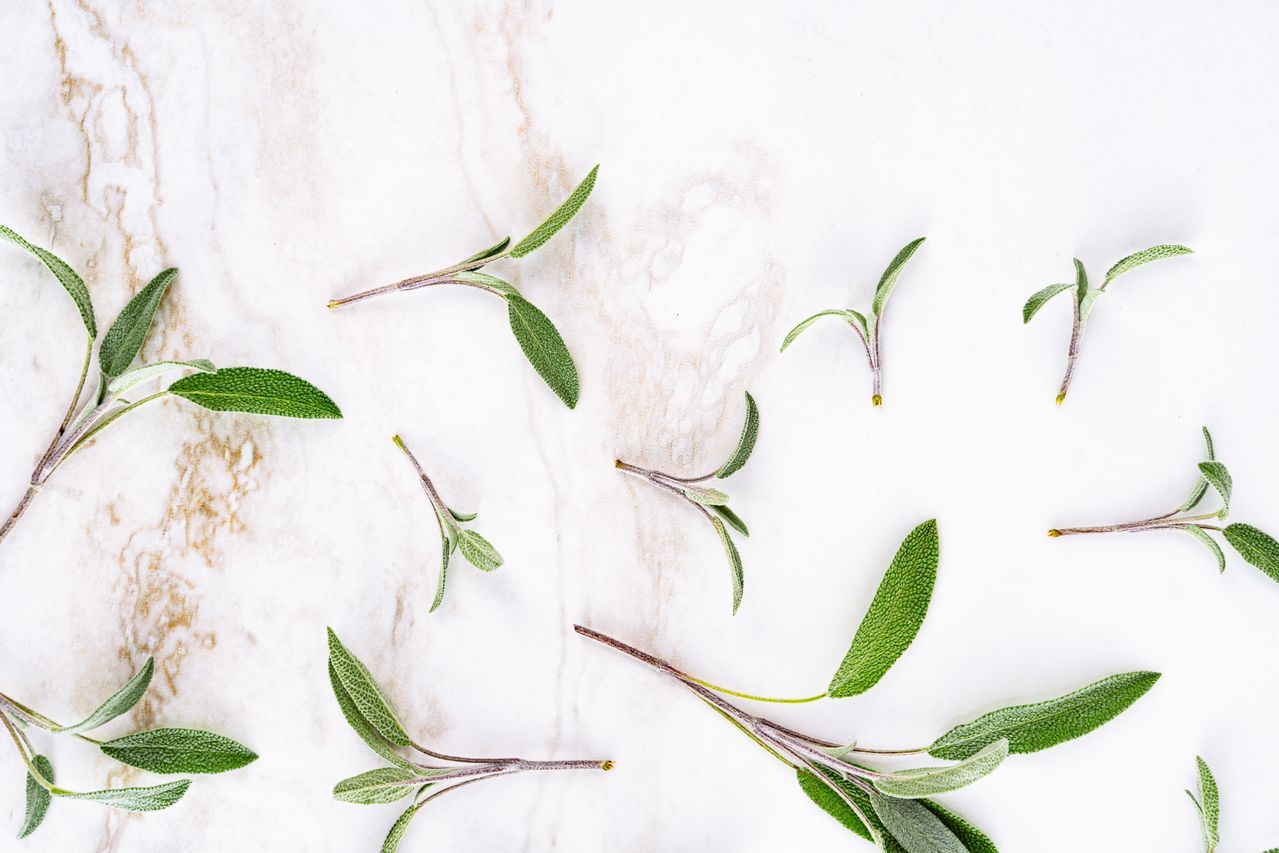
4. Sage

Sage is antioxidant-rich, traditionally used to settle digestion, and holds its flavor when cooked, which suits homemade food. It is also assertive, and plenty of dogs will eat around it. Start with a very small amount finely chopped and see whether yours is interested at all.
5. Dill

Dill is soft, mild and the easiest herb to get past a suspicious dog. It provides iron and vitamins A and C, with a long culinary history of settling gas and freshening breath. Fresh fronds snipped over dinner are all you need.
6. Cilantro

Cilantro, or coriander leaf, is a good source of vitamin A and antioxidants and is often suggested for mild digestive upset. Dogs divide on it much as people do. Serve the leaves fresh and finely chopped, and do not persist if your dog objects.
7. Parsley

Parsley has the best breath-freshening reputation of any herb here, and flat-leaf parsley in small amounts is fine for most dogs. Two caveats matter. Spring parsley is a different plant, phototoxic, and on the ASPCA's toxic list. And large quantities are not the aim even in flat-leaf form, so treat it as a garnish rather than a green.
8. Chamomile

German chamomile has a long-standing calming reputation and is usually offered as a weak, cooled tea rather than leaf material. It is the gentlest thing on this list, which also means not to expect much from it. A genuinely anxious dog needs a behavior plan and a vet conversation, not a cup of tea.
Healthy Spices for Dogs
Spices are the seeds, roots and barks rather than the leaves. They are more concentrated, so the amounts get smaller. Four are worth knowing about.
9. Ginger

Fresh ginger is the one most people reach for when a dog is queasy, and it has a reasonable basis for that reputation. Grate it very finely and use less than you think, because it is pungent and a dog that finds it unpleasant will abandon the whole bowl.
10. Turmeric

Turmeric's antioxidant properties come from curcumin, which is poorly absorbed on its own and is why supplements are formulated the way they are. A little ground turmeric stirred through cooked food is harmless and adds color. Anything sold as a joint or mobility supplement is a different product at a different strength.
11. Cinnamon

Cinnamon is not toxic and a small amount of ground Ceylon cinnamon in a homemade biscuit is fine. The problems come from volume rather than presence: loose powder is an inhalation irritant, and large quantities upset stomachs. Keep it to a light dusting in baking rather than sprinkled loose on a meal.
12. Fennel

Fennel seed is traditionally used for breath and digestion and is mild enough for small dogs. Crush the seeds so they are not swallowed whole, or steep and cool them before adding a little to the water bowl. The bulb is safe too, in the same way green beans are.
Herbs and Spices to Avoid
Some of the most commonly recommended herbs online are on the ASPCA's toxic plant list for dogs, which is worth checking before you plant a herb bed as much as before you serve anything.
The Allium family. Garlic, onion, chives, leeks and shallots all damage red blood cells and can cause anemia. Garlic gets defended in some raw feeding circles as safe in small doses. It is not worth the risk, and it is toxic in every form including powdered.
Oregano and marjoram. Both are on the ASPCA list, both are gastrointestinal irritants, and oregano oil is far worse than the leaf. Skip both, and read the label on any Italian seasoning blend, which usually contains oregano and garlic together.
Mint, depending on the variety. Pennyroyal contains pulegone and is the dangerous one, capable of causing liver damage. Peppermint and spearmint are not toxic in the same way but cause stomach upset in quantity. Given the variety confusion, mint is easier to leave out than to get right.
Nutmeg and mace. Both contain myristicin, which at higher doses causes disorientation, a racing heart and seizures. This is the one that catches people out at Christmas.
Bay leaf, hops, and the hot spices. Bay leaf is both a toxicity and an obstruction risk. Hops can cause a dangerous rise in body temperature and are a real hazard in homebrewing households. Black pepper, cayenne, chili and paprika irritate the mouth and gut, so there is no reason to offer them.
Anything growing unidentified. A dog grazing in a herb bed is a different situation to a dog handed a leaf. Know what is planted, keep the toxic ones out of reach, and remember that pesticides on a garden plant matter as much as the plant.
Call Your Vet If Your Dog Eats
- Garlic, onion, chives or leeks in any meaningful quantity, raw, cooked or powdered
- Nutmeg or mace, or baked goods likely to contain them
- Hops, including spent brewing hops from the bin
- Any essential oil, whether swallowed or applied to the coat
- An unidentified plant from the garden or on a walk
In the United States the ASPCA Animal Poison Control Center is on 888-426-4435, and a consultation fee may apply. If your dog is showing symptoms rather than just suspected of eating something, go straight to your vet. Better to call early.
How to Serve Herbs to Your Dog
Fresh is easiest. Wash it, chop or tear it finely so it is not swallowed in strands, and stir it through food rather than leaving it on top, where a fussy dog will eat around it. Dried herbs are more concentrated, so use noticeably less than fresh.
Baking is the other route, and herbs hold their flavor in biscuits and frozen treats better than most fresh ingredients do. Our dog treat recipes are a good starting point if you would rather work them into something than sprinkle them on dinner.
One last thing worth saying plainly: if you are adding herbs because something seems wrong, the herb is not the answer. Ongoing digestive trouble is worth investigating properly, including working out whether gut support is the actual issue. Herbs are for a dog who is already well.
Final Thoughts
If you want to start somewhere, start with basil, parsley or dill. All three are mild, easy to grow on a windowsill and unlikely to cause a problem in the amounts you would realistically use. Rosemary and thyme are the next step, and ginger is the one worth keeping in the fridge.
Everything else here is a smaller decision than it looks. A pinch of something green does not transform a dog's health, and it was never going to. What it does is make an ordinary bowl of food more interesting, which is a good enough reason on its own.
Related Reading


Share a thought, ask a question, or tell us about your own dog. We read every comment.