


Can Dogs Eat Biscuits? Read the Label
 Dog Nutrition & Diet
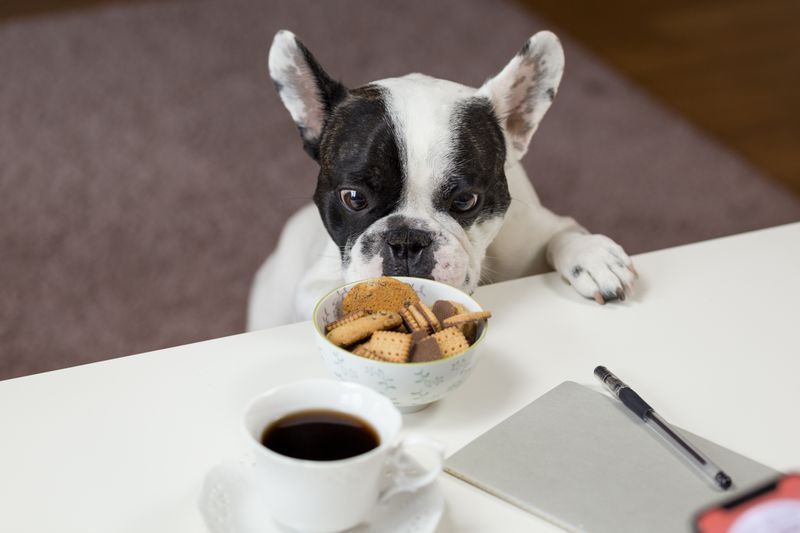
Biscuit means two different things depending on where the tin was bought. In the US it is a buttery, flaky bread roll, and in Australia and the UK it is the sweet, crunchy companion to a cup of tea. Either way, can dogs eat biscuits? A small piece of a plain one is rarely a problem, but neither kind belongs in the treat rotation, and a few common add-ins turn an ordinary biscuit into a vet call.
What follows covers what makes biscuits risky, which favorites deserve extra care, and what to offer instead. For one much-loved Australian bake, this guide to Anzac biscuits and dogs includes a dog-safe batch.
Are Human Biscuits Safe for Dogs?
Plain, fully baked biscuits are not toxic to dogs, so a crumb or a small piece is unlikely to hurt a healthy adult dog. They are still a poor treat, high in salt, fat or sugar and offering nothing a dog needs. Biscuits containing xylitol, chocolate, raisins, macadamia nuts, onion or garlic are dangerous, as is raw yeast dough, and any of those warrants a call to your vet.
The style of biscuit decides which problem matters most. American buttermilk biscuits lean salty and fatty. Sweet tea biscuits lean sugary, and they are the ones most likely to hide chocolate, dried fruit or sugar-free sweeteners.
Salt, Butter and Sugar in Human Biscuits
One major brand of frozen buttermilk biscuits lists 560 mg of sodium and 8 g of fat per biscuit, figures designed around an adult human. A single biscuit will not cause salt poisoning in a healthy dog, but for a small dog it is a large share of the day's salt and fat, the same issue that makes salami a poor choice for dogs.
Rich, fatty food is a known trigger for pancreatitis, a painful inflammation of the pancreas that is more likely in overweight dogs, Miniature Schnauzers and dogs who have had it before. Sugar works more slowly, through weight gain and dental disease.
Biscuit Ingredients That Are Toxic to Dogs
Most biscuit emergencies come from what is mixed into the dough rather than the dough itself.
Xylitol in Sugar-Free Biscuits
Xylitol, sometimes labeled birch sugar, turns up in sugar-free and diet baking. The ASPCA notes it can cause dangerously low blood sugar and liver damage in dogs, with early signs of vomiting, lethargy and wobbliness that can progress to seizures. Cornell's canine health center reports that signs often begin within 30 to 60 minutes, so any sugar-free biscuit deserves a label check before it goes anywhere near a dog.
Chocolate, Raisins and Macadamia Cookies
Chocolate chip and chocolate-coated biscuits carry theobromine, and the risk depends on the type of chocolate and your dog's weight. This dog chocolate toxicity calculator gives a quick estimate before you phone the vet.
Raisins and sultanas in fruit biscuits are linked to kidney damage, and with grapes and raisins there is no known safe amount.
Macadamias, a favorite pairing with white chocolate, can cause weakness, tremors, vomiting and overheating, usually within 12 hours. Holiday tins often hold all three at once, and this guide to Christmas foods for dogs sorts through them.
Onion and Garlic in Savory Biscuits
Savory biscuits are often seasoned with onion or garlic powder, and the garlic cheddar biscuits served at seafood restaurants are a common example. Both damage a dog's red blood cells, the powdered forms are concentrated, and signs can take days to appear. This guide to onion and garlic toxicity in dogs explains what to watch for.
Raw Biscuit Dough
Yeast-raised dough is the dangerous kind. It keeps rising in a warm stomach, which can cause painful bloat, and the fermenting yeast produces alcohol. Most canned and frozen buttermilk biscuit dough rises with baking powder instead, so it does not ferment, though a whole tube is still a heavy dose of fat and salt. The raw dough section of this bread safety guide covers yeast doughs in more detail.
Biscuits and Gravy, Fast-Food and Tea Biscuits
Biscuits and Gravy
This is one of the riskier plates to share. Sausage gravy pairs pork fat with salt, and many recipes and seasoning blends include onion or garlic powder. Sausage biscuits bring the same problems in sandwich form. A lick from the plate is unlikely to matter, while a shared serving is a different story, especially for a small dog.
Popeyes, KFC and Pillsbury Biscuits
Fast-food biscuits from chains like Popeyes and KFC are made for flavor, with generous butter and salt, and some arrive brushed with butter or served with honey. Honey is safe for adult dogs in tiny amounts, as this guide to honey for dogs explains, but it adds sugar to an already rich bake.
Baked Pillsbury biscuits sit in the same rich category: a bite is unlikely to harm a healthy dog, but none are worth offering on purpose.
Ginger, Blueberry and Plain Tea Biscuits
Ginger itself is fine for dogs in small amounts. Ginger biscuits and gingernuts are mostly sugar and fat, and some include nutmeg, although Pet Poison Helpline vets note that the small amounts used in baking are unlikely to cause serious harm. For the flavor without the sugar, these peanut butter ginger snaps for dogs are made for the purpose.
Belvita blueberry breakfast biscuits contain no artificial sweeteners, but each four-biscuit pack carries around 12 g of sugar. A dropped piece is no cause for worry, and fresh blueberries make a far better treat.
Plain digestive, Marie, arrowroot and Parle-G biscuits are simple wheat and sugar bakes, usually free of toxic ingredients. That makes them the least risky of the group, though chocolate-coated or sugar-free versions are another matter, and none should become a daily habit.
What to Do If Your Dog Ate a Biscuit
Check the wrapper or recipe first. Call your vet or a pet poison line straight away, even if your dog seems perfectly fine, if the biscuit contained:
- Xylitol or any sugar-free sweetener
- Chocolate, raisins, sultanas or macadamia nuts
- Onion or garlic, including gravy and seasoned savory biscuits
- Raw yeast dough
Call as well if your dog ate a large amount, is very small, or has a history of pancreatitis. Otherwise, keep fresh water available and watch for vomiting, diarrhea, a tender belly or unusual tiredness over the next day. Do not try to make your dog vomit at home unless your vet advises it.
Dog-Safe Biscuits and Homemade Dog Treats
A biscuit made for dogs offers the same satisfying crunch without the salt, butter and sugar. Commercial dog biscuits are formulated for canine digestion, and baking at home means every ingredient is chosen deliberately. These dog treat recipes are a lovely place to start, with plenty of oat, pumpkin and peanut butter bakes.
How Many Dog Biscuits a Day?
Treats of any kind should stay under about 10 percent of your dog's daily calories, which is less than most people picture for a small dog. Check the calories per piece on the packet, break larger biscuits into small pieces, and trim the meal a little on generous days.
If your dog does raid the biscuit tin, the ASPCA list of people foods to avoid is worth keeping bookmarked beside your vet's number. Your dog will not mind which biscuit lands in the bowl, only that you are the one handing it over.
Sources
- ASPCA Animal Poison Control Center, People Foods to Avoid Feeding Your Pets
- Merck Veterinary Manual, Salt Toxicosis in Animals
- Cornell University Riney Canine Health Center, Xylitol Toxicities
Related Reading


Share a thought, ask a question, or tell us about your own dog. We read every comment.