


CBD Oil for Dogs in Australia: The Vet-Only Pathway
 Health & Wellbeing

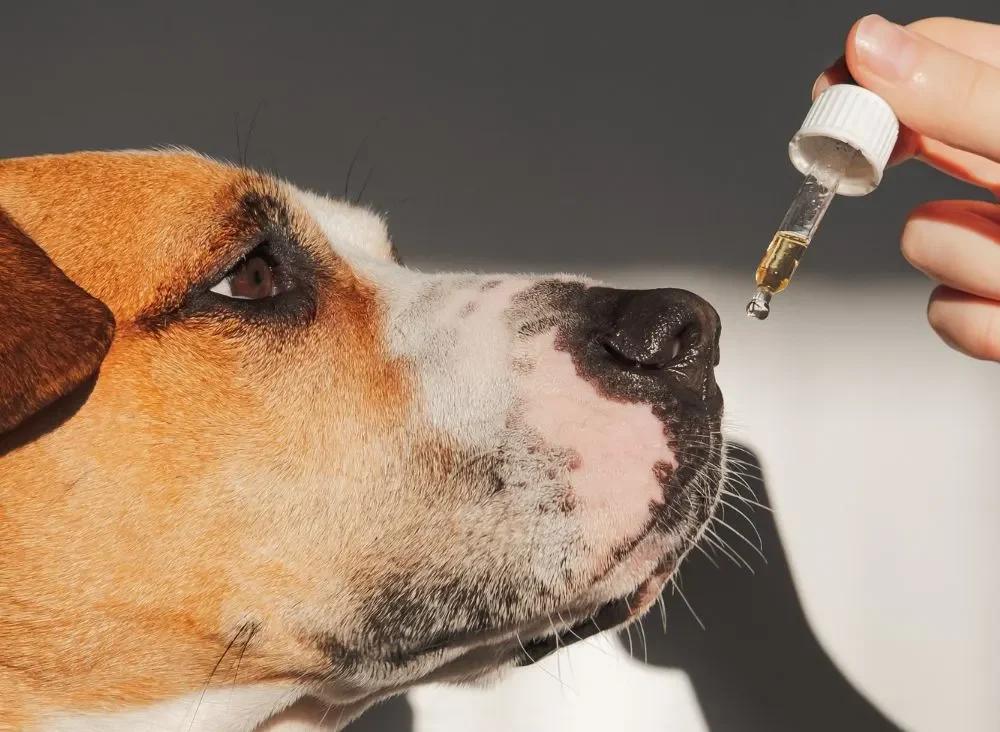
A senior dog who takes longer to rise each morning, a pup who shakes through every thunderstorm, an epileptic dog whose medication is not quite enough: these are the moments that lead many owners to look into CBD oil for dogs in Australia. The questions that follow are almost always the same. Is it legal, is it safe, and where do you actually get it?
Cannabidiol is available for dogs here, but only through a vet, and the rules are stricter than most overseas articles suggest. Below is how access works today, what the research shows, and how to raise it with your vet.
This article was created in partnership with CBD Vets Australia.
Is CBD Legal for Dogs in Australia?
Yes, but only with a prescription from your vet. No CBD product is registered for animals with the Australian Pesticides and Veterinary Medicines Authority (APVMA), so none can be sold in pet stores or online. A vet can prescribe a Schedule 4 product that is at least 98% CBD, usually made up for your dog by a compounding pharmacy. Buying or importing pet CBD without a prescription is illegal.

Why Pet CBD Is Not Sold Over the Counter
Any product sold to treat or prevent a health problem in animals must first be registered by the APVMA, which assesses its safety, effectiveness and manufacturing quality. No medicinal cannabis product for animals has been through that process. Supplying, advertising or even possessing an unregistered veterinary product can bring civil and criminal penalties, which is why the CBD pet drops sold freely in the United States are not on Australian shelves.
What Vets Can Legally Prescribe
Vets can still prescribe cannabidiol under their own prescribing rights, within firm limits set out by the Australian Veterinary Association:
- Schedule 4 only: CBD must make up 98% or more of the product, with all other cannabinoids, THC included, under 2%.
- No pharmacy-only CBD: the lower-dose Schedule 3 CBD category is for human use only.
- No THC medicines: Schedule 8 medicinal cannabis is not allowed for animals.
- Imported cannabidiol: the CBD must be grown overseas and imported under permit, although a licensed compounding pharmacy here can make up the final product.
What Cannabidiol May Help Dogs With
Research in dogs is still young and the studies are small, but a pattern is starting to emerge.
Arthritis and Chronic Pain in Older Dogs
Osteoarthritis has the strongest evidence so far. Several small placebo-controlled trials found that dogs given CBD twice a day moved more comfortably and scored better on pain assessments than dogs given a placebo. Most vets see it as an addition to proven arthritis treatment rather than a replacement for anti-inflammatory pain relief.
Comfort at home matters just as much, and these senior dog essentials make daily life gentler on stiff joints.

Anxiety, Noise Phobias and Seizures
In owner surveys, pain, inflammation, anxiety and noise phobias are the most common reasons people try cannabis products for their dogs. For anxiety, though, the evidence in dogs is still mostly anecdotal, and the results for epilepsy so far are mixed.
If your dog struggles when left alone, it helps to understand what is driving it first. This guide to whether dogs get lonely explains how loneliness, boredom and separation anxiety differ.
What Australian Vets Say About CBD for Dogs
Dr. Rebecca Dowling BVSc of Sunset Home Veterinary Care has used CBD with a number of her patients: "It's helpful for muscle pain in dogs with arthritis. It has improved the ease of falling asleep and being less restless during the night for many dogs, and we assume this is because they are less painful."
Dr. Christopher Lee, Veterinary Director of CBD Vets Australia, has seen similar results: "I have seen first-hand how CBD oil can be used not just for pain control but also for its anti-inflammatory and antioxidant effects, as well as a mood balancer for animals."
The Australian Veterinary Association takes a more cautious line. It notes conflicting reports on how well CBD works and suggests choosing it when registered medicines are not enough, or cannot be used.
Hemp Seed Oil vs Cannabidiol for Dogs
Both come from the cannabis plant, but they are very different products. Hemp seed oil is pressed from the seeds and holds only trace amounts of cannabinoids. It is a source of omega fatty acids, sold as a food or supplement, and it will not do what a prescribed CBD oil does. CBD oil is extracted from the flowers and leaves, where cannabidiol is concentrated.
Reading Hemp Labels on Pet Products
On the shelf, the line between the two can blur. A recent Senate committee report on the hemp industry found real confusion over how hemp-based pet products are classified and asked the APVMA to publish clearer guidance. Vets see the same confusion in the clinic, with many owners buying hemp seed oil in the belief that it contains CBD. If a pet product sold without a prescription talks about hemp, treat it as a nutritional oil, not cannabidiol.

Is CBD Safe for Dogs? Side Effects to Know
Early research suggests CBD is fairly well tolerated in dogs. The most common side effect in studies is diarrhea, and some dogs show a rise in a liver enzyme on blood tests. CBD can also change how the body processes other medicines, so your vet needs to know everything your dog takes. Many vets run a baseline blood test before treatment starts and check again a few weeks later.
Why Prescribed CBD Will Not Make Your Dog High
CBD is not intoxicating. The compound behind a "high" is THC, and dogs are far more sensitive to it than people because they have more of the brain receptors THC acts on. A prescribed Schedule 4 product keeps other cannabinoids, THC included, under 2% of the total, which is why it should not cause intoxication. A product of unknown origin offers no such guarantee.
Why Buying Pet CBD Online Puts Dogs at Risk
Ordering CBD for your dog from an overseas website, or buying it locally without a prescription, is illegal in Australia, and parcels can be stopped at the border. The greater worry is what is in the bottle. Unregulated products can hold less CBD than claimed, unsafe THC levels, or contaminants such as heavy metals and pesticides.

Human CBD Products and Dogs
CBD made for people is not a safe shortcut either. Human products may contain THC, flavorings or sweeteners that are dangerous for dogs, and their doses are not designed for a dog's weight. Keep your own medicines well out of reach, and call your vet straight away if your dog gets into any cannabis product.
Getting a CBD Prescription for Your Dog
Start with your regular vet. Bring a list of everything your dog currently takes, including supplements, and be ready to describe what you are hoping to help. Your vet will decide whether CBD suits your dog, choose a starting dose for their weight and condition, and send the prescription to a licensed supplier or compounding pharmacy. Not every clinic prescribes CBD, so you may be referred.
What Shapes the Cost of Veterinary CBD
Cost depends on your dog's size, the dose, how long treatment runs, and the consultations and blood tests along the way. Larger dogs need more, so a healthy weight helps the budget as well as the joints, and this look at pet obesity and the fat pet gap explains how extra weight adds strain. Ask your vet for an estimate before you begin.
Finding a Prescribing Vet in Australia
If your own vet does not prescribe CBD, CBD Vets Australia supports vets with training and access to legal medicinal cannabis for animals, and can connect you with a prescribing veterinarian in your state. Visit CBD Vets Australia or call (02) 8294 9303.
Whatever you decide, keep your vet at the center of the plan. The right treatment for your dog is the one chosen with someone who knows their history.
Sources:
- Australian Veterinary Association, Use of medicinal cannabis in animals (policy statement)
- Australian Pesticides and Veterinary Medicines Authority, Regulation of veterinary chemical products containing cannabis
- Gamble LJ et al., Pharmacokinetics, safety, and clinical efficacy of cannabidiol treatment in osteoarthritic dogs, Frontiers in Veterinary Science


Related Reading


Share a thought, ask a question, or tell us about your own dog. We read every comment.