


Lhasa Apso vs Shih Tzu: Spot the Difference
 Dog Breeds
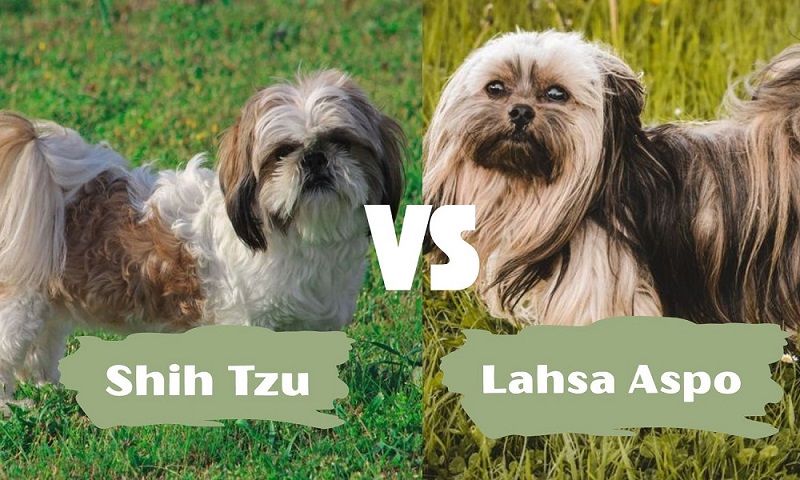
A monastery watchdog and a palace lap dog should be easy to tell apart. Under a full coat of hair, though, they can pass for twins, which is why the Lhasa Apso vs Shih Tzu question comes up so often at dog parks, groomers and breeders' doors. Both are small, both come from Tibet, and both arrive wrapped in that famous flowing coat.
The real differences sit in the face, the feel of the coat and, above all, the personality. One keeps a careful eye on the front door; the other wants to sit on whoever walks through it. Much like the two corgi breeds, they share a family history and still live very differently once they come home.
How to Tell a Shih Tzu From a Lhasa Apso
The quickest way to tell a Lhasa Apso from a Shih Tzu is the face. A Shih Tzu has a short, flat muzzle of about one inch, a broad round head and hair that grows upward into a chrysanthemum shape. A Lhasa Apso has a longer muzzle, a narrower head and a heavier, harder coat. Temperament differs too: Shih Tzus are outgoing with everyone, while Lhasas are watchful and reserved with strangers.
Nose and Muzzle Length
The breed standards spell it out. A Shih Tzu's muzzle measures about one inch from tip to stop, and the nose sits level or slightly tipped up, which places the breed among the flat-faced dogs left off every list of the best dogs for hot weather. A Lhasa's muzzle is about one and a half inches long, roughly a third of the head's total length, with a straight foreface. Under a long coat, gently run a finger down the nose: if it ends almost as soon as it starts, that is most likely a Shih Tzu.
Head Shape and the Chrysanthemum Face
Shih Tzus have a broad, round head set wide between large dark eyes. The hair on the muzzle grows upward, framing the face like the petals of a chrysanthemum, which gives the breed its sweet, open expression. The Lhasa skull is moderately narrow and falls away behind the eyes, so the face reads as longer and more serious, with medium-sized eyes that never look full or prominent.
Bite and Tail Clues in Each Breed
The mouth helps too. The Lhasa standard calls for a reverse scissor bite, with the upper front teeth closing just inside the lower ones. The Shih Tzu has a wide jaw with a level or slightly undershot bite. Both breeds carry a plumed tail up over the back, though the Lhasa's often finishes with a small kink at the tip.
Size, Weight and Lifespan of Both Breeds
On paper the two overlap almost entirely, so size alone rarely settles the question. Both are small enough to lift easily and sturdy enough to enjoy a proper walk.
Lhasa Apso Breed Snapshot

- Height: about 10 inches at the shoulder for males, with females slightly smaller
- Weight: most adults land between about 12 and 18 pounds
- Lifespan: typically 12 to 15 years, and often longer
- Bred for: indoor sentinel in Tibetan monasteries and homes
- Notable trait: confident and self-possessed, and wary of strangers
Shih Tzu Breed Snapshot

- Height: no more than 10.5 inches at the shoulder
- Weight: about 10 to 18 pounds
- Lifespan: typically 10 to 16 years
- Bred for: companionship in the Chinese imperial court
- Notable trait: friendly, sociable and happiest on a lap
Neither breed needs a backyard, which is why the Shih Tzu is a fixture among the best dog breeds for apartments. A Lhasa adapts just as well to a small space, though its sharp alert bark carries through shared walls.
Which Breed Lives Longer?
Both are long-lived little dogs. In a UK study of more than half a million dogs, the Lhasa Apso's median life expectancy was 14 years, among the highest of any breed. A separate study of UK veterinary records found Shih Tzus died at an average age of 12.7 years, and its authors described the breed as relatively long-lived.
Tibetan Roots of Two Lion Dogs
Both breeds trace back to Tibet. The Lhasa takes its name from the holy city of Lhasa, where these dogs worked as indoor watchdogs, raising the alarm while larger mastiffs guarded outside. The Shih Tzu was developed in China from Tibetan dogs, and was once even known as the Lhasa Lion Dog, which goes a long way toward explaining the mix-ups today.
Coat Care and Grooming for Long-Haired Dog Breeds
Here the two genuinely feel different under your fingers, even though the grooming workload is much the same. Neither is a heavy shedder, but neither is low maintenance: hair that grows continuously also tangles continuously.
Coat Texture, Hard or Silky
The Lhasa's top coat is heavy, straight and hard, never woolly or silky, over a dense undercoat. The Shih Tzu coat is long and dense too, but softer to the touch, and a slight wave is allowed. Run a hand down the back of each and the Lhasa feels almost crisp, while the Shih Tzu feels plush. Either way, a good groomer becomes part of the routine, and the dog grooming directory is a handy place to find gentle coat-care products.
Brushing Routine and Puppy Clips
A full coat on either breed means brushing most days, right down to the skin, plus a topknot or regular trims to keep hair out of the eyes. Most pet owners choose a short puppy clip every six to eight weeks, which cuts the daily work to a few minutes. A pin brush and a metal comb handle both coats, and this guide to the best dog brush for every coat type explains which tool does which job.
Always brush before bath day rather than after, since water tightens any tangle it touches. This step-by-step dog bathing guide covers the rinse and dry that long coats need.
Coat Colors Seen in Each Breed
Lhasas come in golden, sandy, honey, dark grizzle, slate, smoke, parti-color, black, white or brown, and darker tips on the ears and beard are prized. Shih Tzus are permitted in every color, and parti-colored dogs often wear a white blaze on the forehead and a white tip on the tail. A gold and white puppy could belong to either breed, so color is the least reliable clue of all.
Temperament: Watchdog or Lap Dog?
This is where the two breeds truly part ways, and where most owners feel the difference first. Individual dogs vary, but each breed's original job still shows.
The Self-Possessed Lhasa Apso Personality
The Lhasa standard describes the breed as cheerful and assertive but wary of strangers, and that is a fair summary. Lhasas are affectionate and often comical with their own family, yet they size up visitors before deciding whether to bother. Bred to raise the alarm, they bark at unfamiliar sounds and make surprisingly effective watchdogs for their size.
The Sociable Shih Tzu Personality
A Shih Tzu was bred for company and nothing else, and it shows. Most greet strangers like long-lost friends and simply want to be wherever their people are. That warmth earns the breed a regular spot among the most affectionate dog breeds, and it also makes the Shih Tzu a hopeless watchdog.
Family Dogs, Other Pets and Time Alone
Shih Tzus are usually the easier match for families with gentle children, which is why the breed is often suggested alongside other dog breeds for kids. A Lhasa does best with older, respectful children, since it has little patience for rough handling. Both breeds get along with other pets when socialized early.
Solitude is the other big difference. Shih Tzus can struggle with long hours alone, while the more independent Lhasa is one of the breeds that usually copes better, as this look at anxious dog breeds explains.
Health Problems to Know in Both Breeds
Both breeds are generally robust, with a few conditions worth watching.
Breathing and Heat in a Flat-Faced Breed
The Shih Tzu's short muzzle makes it a brachycephalic breed, and that matters most in warm weather. A compressed airway makes panting less efficient, so snoring, noisy breathing and heat intolerance are common. Walk in the cool part of the day, keep your dog lean, and treat labored breathing at rest as a reason to call your vet. The Lhasa's longer nose gives it more room to cool down, though its heavy coat still calls for care on warm days.
Eyes, Teeth and Ears
A large UK study of Shih Tzus under veterinary care found periodontal disease was the most common diagnosis, affecting roughly one in ten dogs each year, followed by anal sac impaction and ear disorders. Eye problems were also more common than in dogs overall, so a squint or cloudy patch needs prompt attention. Lhasas have their own eye conditions to watch, including cherry eye and progressive retinal atrophy. Daily tooth brushing and routine ear checks suit both.
Kidney Disease in Lhasas and Shih Tzus
Both breeds can inherit renal dysplasia, a developmental kidney disease that typically shows itself in young dogs. The Merck Veterinary Manual names the Lhasa Apso and the Shih Tzu among the breeds in which it has been diagnosed. Increased thirst and urination in a young dog deserve a vet visit, and simple blood and urine tests can pick up kidney changes early.
Training and Exercise for Small Companion Breeds
Neither breed needs much space, but both need structure, patience and a reason to play along.
Training Styles for Each Breed
Neither is a natural people-pleaser. Lhasas are clever and independent, and they want a good reason to cooperate, so short sessions with food rewards work far better than repetition. Shih Tzus are keen to please but easily distracted and notoriously slow to house-train, which helps explain why they turn up on lists of the dumbest dog breeds despite being anything but dim. Patience, consistency and a steady potty schedule win with both.
Exercise Needs of Two Small Tibetan Breeds
A couple of short walks and some indoor play cover most days for either dog. Lhasas often have a little more stamina and enjoy a longer sniffing walk, while Shih Tzus are content with a gentle stroll and a nap. Keep both lean, since extra weight strains small joints and makes a Shih Tzu's breathing harder.
Which Small Dog Breed Suits Your Home?
Neither breed is better, only better suited to a particular home.
Choosing a Lhasa Apso
A Lhasa suits people who like a dog with opinions: a loyal, self-possessed companion that bonds deeply with its own household, keeps watch over the front door and does not need constant attention. Adult homes and families with older children are the best fit.
Choosing a Shih Tzu
A Shih Tzu suits anyone who wants an affectionate shadow that loves visitors, children and laps in equal measure. It is a popular pick among the best dogs for first-time owners, provided someone is home most of the day and the coat care is planned for.
Puppy Cost and Breeder Health Checks
Puppy costs for both breeds vary widely by country, breeder and pedigree, so focus on what the cost should cover rather than the number itself. A responsible breeder of either breed health-checks the parents, including eye exams, and can talk honestly about kidney health, breathing and dental history in the line. Budget for ongoing grooming and dental care too.
For a clear picture of what Shih Tzus most often visit the vet for, the Royal Veterinary College's VetCompass study of Shih Tzu health is worth reading before a breeder visit.
Lhasa or Shih Tzu, both bring a lion's heart in a lap-sized body. Choose the temperament that fits your days, plan for the brushing, and enjoy a long-lived companion, even if only one of them will announce the delivery driver.
Related Reading


Share a thought, ask a question, or tell us about your own dog. We read every comment.