


How to Bathe a Dog at Home
 Pet Lifestyle
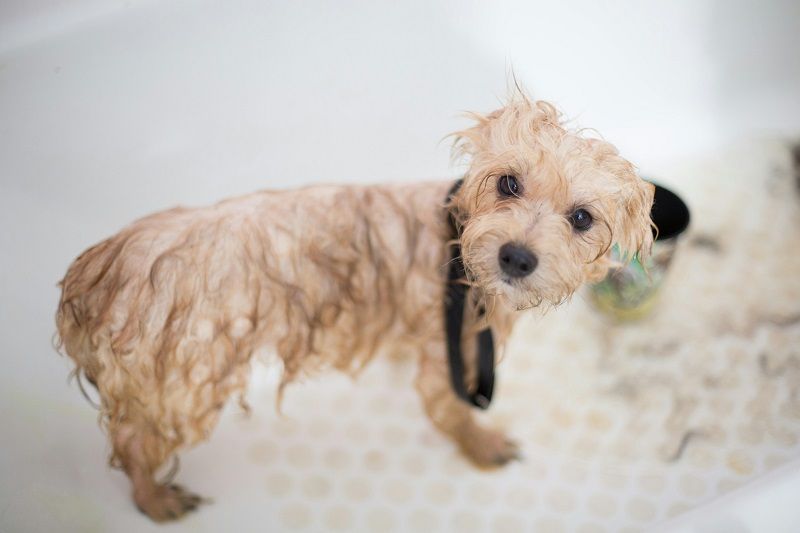
Yuki is a Maltese, and white fur hides nothing. One enthusiastic roll in wet grass and the rest of my afternoon belongs to the bathroom. What changed things for me was not a better shampoo but getting the order of operations right, because knowing how to bathe a dog is mostly preparation, patience, and rinsing for longer than feels necessary.
Here is the routine I use, the frequency that suits different coats, and the mistakes that turn a ten minute job into an hour.

How Often Should You Wash a Dog?
Most healthy dogs do well somewhere between every four and eight weeks. Where your dog lands depends on coat type, skin health, time spent outdoors, and the season. Washing more often than a coat needs strips the natural oils that keep skin comfortable, which is why an over bathed dog often ends up itchier than a dirty one.
Bath Frequency by Coat Type
Coat matters more than breed here, and plenty of dogs carry a coat their breed is not known for.
| Coat type | Typical of | Bath frequency | Watch for |
|---|---|---|---|
| Short and smooth | Beagles, Boxers, Dalmatians | Every 8 to 12 weeks | Dry, flaky skin from washing too often |
| Medium to long | Retrievers, Spaniels, Collies | Every 4 to 6 weeks | Tangles behind the ears and under the legs |
| Double coated | Huskies, German Shepherds, Corgis | Every 6 to 12 weeks | Water not reaching the skin, slow drying |
| Curly or wool | Poodles, Bichons, doodle crosses | Every 3 to 4 weeks | Mats tightening the moment they get wet |
| Oily | Basset Hounds, Cocker Spaniels | Every 2 to 4 weeks | Odor returning within days of a bath |
Treat these as starting points. A dog with allergies, a skin condition, or a prescribed medicated shampoo follows the vet's schedule instead.
Signs Your Dog Is Due for a Bath
Ignore the calendar if your nose disagrees with it. The coat feels gritty rather than soft, there is a warm doggy smell in the room before you see the dog, or flakes show at the base of the neck. Between baths, a damp cloth over the paws, belly and muzzle buys another week or two without touching the skin barrier.
What You Need for a Dog Bath at Home
Once your dog is wet you are committed, and nothing goes worse than realizing the towels are still in the cupboard while a soapy dog eyes the door.
- Dog shampoo, plus conditioner for long or curly coats
- Two towels at minimum, one for the dog and one for the floor
- A non slip mat for the tub or sink
- A jug or handheld sprayer for controlled rinsing
- A comb, plus the right brush for your dog's coat
- A washcloth for the face
- Treats, and more of them than you think you need
Choosing the Right Dog Shampoo
One rule matters more than the rest: never human shampoo. VCA notes that human shampoo has a different pH and can irritate or even burn a dog's more delicate skin.
For most dogs a mild oatmeal, aloe or coconut based formula is plenty, and long or curly coats do better with conditioner afterward. If your dog has ongoing itching, ask your vet before switching, because medicated shampoos need specific contact times to work at all. Our dog grooming directory is where I look for something gentler than the supermarket shelf.
Where to Wash a Dog Without a Bathtub
Small dogs fit in a kitchen or laundry sink, which saves your back. Larger dogs do better in a bathtub or a shower with a handheld head, and a plastic tub outside works on a warm day, filled with lukewarm water rather than run from the hose. Whatever you use, put a mat down. A dog sliding on a wet surface learns fast that baths are frightening.
Dog Wash Tips for Nervous Dogs
Most dogs who hate baths are not being difficult. They are on a slippery surface, held still, with water arriving from an unfamiliar direction.
Work below the point where your dog is worried. Feed treats in a dry tub for a few days before you turn a tap on, smear something sticky on the tub wall so there is a reason to stand still, and keep the pressure low.
Watch for discomfort before it becomes panic. Lip licking, yawning, a tucked tail and whale eye all mean your dog would like this to stop, and our guide to reading dog body language covers the rest. Take a break rather than pushing through.
How to Wash a Dog Step by Step
Brush the coat out, then wet your dog from the neck down with lukewarm water. Lather dog shampoo through the coat with your fingers, working from neck to tail and leaving the head for later. Let it sit a minute or two, then rinse until the water runs clear and the coat no longer feels slick. Wipe the face with a damp cloth, towel dry, and brush again once the coat is dry.

Prep Before the Water Goes On
Brush first, always. Water tightens whatever tangles are already there, so anything you skip now comes out of the tub worse than it went in.
Then set the temperature: lukewarm on the inside of your wrist. Hot water dries the skin and cold water unsettles an already unsure dog. Close the door, put the mat down, and walk your dog in rather than carrying a squirming one.
Wetting and Lathering the Coat
Start at the neck and work back and down, letting the water soak through to the skin. Double coats take longer than you expect, and if water is beading on the surface the shampoo is not reaching anything.
Dilute the shampoo in a jug or lather it between your palms, then work it in section by section with your fingertips. The spots almost everyone misses are the armpits, the belly, between the toes and under the collar. Let it sit a minute before rinsing.
Rinsing Out Every Trace of Shampoo
This step decides whether your dog is comfortable tomorrow, since leftover shampoo is the most common reason a dog scratches after a bath. Rinse from the neck down so suds run away from the face, and part the fur as you go. The chest, the backs of the legs and the belly hold bubbles long after the top coat looks clean. Keep going until the coat feels squeaky rather than slippery.
Washing a Dog's Face and Ears
Leave the head until last, and do it without pouring water over it. A damp washcloth is all you need for the muzzle, the eyes and under the chin.
Ears stay dry. Wipe the outer ear and go no further in. Water sitting in an ear canal is how ear infections start, and floppy eared dogs are most prone.
How to Dry a Dog After a Bath

Let them shake first. It looks like chaos, but it removes a useful amount of water, so let it happen inside the tub.
Towels, Dryers and Air Drying
Blot and press rather than rubbing, which tangles a long coat and irritates a short one. Thick and double coats usually need a second towel.
A dryer helps if your dog tolerates it: low or cool, always moving, held far enough away that you could rest your own hand in the airflow. Air drying is fine in warm weather, though a damp double coat drying slowly against the skin can end up smelling worse than before the bath.
Brushing and Post-Bath Skin Checks
Brush again once the coat is dry, then look your dog over, because a clean coat is the easiest time to spot something new. Check for redness, flaky patches or hot spots, dry between the toes and behind the ears, and glance at the nails while you are there, since a nail grinder is far easier to use on clean paws. If the skin still looks irritated days later, our guide to skin care after grooming covers what to do next.
Dog Bathing Mistakes to Avoid
A few of these come up again and again.
- Human shampoo or dish soap. Dish soap strips grease, which is the opposite of what skin needs.
- Skipping the brush. Wet mats are harder to remove and pull painfully on the skin.
- Rushing the rinse. Almost every post bath itch traces back to this.
- Water in the ears and eyes. Both are avoidable with a cloth.
- Bathing too often. More baths usually means drier skin, not healthier.
- Ending on a bad note. Finish with a treat and a game, every time.
When Not to Bathe a Dog
Hold off if your dog is unwell, recovering from surgery, or has an open wound or an untreated rash. Skip it in cold weather unless you can dry them fully indoors. Very young puppies can wait, and a damp cloth is usually enough. With a skin condition, check the timing with your vet.
Bath day gets easier with repetition, for both of you. Get the prep right, keep the water lukewarm, rinse for longer than feels necessary, and finish while your dog is still happy. Yuki still gives me a look when she hears the tap, but she stays in the tub now.
Related Reading


Share a thought, ask a question, or tell us about your own dog. We read every comment.