


Border Collie Mixes and Their Traits
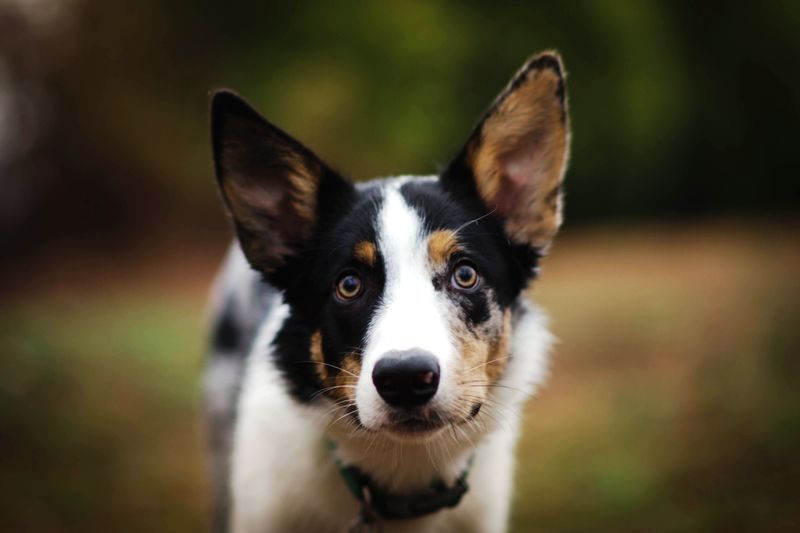 Dog Breeds
A border collie mix is the dog that herds the vacuum cleaner, works out how the back gate opens, and still looks at you expectantly at nine at night. Crossing the breed with a Labrador, a poodle, or a corgi softens some of that and sharpens other parts of it, in ways that turn out to be reasonably predictable once you know what each parent brings.
What no one can predict is which half of the gene pool a puppy drew from, and littermates out of the same cross can turn into quite different dogs. Still, the twelve crosses below are the ones that show up most often in shelters and in breeders' litters, and each pairing pulls size, coat, energy, and daily workload in a direction you can plan around. The parent breed itself sits at the top of this ranking of the smartest dog breeds.
Herding Instincts and Traits That Carry Over
Most border collie crosses inherit high intelligence, a strong herding instinct, and a need for daily physical and mental work. They typically stand 18 to 22 inches tall, weigh 30 to 55 pounds, and live 12 to 15 years. Coat length and shedding shift with the other parent, but the drive to have a job rarely dilutes much, even in crosses with calmer breeds.
Energy and Exercise Needs by Size
Exercise needs track the other parent, though the collie side sets the floor. Distance alone will not do it: these dogs need to problem solve, not just cover ground. As a rough guide:
- Working or sporting breed (Aussie, Kelpie, Husky, Lab): two hours a day, some of it off leash or at speed.
- Scent or terrier breed (Beagle, Jack Russell): 90 minutes, plus secure fencing, because the nose overrides the recall.
- Guardian or giant breed (Great Pyrenees): 60 to 90 minutes at a slower pace, with care on growing joints.
Trainability and Mental Stimulation
Collie crosses learn fast, which cuts both ways: they pick up sit and stay in a handful of repetitions, and counter surfing just as quickly. Short, frequent sessions beat long ones, and most take happily to scent work, tricks, and dog sports.
An under-stimulated collie cross invents a job, usually barking, digging, or chewing the skirting boards. Rotating these boredom busters for dogs through the week keeps that brain occupied on the days when the weather wins.
Coat Type, Shedding and Grooming
Border collies carry a double coat that sheds steadily and blows out seasonally, so crossing with another double-coated breed makes shedding heavier, not lighter. Cross with a poodle and the coat may come out curly and low shedding, or it may not. Plan on brushing two or three times a week, daily during a seasonal shed, and a groomer every six to eight weeks for a non-shedding coat. No border collie cross is hypoallergenic, whatever a puppy listing says.
12 Popular Collie Crosses, Breed by Breed
Border Aussie (Australian Shepherd Cross)
Two herding breeds with the same job description, which makes this the most intense cross here and the easiest to predict. Expect 35 to 55 pounds, a heavy double coat, frequent merle coloring, and 12 to 15 years of needing real work. Both parents rank among Australia's most popular dog breeds.
Suitable for: experienced owners doing agility, herding, or serious daily training.
Borador (Labrador Retriever Cross)

The Labrador side brings a softer temperament and more tolerance for noise and handling, the easier option for a first collie-type dog. Expect 40 to 60 pounds, a short coat that sheds year round, a pull toward water, and 10 to 14 years.
Suitable for: active households wanting collie brains with less edge.
Golden Border Retriever (Golden Retriever Cross)

Sweet natured, people focused, and usually the most biddable cross here, living 10 to 14 years at 45 to 65 pounds. The golden parent dilutes the herding stare and adds a feathered coat to brush. This cross does well around children, alongside the best dog breeds for kids, once the herding nudge is redirected.
Suitable for: families who want an affectionate dog and will still walk it twice a day.
Bordoodle (Poodle Cross)

The two smartest breeds in one dog, as much a warning as a selling point. Coat is the gamble: curly and low shedding means professional grooming for life, while a wavy coat still sheds. Size swings with the poodle parent, from 25 to 60 pounds, across 12 to 15 years.
Suitable for: owners wanting less hair who will commit to grooming and daily brain work.
Shollie (German Shepherd Cross)

A large, serious, strongly bonded dog with a work ethic that outstrips both parents. Expect 55 to 80 pounds, a dense shedding coat, guarding instinct that makes early socialization non-negotiable, and 10 to 13 years. Both parents carry hip and elbow risk.
Suitable for: experienced handlers with time for structured training and a job to give.
Border Heeler (Australian Cattle Dog Cross)

Tough, driven, and the hardest of these crosses to tire out, with a heel-nipping habit that takes patient redirection. Expect 35 to 50 pounds, a short weather resistant coat, and a long working life of 12 to 16 years. Cross that cattle dog with a corgi instead and you get the cowboy corgi.
Suitable for: rural properties, dog sports, and owners who genuinely enjoy a challenge.
Border Husky (Siberian Husky Cross)
Striking to look at and the least biddable here, because husky independence pulls against collie eagerness to please. Expect 40 to 55 pounds, a coat that sheds dramatically twice a year, a vocal escape artist, and 12 to 15 years. Recall is often unreliable for life.
Suitable for: cool climates, secure yards, and owners happy to keep the dog on leash.

Borgi (Corgi Cross)

Collie drive on short legs, charming until you notice the energy did not shorten with them. Expect 25 to 40 pounds, a heavy shedding coat, 12 to 15 years, and a long backed build that needs weight watched and furniture jumping discouraged.
Suitable for: smaller homes that can still deliver a high energy dog's exercise.
Border Beagle (Beagle Cross)

A cheerful, sturdy, often tricolored dog pairing a working nose with a working brain, so scent games are the outlet. The beagle side brings stubbornness, a carrying bark, and a habit of following a smell through an open gate. Expect 25 to 40 pounds and 12 to 15 years.
Suitable for: secure yards, scent work, and households that do not mind a vocal dog.
Border Pyrenees (Great Pyrenees Cross)
The one cross that can genuinely come out calmer, because livestock guardian independence tempers collie urgency. Expect 60 to 90 pounds, a thick white-marked coat, slow growth, and an instinct to patrol and bark at night. Lifespan is shorter at 10 to 12 years.
Suitable for: acreage, cooler climates, and owners who want presence over speed.
Border Kelpie (Australian Kelpie Cross)

Common on Australian farms and in shelters there, and frequently the fittest dog in any room. Expect a lean 30 to 45 pounds, a short coat needing little grooming, 12 to 15 years, and stamina that outlasts almost any owner.
Suitable for: farm work, running or cycling partners, and committed dog sport homes.
Border Jack (Jack Russell Terrier Cross)
Famously the fastest dog in flyball, this cross packs collie focus into a 20 to 35 pound frame with terrier tenacity on top. Coats run smooth or broken and shed moderately. Expect a dog that digs, chases small animals, and keeps going into old age, across 12 to 16 years.
Suitable for: flyball and agility homes that want a compact dog with no off switch.
Matching a Crossbreed to Your Home and Routine
Apartment Living Versus Acreage
Apartment life is possible with the smaller crosses, and only when the exercise and training happen without fail. A Borgi or Border Jack can be content in a flat; a Border Heeler or Border Kelpie usually cannot. Outdoor space matters less than people assume, since a quarter acre yard entertains none of these dogs by itself. Acreage helps because it offers a job.
Families With Young Kids and Other Pets

Herding instinct aimed at a running, shrieking toddler looks like circling and heel nipping, and it frightens children even when the dog means nothing unkind by it. The gentler crosses, the golden and Labrador pairings especially, handle family chaos best. Teach an interrupt cue early and give the dog a bed the kids cannot reach. With cats, watch for the stare and stalk sequence.
Health Conditions and Lifespan in Collie Crossbreeds
Crossbreeding widens the gene pool, but a cross can inherit the risks of both parents rather than neither.
Hip and Eye Screening for Parent Breeds
Hip dysplasia runs in border collies and in most of the breeds they are crossed with, so ask for hip scores on both parents. Eyes matter just as much: collie eye anomaly and progressive retinal conditions are documented in border collies, Australian shepherds, and Shetland sheepdogs, which covers several of the crosses above. The Merck Veterinary Manual's overview of inherited retinal conditions in collie breeds is a useful primer before you talk to a breeder.
MDR1 is also worth naming: a gene variant common in herding lines that changes how a dog processes certain everyday drugs, including some wormers and anesthetics. A cheek swab tests for it, and the result protects your dog at the vet.
What Merle to Merle Breeding Means

Merle coats are popular, and several of these crosses produce them readily. Breeding two merle parents together is another matter: some of those puppies inherit two copies of the merle gene and face a high risk of deafness, eye defects, and blindness, usually alongside a mostly white coat.
No responsible breeder pairs two merles. If a litter is advertised with two merle parents, walk away, however lovely the photos are. At 12 to 15 years these dogs are a long commitment, and it is worth seeing what that looks like in human years before deciding.
Adopting a Herding Cross From Rescue
Shelters are full of these dogs, almost always for the same reason: someone chose the brains and the coat without the two hours a day. That is good news for adopters, because a cross surrendered for being too much dog is often well behaved in a home that exercises it. This honest look at adopting a rescue dog is worth reading first.

Questions to Ask About an Unknown Mix
Shelter breed labels are guesses, so ask about behavior instead of pedigree. How does the dog handle being left alone? Has it been seen around livestock, cats, or young children? Does it startle at noise, and how long does it take to settle? A foster carer who has lived with the dog for six weeks will tell you more than any DNA test.
Setting Up for a Smart, High Energy Dog
Before the dog comes home, settle three things: who walks it on the worst week of the year, what the daily mental work will be, and how the yard is secured. Nearly every cross here can climb, dig, or outsmart a latch, so for the ones that bolt, one of these GPS dog collars turns a frightening hour into a five minute walk. Get that right and you have a clever, devoted dog that meets you more than halfway for the next decade.
Related Reading


Share a thought, ask a question, or tell us about your own dog. We read every comment.