


Can Dogs Eat Carrots? A Crunchy, Low-Calorie Yes
 Dog Nutrition & Diet

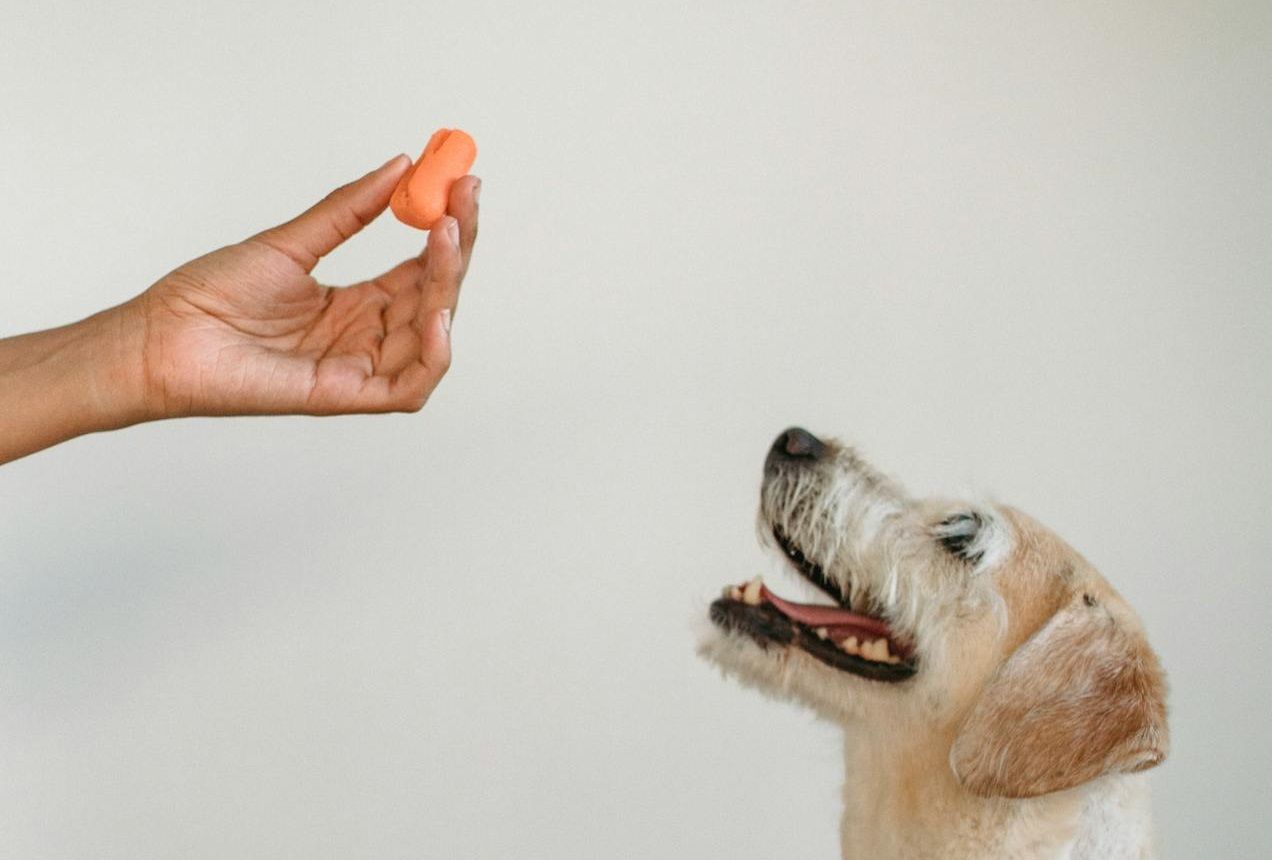
Few treats are as cheap, crunchy and forgiving as a carrot, which is why so many training pouches end up with a few baby carrots tucked inside. So, can dogs eat carrots? Yes. Raw, cooked or frozen, plain carrots are safe for most dogs and one of the lightest snacks you can share. The only real care points are the size of each piece and anything added in the kitchen.
Are Carrots Good for Dogs?
Carrots are good for most dogs as a snack. They are low in calories and fat, high in water and fiber, and rich in beta-carotene, which the body turns into vitamin A for eyes, skin and coat. Dogs can have carrots raw, cooked or frozen, as long as they are plain and cut small enough to swallow safely.
Beta-Carotene, Fiber and Vitamin K in Every Crunch
A medium carrot holds only about 25 calories, along with fiber for regular digestion, vitamin K, potassium and plenty of beta-carotene. A dog on a complete and balanced food already gets what it needs, so think of carrots as a wholesome bonus rather than a supplement.
A Low-Calorie Swap for Store-Bought Dog Treats
Fifty grams of raw baby carrots, roughly four or five, comes to under 20 calories. That makes carrots a useful swap for richer biscuits when a dog needs to trim down, alongside a vet-led plan; this look at pet obesity and the fat pet gap shows why that matters.
Carrots also bake beautifully into these homemade dog treat recipes, where you control every ingredient.
Carrots and Your Dog's Teeth
Chewing a raw carrot gives teeth a gentle scrub, but it will not remove tartar or replace brushing. Carrots are a bonus on top of proper dental care for dogs, not a substitute for it.
For more ideas between vet cleanings, see these natural ways to support your dog's oral health.
Raw, Cooked, Frozen or Canned Carrots for Dogs
Raw Carrots: Safe, With the Right Cut
Raw carrots are safe and keep their full crunch. The risk is the shape: a whole carrot or a thick round can lodge in the throat or, if gulped, cause an intestinal blockage. Cut thin rounds or small sticks for small dogs, halve baby carrots lengthways, and always supervise. Flat-faced breeds and enthusiastic gulpers do best with grated or cooked carrot.
Raw carrot also fits neatly into a home-prepared bowl, and this guide to the raw food diet for dogs covers how vegetables are balanced in it.
Cooked Carrots for Softer Mouths
Steamed, boiled or baked carrots are softer, easier for seniors and dogs with sore teeth, and light cooking makes beta-carotene easier to absorb. Cook them completely plain. Butter, oil, salt and seasoning do not belong in a dog's portion, and carrots cooked with onions or garlic should never be shared.
Frozen Carrots for Teething and Hot Days
A chilled carrot stick can soothe a teething puppy's gums and makes a cool chew on warm days. Very hard frozen pieces can chip worn or damaged teeth, so offer smaller pieces to seniors and skip them for dogs with dental problems. For more ideas, try these frozen dog treats for hot days.
Canned Carrots: Rinse and Read the Label
Canned carrots are not toxic, but many are packed with added salt and some with sugar. If canned is all you have, choose a no-salt-added variety, rinse well and serve a small amount. Fresh or plain frozen carrots are always the better choice.
Carrot Tops and Peels
The leafy green tops are not toxic, but they are bitter and can upset a sensitive stomach, so they are best left off. The peel is safe; simply wash carrots well, or peel them if they are not organic.
How Many Carrots Can a Dog Eat?
Veterinary nutritionists recommend keeping all treats under 10 percent of a dog's daily calories. Carrots are low in calories, so most healthy dogs can have a few pieces daily, but too much fiber at once can still cause gas or loose stools.
Carrot Serving Sizes by Dog Size
- Toy dogs under 10 lb (4.5 kg): one or two baby carrots, cut small
- Small dogs, 10 to 20 lb (4.5 to 9 kg): two or three baby carrots
- Medium dogs, 21 to 50 lb (9.5 to 23 kg): three or four baby carrots
- Large dogs, 51 to 90 lb (23 to 41 kg): four or five baby carrots, or one small carrot
- Giant dogs over 90 lb (41 kg): up to one large carrot
Start with a single piece the first time and watch the next day's stools before offering more.
Can Puppies Have Carrots?
Yes, once a puppy is eating solid food. Grate carrot or cut it into pieces no bigger than a fingernail, and supervise every chew. A chilled stick can ease teething. Growing puppies need nearly all of their calories from a complete puppy food, and this roundup of the best dry dog food is a good place to compare options.
When to Skip or Limit Carrots
Carrots carry some natural sugar, so dogs with diabetes, dogs on a prescription diet and dogs with trouble chewing or swallowing should only have them with their vet's approval. If carrots bring on gas, vomiting or diarrhea, stop and check in with your vet; a dog with ongoing stomach sensitivity often does better with changes to the everyday bowl.
Carrot Cake, Glazed Carrots and Other Carrot Foods to Avoid
- Carrot cake and muffins, which are sugary and may contain raisins, nutmeg or sugar-free sweeteners
- Glazed, candied or buttered carrots
- Carrots roasted with garlic, onion or heavy seasoning
- Sweetened carrot juice and carrot snacks made for people
Anything labeled sugar-free can hide xylitol, which is toxic to dogs, so read every label.
Glazed carrots are a holiday regular, and a few steamed carrots set aside before the honey and butter go on make a lovely share instead. The guide to sharing Thanksgiving dinner with your dog covers the rest of the meal the same way.
Carrot Dog Treat Ideas Worth Making
Grated carrot stirred into dinner adds crunch and color. A carrot stick with a thin smear of xylitol-free peanut butter is a favorite reward. For birthdays, this apple and carrot dog birthday cake is made with dog-safe ingredients.
Carrots also pair well with fruit; this guide to strawberries for dogs covers another easy, colorful snack.
Keeping Carrots a Happy Habit for Your Dog
Wash them, cut them to suit your dog's mouth, keep them plain and count them as treats. Handled that way, carrots are one of the simplest everyday rewards to share. For more practical everyday ideas, Serena Faber-Nelson's book Dog Mama: 200 Tips for Stylish Dog Owners is full of them.
Sources
- UC Davis School of Veterinary Medicine: Treat Guidelines for Dogs
- VCA Animal Hospitals: Dog Treats
- Merck Veterinary Manual: Gastrointestinal Obstruction in Small Animals
Related Reading


Share a thought, ask a question, or tell us about your own dog. We read every comment.