


Can Dogs Eat Watermelon? Red and Yellow
 Health & Wellbeing

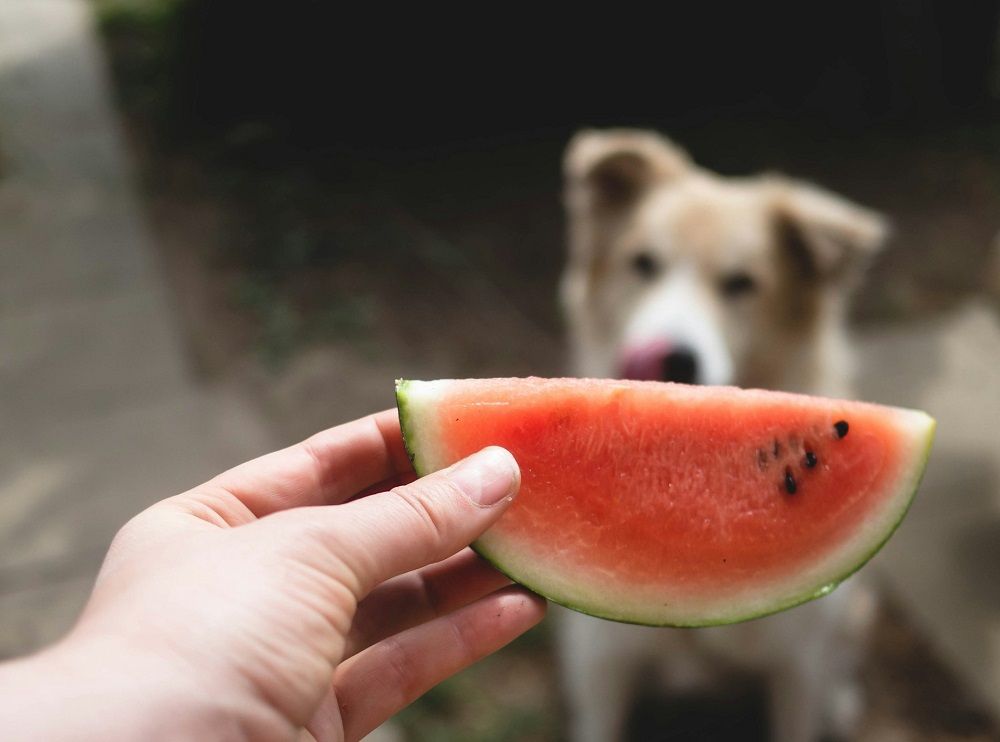
Watermelon is about 92 percent water, which makes it one of the few treats that is half snack, half drink. So, can dogs eat watermelon? Yes. The juicy flesh, red or yellow, is safe for most healthy dogs in small, seedless, bite-sized pieces, as long as the rind stays out of the bowl.
It sits comfortably alongside these homemade dog treats on a warm day.
Is Watermelon Safe for Dogs?
Watermelon is safe for most dogs as an occasional treat. Offer only the soft flesh, cut into small cubes, with the green rind removed and the hard black seeds picked out or a seedless melon chosen. It is not toxic, low in calories, and mostly water, but its natural sugar means a few pieces at a time is plenty.
Black Seeds, White Seeds and Seedless Watermelon
The mature black seeds are the ones to remove. One or two swallowed by a large dog will usually pass, but a mouthful can upset the stomach, and in small dogs they can add up to a blockage. The pale, soft seeds in seedless melons are immature and generally fine.
Why the Rind Stays on the Cutting Board
The rind is not poisonous, but it is tough and fibrous, and dogs rarely chew it well. A swallowed chunk can cause vomiting or diarrhea, or lodge in the intestine.
Dogs Who Should Skip Watermelon
Dogs with diabetes should only have this sweet fruit with their vet's approval, and dogs on a prescription diet or elimination trial should skip extras altogether.
A tummy that is often unsettled may do better with these dog foods for a sensitive stomach than with new treats.
Dogs who react to new foods deserve a slower start, as these dog foods for allergies explain.
Can Dogs Have Yellow Watermelon?
Yes, dogs can have yellow watermelon. It is the same species as the familiar red melon, with the same water content, a similar calorie count, and the same rules: flesh only, seeds out, rind off, small portions.
Red vs Yellow Watermelon: What Changes for Your Dog
Only the color and the taste. Yellow flesh has little of the lycopene that makes red watermelon red, and many people find it sweeter, with a honey-like note. Neither changes how safe it is or how much a dog should have.
Honeydew, Cantaloupe and Other Melons for Dogs
Honeydew and cantaloupe are also safe in small, peeled, deseeded pieces. They carry a little more sugar per bite than watermelon, so keep portions slightly smaller.
For a lower-sugar swap, hulled strawberries for dogs are a lovely rotation.
Peeled mango for dogs is a sweeter occasional change.
Is Watermelon Good for Dogs?
In small amounts, yes. A 1-inch cube weighs about half an ounce and carries roughly 5 calories and 1 gram of sugar, which is gentle next to most commercial treats.
- Water: about 92 percent, a refreshing extra on warm days.
- Vitamin C: a modest amount, though dogs make their own, so it is a top-up rather than a need.
- Fat: virtually none, so it suits dogs who need to avoid rich treats.
Watermelon, Hot Days and Hydration
Watermelon adds a little fluid, but it never replaces the water bowl. This guide to how much water a dog should drink shows what a normal day looks like.
On the hottest afternoons, shade and timing matter far more than any treat, as these summer safety tips for dogs explain.
How Much Watermelon Can a Dog Have?
Veterinary nutritionists at UC Davis keep all treats, fruit included, to no more than 10 percent of a dog's daily calories. Tufts puts two watermelon balls at about 10 calories, so the sugar and the stomach set the limit, not the calories.
Watermelon Portions by Dog Size
- Toy (under 10 lb): 1 to 2 small cubes, diced finer for Chihuahuas and Maltese.
- Small (10 to 25 lb): 2 to 3 cubes.
- Medium (25 to 50 lb): 3 to 5 cubes.
- Large (50 to 90 lb): 5 to 8 cubes.
- Giant (over 90 lb): up to about a cup of cubes.
Start at the low end and cut smaller for flat-faced breeds such as Pugs and Frenchies, and for enthusiastic gulpers of any size.
Watermelon for Puppies and Senior Dogs
Weaned puppies can try one tiny seedless piece once they are settled on solid food. Introduce one new food at a time and watch for loose stools. Soft watermelon is kind to older teeth, but seniors with health conditions should get the vet's approval first.
How to Serve Watermelon to Your Dog
Fresh Cubes and Frozen Watermelon Treats
- Wash the melon before cutting, then slice away all the rind.
- Pick out black seeds as you go, or choose seedless.
- Serve small cubes fresh, chilled, or frozen on a hot day.
- Blend and freeze in an ice cube tray for a mess-free pupsicle.
For more cold ideas, these frozen dog treat recipes are easy to adapt with watermelon.
A spoonful of plain, unsweetened yogurt blended with the fruit makes a creamier version. This guide to yogurt for dogs covers which tubs are safe.
Watermelon Products to Avoid
Skip watermelon candy, sorbet made for people, watermelon-flavored yogurt, and sweetened juice. Light or sugar-free products may contain xylitol, which is toxic to dogs, so read every label.

Swallowed Rind or Too Much Watermelon: Signs to Watch
If your dog steals a piece of rind or a handful of seeds, call your vet, even if they seem fine, and do not try to make them vomit at home. Watch for:
- Repeated vomiting
- Belly pain or a hunched posture
- Refusing food
- Straining with little or no stool
- Unusual tiredness
Too much flesh usually means diarrhea or gas rather than an emergency. These home remedies for dog diarrhea cover gentle care, and when it is time to call.
FAQ
Frequently asked questions
1Is watermelon poisonous to dogs?
No. Watermelon flesh is not toxic to dogs, and neither is the rind. The risks are physical: rind and black seeds can upset the stomach or block the gut, and too much fruit causes diarrhea. That is very different from grapes, which are toxic to dogs even in small amounts.
2How often can dogs have watermelon?
Two or three times a week suits most healthy adult dogs, as long as each serving fits the size guide and the 10 percent treat allowance. A daily cube will not harm a healthy dog, but rotating fruits keeps sugar in check and keeps things interesting for a curious nose.
3Can dogs drink watermelon juice?
A spoonful of fresh, unsweetened watermelon juice over dinner or frozen into ice cubes is fine. Bottled juices and drinks usually contain added sugar, other fruits, or sweeteners, so skip them. Whole cubes also keep the fiber that juice leaves behind, which makes them the better everyday choice.
Sharing Watermelon With Your Dog
Seedless, rind-free and cut to size, watermelon is one of the simplest summer treats to share, with the scraps kept in a lidded bin.
For another soft, easy fruit, bananas for dogs follow similar rules.
Sources
- UC Davis Veterinary Medical Teaching Hospital, Nutrition Service. Treat Guidelines for Dogs.
- USDA FoodData Central. Watermelon, raw (FDC ID 167765).
- Tufts Cummings School of Veterinary Medicine, Petfoodology. Harmful vs Healthy Foods for Pets.
Related Reading


Share a thought, ask a question, or tell us about your own dog. We read every comment.