


Can Dogs Eat Bananas? Yes, a Slice at a Time
 Dog Nutrition & Diet

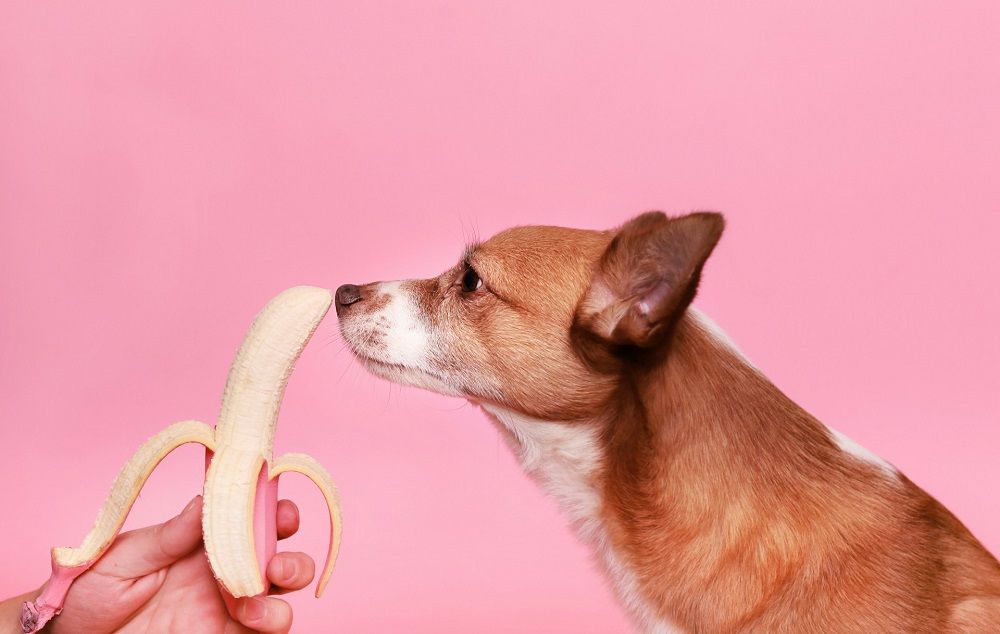
Bananas are one of the few fruits in the kitchen with no toxic part at all, which is reassuring the moment a slice slips off the chopping board and straight into a waiting mouth. So, can dogs eat bananas? Yes. Peeled, sliced and offered in small amounts, banana is a gentle, naturally sweet treat that most dogs adore. The care is all in the portion, the peel and the banana foods that only look harmless.
Bananas sit alongside apples and blueberries in this guide to the best fruits for dogs, but they are sweeter than most, so they deserve a closer look.
Are Bananas Good for Dogs?
Bananas are safe for most healthy dogs and can be a good treat in moderation. They offer potassium, fiber, vitamin B6 and vitamin C, with very little fat or salt. Because bananas are high in natural sugar, they work best as an occasional reward of a few thin slices, never a daily meal topper, and the peel should always be removed first.
Potassium, Fiber and Vitamin B6 in Every Slice
A medium banana holds roughly 105 calories, about 3 grams of fiber and a generous dose of potassium, which supports muscles and nerves. It also brings vitamin B6, vitamin C and a little magnesium.
A dog on a complete and balanced food already gets everything it needs, so think of banana as a wholesome alternative to fatty or salty snacks rather than a supplement.
The Natural Sugar Catch
That same medium banana carries around 14 grams of natural sugar. For a ten-pound dog, that is a lot of sweetness in one go. Regular sugary extras add calories quickly, and extra weight is one of the most common health problems in companion dogs, as this look at pet obesity and the fat pet gap shows.
How Much Banana Can a Dog Have?
Veterinary nutritionists use a simple rule: treats of every kind, fruit included, should stay under 10 percent of a dog's daily calories, with the other 90 percent coming from complete food. An eighth of a cup of mashed banana is about 25 calories, so the allowance runs out faster than most people expect.
Banana Serving Sizes by Dog Size
Use slices about a quarter of an inch thick and treat these as upper limits, not targets:
- Toy dogs under 10 lb (4.5 kg): one or two thin slices
- Small dogs, 10 to 20 lb (4.5 to 9 kg): two or three slices
- Medium dogs, 21 to 50 lb (9.5 to 23 kg): three to six slices
- Large dogs, 51 to 90 lb (23 to 41 kg): a small handful of slices
- Giant dogs over 90 lb (41 kg): up to half a banana
The very first time, offer a single bite and watch for loose stools over the next day before sharing more.
How Often Bananas Fit Into a Dog's Week
A few times a week is plenty for most dogs, with other treats trimmed back that day. A busy working Kelpie burns through extras far faster than a lap-loving Cavalier, and weight-prone breeds such as Pugs and French Bulldogs do best with the smallest portions.
How to Serve Bananas to Dogs Safely
Always peel the banana, then cut it smaller than your dog could gulp. Ripe, yellow bananas with a few brown freckles are the easiest to digest. Green, unripe bananas are starchier and more likely to cause gas, and anything moldy belongs in the compost.
Fresh, Mashed and Frozen Banana Dog Treats
- Fresh slices make simple training rewards, especially cut into tiny pieces.
- Mashed banana stirred into dinner or spread thinly on a lick mat turns a small portion into a slow, calming treat.
- Frozen banana feels like something new on warm days, and these two-ingredient frozen banana dog treats take only minutes.
- Banana and peanut butter is a classic pairing; just choose a xylitol-free jar, as in these peanut butter banana dog treats.
Any banana inside a stuffed toy or baked treat still counts toward the serving sizes above.

Image: Unsplash
Homemade Banana Dog Treat Recipes
Baking at home means you control every ingredient. These soft homemade banana dog cookies use oats and nut butter with no added sugar.
For something prettier, this pink banana and beetroot dog treat recipe bakes into bright little bites that are lovely for birthdays.
Bananas for Puppies and Senior Dogs
Can Puppies Eat Bananas?
Yes, once a puppy is fully weaned and eating solid food. A growing puppy needs nearly all of its calories from a complete puppy food, so keep banana to one or two tiny pieces, introduce it on its own, and watch for soft stools. Soft, freshly baked options such as these banana almond biscuits for puppies suit little teeth, given sparingly.
Mashed Banana for Senior Dogs
Mashed ripe banana is easy for older dogs with sore gums or missing teeth, and it can tempt a fussy senior appetite. Check with your vet first if your older dog has diabetes, kidney disease or is on a prescription diet.
Banana Peels and Dogs: Keep Them in the Bin
Banana peels are not poisonous, but they are tough, fibrous and very hard for dogs to digest. A swallowed peel can cause vomiting and, especially in small dogs, an intestinal blockage, which is a genuine emergency. Keep peels in a lidded bin, out of reach of counter surfers.
What to Do If Your Dog Ate a Banana Peel
Stay calm and watch closely for the next 24 to 48 hours. Call your vet if you notice vomiting, straining to poop, loss of appetite, lethargy or a tender belly. If a small dog swallowed a large piece whole, call your vet straight away rather than waiting for signs.
When a Dog Eats a Whole Banana
A medium or large dog that polishes off a whole peeled banana will most likely have nothing worse than loose stools or wind. Offer fresh water and skip other treats for the day. A small dog, or any dog that ate the peel too, needs closer monitoring.
Banana Bread, Chips and Other Foods to Skip
The fruit is safe. Plenty of foods made from it are not.
Banana Bread and Baked Desserts
Banana bread is rich in sugar and fat, and recipes often include raisins, chocolate chips or nutmeg, all of which can harm dogs. This guide to which breads dogs can eat explains why sweet loaves are a firm no.
Banana Chips and Dried Banana
Store-bought banana chips are usually fried and sweetened, and even plain dried banana concentrates the sugar and can swell in the gut if swallowed whole. A frozen fresh slice is the better crunch.
Xylitol, the Hidden Danger
Sugar-free baked goods, some peanut and nut butters and sugar-free sweets may contain xylitol, also sold as birch sugar. In dogs it can trigger a sudden insulin surge and dangerously low blood sugar within 10 to 60 minutes. Vomiting, weakness, staggering, collapse or seizures after eating anything sweet means an urgent trip to the vet or emergency clinic.
Bananas for Dogs With an Upset Stomach
Bananas contain soluble fiber, and a small amount may help firm up slightly soft stools in some dogs. Too much, though, can cause the opposite: gas, diarrhea or constipation. Banana is not a treatment for diarrhea, and the sugar can make things worse. These home remedies for dog diarrhea cover the bland diet vets usually prefer, plus the warning signs that need a clinic visit.
If tummy trouble keeps returning, the regular bowl is usually the better place to make a change, and this list of dog foods for a sensitive stomach is a sensible starting point.
When Bananas Are Bad for Dogs
Diabetes, Weight and Kidney Concerns
Dogs with diabetes, dogs on a weight loss plan and dogs with kidney disease or other conditions managed through diet should only have banana if their vet agrees. The sugar and potassium can interfere with careful medical management.
Signs Your Dog Is Not Tolerating Banana
True banana allergies are uncommon, and most reactions simply mean the portion was too big. Stop offering banana and speak with your vet if you notice vomiting, diarrhea, excess gas, itching, hives or a swollen face. Facial swelling or trouble breathing needs emergency care.
What If Your Dog Doesn't Like Bananas?
Some dogs dislike the soft, slippery texture. Try a frozen slice, a smear of mashed banana inside a food toy, or simply move on: blueberries, apple slices without the core, and this guide to sharing mango with dogs offer other sweet options. No dog needs fruit to thrive.
FAQ
Frequently asked questions
1Is it okay to give a dog banana daily?
A healthy dog can, in very small amounts that fit inside the daily treat allowance, but a few times a week is a better habit. Bananas are higher in sugar than berries, and daily sweet extras make it easy to overshoot calories. Rotate banana with lower-sugar treats so it stays special.
2Can dogs eat frozen bananas?
Yes. Frozen banana slices are a cooling treat on hot days and last longer than fresh ones. Cut them small or let them soften for a few minutes so they are gentle on teeth, and never hand over a whole frozen banana, which is too big a portion and a choking risk.
3Can dogs eat green or overripe bananas?
Overripe bananas with brown spots are fine and easier to digest, though slightly sweeter, so keep portions small. Green, unripe bananas are starchier and more likely to cause gas or a grumbly stomach. Skip any banana that is moldy, fermented or has been sitting in the fruit bowl too long.
4Is banana with peanut butter safe for dogs?
Yes, as long as the peanut butter is plain and free of xylitol, also listed as birch sugar. Read the label every time, because recipes change. Peanut butter is very calorie dense, so a thin smear is enough, and the combined treat should still fit within your dog's daily allowance.
5Do bananas help dogs with constipation?
A small amount of ripe banana adds fiber and moisture that may help some dogs, but too much can make constipation worse. Fresh water, regular walks and a balanced diet matter more. If your dog strains for more than a day or two, or seems uncomfortable, call your vet.
Sharing Bananas With Your Dog, the Simple Way
Peel it, slice it thin, keep the portion small and save the banana bread for the humans. Handled that way, banana is one of the easiest and most affectionate treats to share, whether it is a frozen bite on a warm afternoon or a soft mash for an old friend.
Sources
- U.S. Food and Drug Administration: Paws Off Xylitol; It's Dangerous for Dogs
- UC Davis School of Veterinary Medicine: Treat Guidelines for Dogs
- VCA Animal Hospitals: Dog Treats
Related Reading


Share a thought, ask a question, or tell us about your own dog. We read every comment.