


11 Summer Safety Tips for Dogs on Hot Days
 Tips & Training

Dogs cool themselves almost entirely by panting, with only a few sweat glands tucked into their paw pads. An afternoon that feels lovely to a person can push a dog toward heatstroke fast, which is why summer safety tips for dogs matter long before the thermometer peaks.
The habits below keep the warm months joyful and safe.

Summer Dog Safety at Home: Water, Shade and Cooling
Keeping a dog safe in summer comes down to a few steady habits: fresh water at all times, shade or indoor cool through the hottest hours, walks moved to early morning and evening, and never leaving a dog in a parked car. Add paw checks, sunscreen and parasite prevention.
Fresh Water in More Than One Dog Bowl
Set out at least two bowls of cool, clean water in the shade, where they cannot be knocked over. Reluctant drinkers often lap up more when the water is a little more interesting, and these fruit infused waters for dogs are a gentle nudge.
Away from home, pack a collapsible bowl and a spare bottle of water. The dog bowls and feeding directory has travel-friendly designs.
Shade, Cool Floors and Air Conditioning
Shade moves with the sun, so check it at midday. On truly hot days the safest place is indoors, with cool tiles, a fan or air conditioning. Heat, humidity and play all push a dog’s thirst up, as this guide to dog water intake in hot weather explains.
Frozen Dog Treats for Hot Afternoons

A cold treat gives a dog something soothing to lick. These two-ingredient frozen banana dog treats take minutes to make and keep well in the freezer.
The 52 Weeks of Treats recipe eBook adds a season of summer pupsicles. Keep portions small, since treats still count toward the day's food.
Heatstroke in Dogs: Early Signs and First Aid
A dog's normal temperature is about 100 to 102.5°F (37.8 to 39.2°C). Above 103°F (39.4°C) is abnormal, and from around 106°F (41°C) heatstroke sets in. It is always an emergency.
Overheating Signs to Watch For
- Heavy, frantic panting or labored breathing
- Thick drooling, or gums that look dry, sticky or an unusual color
- Weakness, wobbling or reluctance to move
- Confusion or a glazed, faraway look
- Vomiting or diarrhea
- Collapse or seizures
Cooling an Overheated Dog on the Way to the Vet
Move the dog into shade or air conditioning and call the vet. Pour cool, not cold, water over the head, belly, armpits and paws, and let a fan carry the heat off. Skip ice packs and do not drape wet towels over the back, which trap heat. Go to the clinic even if your dog seems to recover.
A DIY dog first aid kit in the car, with water and your vet's number, makes those minutes calmer.
Dogs Most at Risk of Heatstroke
Flat-faced breeds such as Pugs, French Bulldogs, Boxers and Bulldogs cannot pant efficiently, so trouble starts at milder temperatures. Puppies, seniors, overweight dogs, thick coats and heart or breathing conditions all raise the risk. Humidity makes panting less effective for every dog. Build and coat make a real difference here, which is why the best dogs for hot weather tend to be lean, short coated and long muzzled.
Dog Summer Safety Tips for Walks and Paw Pads
Walk in the Cool of Early Morning and Evening
Walk early and late, and go shorter and slower when the air feels heavy. Fetch-loving dogs rarely stop on their own, so call the breaks for them.
The Seven-Second Pavement Test for Hot Paws
Asphalt, concrete, sand and artificial grass hold heat long after the air cools. Rest the back of your hand on the ground for seven seconds. If it is too hot to hold there, it is too hot for paw pads.
Stick to grass and shaded paths, and call the vet about limping or blistered pads. A natural paw balm helps against rough sand, and booties suit dogs who have practiced wearing them at home.
Hot Cars, Dog Sunscreen and Summer Coats
Never Leave a Dog in a Parked Car
A parked car is the most common cause of heatstroke in dogs. The temperature inside climbs within minutes, even in the shade with the windows cracked, so leave your dog at home for warm-day errands.
Dog-Safe Sunscreen for Noses, Ears and Bellies
Dogs with white or thin coats and pink noses burn just as people do. Apply a dog-safe sunscreen to the nose, ear tips and belly before long stretches outdoors. Choose one labeled for dogs, since some human formulas contain zinc oxide, which is harmful if licked off.
Brushing, Not Shaving, a Double Coat
A dog's coat insulates against heat and shields the skin from the sun, so skip the summer shave. A tidy trim is fine, and regular brushing to clear loose undercoat lets air move through the fur.
Summer Pet Safety Tips for Water, Bugs and Barbecues
Safe Swimming at Pools, Lakes and Dog Beaches

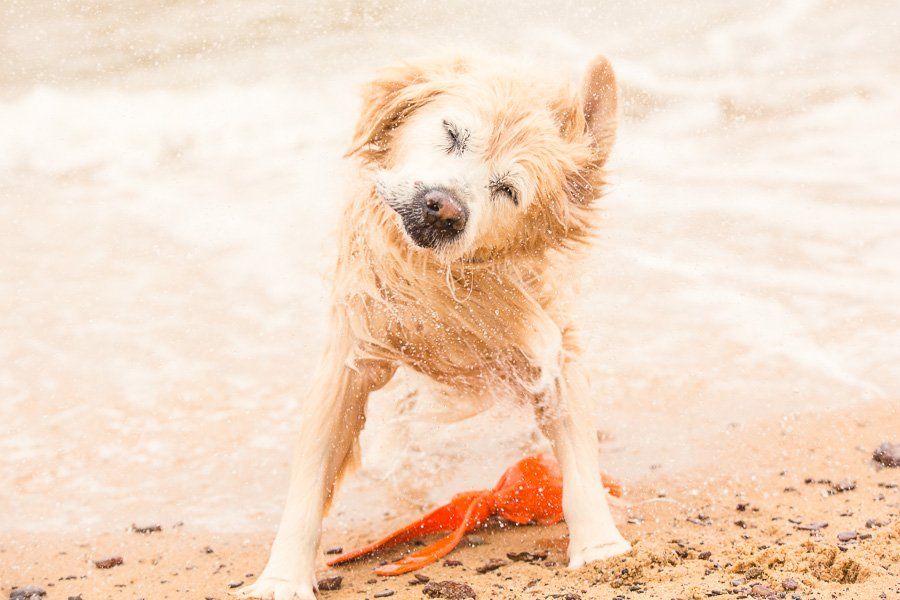
Not every dog is a natural swimmer, and even strong paddlers tire in waves. Introduce water gradually, never leave a dog alone near a pool, and use a life jacket on boats. Bring fresh water so your dog skips pool, sea and lake water, and rinse the coat afterward. Ears hold water too. Dry the flaps gently, and if one starts to smell, this guide on how to clean dog ears after swimming can help.
A sand anchor keeps the leash secured beside the beach umbrella. For coastal trips in Victoria, this guide to dog-friendly beaches in Gippsland covers off-leash spots and seasonal rules.
Flea, Tick and Snake Season
Warm weather brings parasites out in force, and in Australia the paralysis tick is the most dangerous. Check ears, armpits, toes and skin folds after walks, and see the vet straight away for labored breathing, coughing, vomiting or weak back legs.
This routine for flea and tick prevention for dogs is easy to remember. Snakes are active in summer too, so treat any suspected bite as an emergency.
Barbecue Scraps, Corn Cobs and Garden Sprays
Keep plates, skewers, bones and drinks up high and the trash sealed. A swallowed cob can block the intestines, as this guide on whether dogs can eat corn explains.
Citronella candles, insect coils and fertilizers belong out of reach, and sprayed lawns are best avoided until dry.
Summer Pet Care Tips for Every Heatwave
Check the forecast, carry water, walk at the edges of the day and watch how your dog is coping. These dog travel accessories cover collapsible bowls, life jackets and sun protection.
On the hottest afternoons, a batch of frozen dog treat recipes is a sweet way to wait it out together. If your dog's breathing, gums or energy ever worry you, call the vet without delay.

Sources
- VCA Animal Hospitals, Heat Stroke in Dogs
- ASPCA, Hot Weather Safety Tips
Related Reading


Share a thought, ask a question, or tell us about your own dog. We read every comment.