


Can Dogs Eat Gelatin? Skip the Jello
 Dog Nutrition & Diet

Gelatin hides in more corners of the kitchen than most dog parents realize: the envelope of unflavored powder in the baking cupboard, the bright dessert cups in the fridge, gummy vitamins, marshmallows, even the wobbly layer on chilled homemade broth. So, can dogs eat gelatin? Yes. Plain, unflavored gelatin is safe for most dogs in small amounts. The sweetened desserts made for people are a different story.
Here is how to tell the safe kind from the risky kind, how much to offer, and an easy broth treat to make.
Is Gelatin Safe for Dogs?
Plain, unflavored gelatin is safe for most healthy dogs in small amounts. It is a protein made from animal collagen and contains nothing toxic to dogs. The danger lies in flavored gelatin desserts, which add sugar, dyes and sometimes xylitol, a sweetener that can be deadly for dogs. Offer only plain powder, set in water or onion-free broth, as an occasional treat.
What Gelatin Is Made Of
Gelatin comes from the collagen in the skin and bones of pigs, cattle or fish, dried into a powder that sets liquid into a gel. It is almost pure protein, rich in glycine and proline, but it lacks tryptophan, an amino acid dogs need from food, so it can never replace meat or a complete diet.
Slow-simmered broth contains gelatin naturally, which is why it sets in the fridge and why broth appears among these superfoods for dogs as a moisture-rich topper.
Unflavored Gelatin vs Flavored Gelatin Desserts
The single-ingredient powder sold in envelopes is the only gelatin worth sharing. Dessert mixes and ready-made cups are mostly sugar, colors and flavorings. Read the label the same way as with yogurt for dogs: plain and unsweetened, or not at all.
Homemade jellies sweetened with fruit juice or honey for dogs are not toxic, but they still add sugar a dog does not need.
Why Jello and Sugar-Free Gelatin Are Risky for Dogs
A lick of a sugary dessert cup rarely does more than upset a tummy. Sugar-free versions are the real worry.
Xylitol in Sugar-Free Desserts and Gummies
Xylitol, also labeled birch sugar or wood sugar, turns up in some sugar-free jellies, desserts, gummies and candy. In dogs it triggers an insulin surge that sends blood sugar crashing, and the FDA warns signs can start within 20 minutes. Veterinary research links about 0.1 grams per kilogram of body weight to dangerously low blood sugar and about 0.5 grams per kilogram to liver failure, levels a small dog reaches quickly.
For an easy swap, these sugar-free dog treats skip sweeteners entirely.
Signs of Xylitol Poisoning in Dogs
- Vomiting
- Weakness, sluggishness or collapse
- Wobbly walking or trouble standing
- Shaking or seizures
My Dog Ate Jello or a Gelatin Packet: What to Do
Check the label first. If it lists xylitol or birch sugar, call your vet or an animal poison helpline right away, even if your dog seems fine, and do not make your dog vomit unless told to. A sugary, xylitol-free cup usually means mild stomach upset at most.
A raided envelope of plain powder is usually fine too, though a lot of dry powder can swell in the gut, so watch for vomiting or a lost appetite. Keep helpline numbers in a dog first aid kit so they are close at hand.
Gelatin Benefits for Dogs: What the Research Shows
Gelatin for Dog Joints and Arthritis Research
Most gelatin claims come from manufacturers, not dog studies. The most cited trial gave 15 dogs with osteoarthritis 10 grams of gelatin hydrolysate a day for eight weeks, against 15 dogs on a soy protein placebo, and owners of the gelatin group reported more energy and less stiffness. It was small, relied on owner questionnaires and used a processed hydrolysate rather than kitchen gelatin. A later review called the dog evidence preliminary.
In plain terms, a spoonful of gelatin is not a joint treatment, and stiffness in an older dog deserves a vet visit. This guide to caring for a senior dog covers the options with real support behind them.
Skin, Coat and Digestion Claims
Gelatin is often linked to a glossy coat and a settled gut, but dog studies on plain gelatin are lacking, and eating it does not deliver collagen straight to the skin. A complete and balanced food already supplies these amino acids. Its clearest uses are a little extra protein and a texture many dogs enjoy.
How Much Gelatin Can a Dog Have?
Treats should stay under about 10 percent of daily calories, and a level teaspoon of dry gelatin holds roughly 10. As a cautious guide, keep daily gelatin to these amounts of dry powder:
- Toy and small dogs (under 20 lb): up to 1/4 teaspoon
- Medium dogs (20 to 50 lb): up to 1/2 teaspoon
- Large dogs (over 50 lb): up to 1 teaspoon
Measure the powder, not the set jelly, which holds far less gelatin per spoonful. Start with half, a few times a week.
Side Effects of Too Much Gelatin
Too much can bring gas, bloating or loose stools. Pause if stools soften, and these home remedies for dog diarrhea cover gentle care while the gut settles.
Puppies and Dogs Who Should Skip Gelatin
Puppies need nearly all their calories from complete puppy food, so keep gelatin tiny or wait. Dogs with kidney disease, pancreatitis, a prescription diet or an allergy to beef, pork or fish need their vet's approval first, since gelatin comes from those animals.
Dogs whose digestion protests at anything new often do better with one of these dog foods for a sensitive stomach than with extras.
Homemade Gelatin Dog Treats With Broth
Simple Chicken Broth Gelatin Treats
- Sprinkle 1 envelope (about 2 1/2 teaspoons) of unflavored gelatin over 1/4 cup of cool low-sodium chicken broth with no onion or garlic, and let it soften for a few minutes.
- Heat another 3/4 cup of broth until steaming, then whisk it in until no granules remain.
- Stir in a little shredded plain cooked chicken or a spoonful of pumpkin for dogs, if you like.
- Pour into small silicone molds and chill for 2 to 3 hours until firm.
One envelope makes plenty of small cubes. Keep them in the fridge for up to four days, or freeze them alongside these frozen dog treats for hot days.
What If Your Dog Turns Down Gelatin Treats?
Some dogs find the wobble suspicious. Try a firmer set or a frozen cube. If your dog still says no, nothing is missing from their diet.
Sharing Gelatin With Your Dog
Plain powder, dog-safe broth and small portions cover almost everything, and the one label check that matters is xylitol. For more whole-ingredient ideas, these homemade dog treat recipes make a lovely next batch.
FAQ
Frequently asked questions
1Can dogs eat Knox unflavored gelatin?
Yes. Knox and other single-ingredient unflavored gelatin packets contain nothing but gelatin, so they are safe for most dogs in small amounts. Check that the box says unflavored rather than dessert mix, and set the powder in water or onion-free broth rather than serving it dry.
2Can dogs have gelatin every day?
A healthy adult dog can have a small daily amount within the guidelines above, as long as all treats stay under 10 percent of daily calories. A few times a week suits most dogs better, since gelatin adds little a complete diet lacks. Ask your vet about daily use.
3Can dogs eat marshmallows or gummy bears?
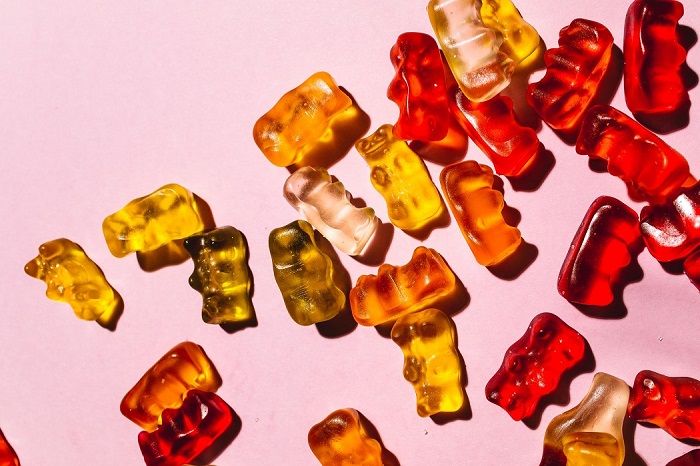
It is best not to. Both contain gelatin but are mostly sugar, and sugar-free versions may contain xylitol. A regular marshmallow or gummy rarely causes more than a sore tummy, but a sugar-free bag is an emergency. Check the label and call your vet if xylitol or birch sugar is listed.
4Can dogs eat jello shots?
No. Gelatin shots contain alcohol, which is toxic to dogs even in small amounts and can cause vomiting, wobbliness, low blood sugar and slowed breathing. Many also use flavored dessert mix. If your dog eats one, call your vet or an emergency clinic straight away.
5Is beef or pork gelatin better for dogs?
For a healthy dog, either works, since their amino acid profiles are nearly identical. The source matters for food allergies: a dog allergic to beef should avoid bovine gelatin, and fish gelatin may suit a dog who reacts to both beef and pork. Most labels name the source animal.
Sources
- U.S. Food and Drug Administration. Paws Off! Xylitol Is Toxic to Dogs.
- PubMed. Xylitol Toxicity in Dogs.
- Beynen AC, et al. American Journal of Animal and Veterinary Sciences. Oral Administration of Gelatin Hydrolysate Reduces Clinical Signs of Canine Osteoarthritis.
Related Reading


Share a thought, ask a question, or tell us about your own dog. We read every comment.