


Senior Dog Care, Day by Day
 Health & Wellbeing

A Great Dane can be a senior at six. A Chihuahua may not get there until eleven or twelve. Whenever the moment arrives for your dog, it tends to show up quietly: a longer nap after the morning walk, a pause at the bottom of the stairs, a little gray creeping across the muzzle. Good senior dog care is less about big changes and more about many small, kind adjustments that keep an older dog comfortable, curious and close to you. Older dogs have a few things to teach as well, like resting without guilt and enjoying a slow walk. These life lessons from dogs are worth borrowing at any age.
Below you will find when a dog counts as a senior, ten practical tips, a gentle daily routine and the changes worth mentioning to your vet.
When Is a Dog Considered a Senior?
Vets generally call a dog a senior once they reach about 75% of their expected lifespan. Because small dogs tend to live longer than big ones, that point arrives at very different ages.
- Giant breeds, such as Great Danes and Mastiffs: around five to six years
- Large breeds, such as Labradors and German Shepherds: around seven to eight years
- Medium breeds: around eight to ten years
- Small and toy breeds, such as Chihuahuas and Maltese: around ten to twelve years
Mixed breeds follow their size. This dog age calculator converts your dog's age into human years by size, which makes the senior stage easier to picture.
Signs Your Dog Is Entering the Senior Years
The calendar is only a guide. Slower starts in the morning, more time asleep, a thicker waist on the same food, cloudy eyes and less interest in long games of fetch are all signs that it is time to start caring for your dog a little differently.
10 Tips for Caring for Older Dogs
To care for a senior dog, book vet checkups every six months, feed a diet that keeps them lean, and support stiff joints with a soft bed, non-slip floors and short, frequent walks. Keep up with dental care and grooming, give their brain gentle daily puzzles, and watch for changes in appetite, thirst, mobility or behavior so problems are caught early. Appetite deserves the closest watch, because older dogs have little in reserve, so it helps to know how long a dog can go without food before a skipped meal turns serious.
Twice-Yearly Vet Checkups for Senior Dogs
Dogs age faster than people, so veterinary guidelines recommend a senior checkup at least every six months. Your vet will check weight, heart, eyes, teeth and joints, and may suggest blood and urine tests to catch kidney, liver or thyroid changes early. Mouths count too, and this guide to dog dental care covers brushing at home between visits.
Many insurers will not take on a dog past a certain age, so putting dog health insurance in place early keeps more options open later.
Senior Dog Food and a Healthy Weight
Older dogs usually need fewer calories but still need good quality protein to hold on to muscle. Senior formulas vary widely, since there is no single standard for what a senior diet must contain, so ask your vet which food suits your dog's health and activity level rather than switching on a birthday.
Small extras can help too, and these superfoods for senior dogs are easy to add to a bowl.
Weigh your dog on the same scale every couple of months. Extra weight is hard on aging joints, and an unexplained loss can be an early sign of illness. If the scale keeps creeping up, a lower calorie diet from this guide to the best dog food for weight loss can help.
If younger dogs share the house, feed your senior separately or at a different time so they can eat slowly without competition.
Joint Support and Arthritis Relief
Arthritis is common in older dogs and it hurts, even when a dog does not complain. Stiffness after rest or trouble on stairs is worth raising with your vet. One newer option is a monthly injection for arthritis pain, but read up on Librela side effects and talk them through with your vet before starting.
Among joint supplements, fish oil has the strongest research behind it, while the evidence for glucosamine and chondroitin is weaker. Supplements are not regulated like medicines, so choose a brand your vet trusts. Fish oil also adds calories, so it is not advised for dogs who are already overweight. Some owners like rose hip powder, and this Rose-Hip Vital Canine review explains how it is used.
Gentle Exercise for an Aging Dog
Movement keeps joints supple and muscles strong, so a senior dog still needs daily exercise, just in smaller pieces. Two or three short walks usually suit an older dog better than one long one. Let them set the pace, choose grass over pavement where you can, and allow plenty of time to sniff, which tires the brain as well as the body. Swimming is a kind option for dogs who enjoy water.
A Comfortable Bed and Easy-Reach Bowls
Older dogs sleep more, so where they sleep matters. A thick, supportive bed takes pressure off sore hips and elbows, and this roundup of the best dog beds includes orthopedic options.
Heavier seniors need firm foam, and these Australian made dog beds are built for that kind of support. Place beds away from drafts.
Raising food and water bowls a little can ease stiff necks and shoulders. Deep-chested breeds are the exception, so check with your vet first if your dog has that build. These dog bowls include elevated designs.
Keep favorite dog toys within easy reach of their bed, too, so a gentle chew or a soft toy to carry never needs a long walk to find.
Non-Slip Floors and a Safer Home
Tiles and polished wood are slippery for older legs, and one slide can strain a weak joint. Runners and rugs along your dog's usual paths make a big difference, and top-rated anti-slip dog socks help on smooth floors.
At the back door, this popular dog mat that also cleans your dog's paws adds grip as well as keeping muddy prints off the floor.
Ramps save joints on the way onto the couch or into the car, and a baby gate at the top of the stairs prevents falls. This senior dog essentials checklist rounds up the most useful helpers.
Dental Care for Aging Teeth
Gum disease is very common in senior dogs, and the long-term inflammation it causes can affect the rest of the body. Daily or near-daily brushing with a dog toothpaste, vet-approved dental chews and a professional clean when your vet advises it will keep the mouth comfortable. Bad breath, dropping food or chewing on one side are signs of a sore mouth.
Senior Dog Grooming Tips
Older dogs find it harder to clean themselves, so gentle brushing keeps the coat free of mats. A grooming session is also the best time to check the skin for dry patches or sores such as hot spots on dogs.
Run your hands over your dog's whole body each week and note any new lumps. Many are harmless fatty lumps, but anything that appears suddenly, grows quickly or feels hard should be checked by your vet.
Less exercise means nails wear down more slowly, and long nails change the way a dog stands and walks. Trim little and often, and if clippers make your dog nervous, this guide on how to use a dog nail grinder offers a calmer approach.
Brain Games to Keep an Older Dog Sharp
A busy mind helps an older dog stay engaged and settled. Sniffing games, hiding treats around a room, short training sessions with familiar cues and simple food puzzles are all within reach of a stiff body. These ways to mentally stimulate your dog include plenty of low-impact ideas.
Mealtime is an easy place to start, and slow feeder dog bowls turn dinner into a small puzzle.
Warmth, Water and Extra Bathroom Breaks
Older dogs feel the cold and the heat more. Keep them indoors in extreme weather, add a sweater on chilly walks if they have a thin coat, and avoid the hottest part of the day in summer. Fewer baths and an extra blanket by the bed help too, as these cold-weather tips for dogs explain. Put a water bowl on every floor of the house, and notice if your dog starts drinking much more than usual, since increased thirst can point to kidney, liver or hormone problems. Many seniors also need to go out more often, so offer an extra bathroom break before bed.

A Daily Routine for an Older Dog
Predictable days help an older dog feel secure, especially if their sight, hearing or memory is starting to fade. Here is a simple shape for the day that you can adapt to your dog's needs.
Morning Routine for a Senior Dog
- A slow start: let your dog stretch and wake up before heading outside
- A bathroom break, then breakfast and any medicines or supplements
- A short, easy walk with time to sniff
Midday Rest and Play for Older Dogs
- A long nap in a quiet, warm spot
- A bathroom break, especially if your dog is home alone
- Five to ten minutes of a brain game or a food puzzle
Evening Wind-Down for Better Sleep
- Dinner and a second gentle walk or garden wander
- A brushing session or a few minutes of calm cuddles
- A last bathroom break just before bed, with a night light if your dog is unsure in the dark
Keeping a Senior Routine Flexible
Routine should comfort, not confine. A dog fed at exactly the same minute every day can fret when life runs late, so keep the order of the day steady but let times shift a little, and rotate toys and walking spots. These boredom busters for dogs are handy for changing things up.
Changes to Watch in an Aging Dog
You know your dog better than anyone, which makes you the first to notice when something is off. Keeping a few notes between checkups helps your vet see the full picture.
Vision and Hearing Loss in Senior Dogs
A dog who startles when touched from behind, sleeps through the doorbell or bumps into furniture in dim light may be losing hearing or sight. Approach where they can see you, use hand signals alongside spoken cues, and keep furniture where it has always been, with a night light in the hallway.
Behavior Changes and Signs of Dementia
Night pacing, getting stuck in corners, new accidents in the house or forgetting familiar cues can all be signs of canine cognitive dysfunction. These dog dementia symptoms explain what to look for and how it is treated.
When to Call the Vet Before the Next Checkup
- Drinking or urinating much more than usual. This guide to normal water intake for dogs helps tell a real change from a warm week.
- Weight loss or gain you cannot explain
- A lump that is new, growing or changing
- Less interest in food, or trouble chewing
- Coughing, heavy breathing or tiring very quickly
- Limping, yelping when touched or reluctance to move
- Sudden confusion, anxiety or changes in sleep
Quality Time With Your Senior Dog
The golden years can be some of the sweetest. Keep doing the things your dog loves in a gentler form: a shorter trail instead of a long hike, a few close throws of the ball, a sunny spot in the park to sit together.
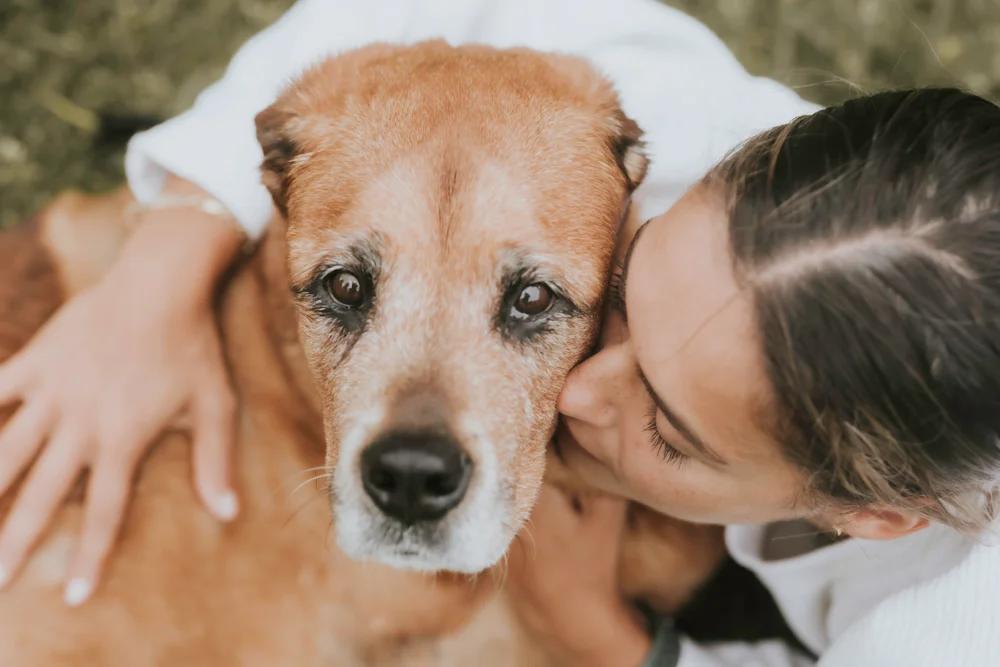
Take plenty of photos along the way. These senior pet photography tips help capture the soft gray muzzle and wise eyes you will treasure. With patience, comfort and a steady routine, your older dog can enjoy every one of these years at your side.
Need to speak to a vet now?

Talk to a licensed veterinarian in minutes with Vetster, the top-ranked pet health app available 24/7. Get professional guidance and receive a care and treatment plan, right from the comfort of your home. It's quick, convenient, and trusted by pet parents everywhere.
Sources:
- American Animal Hospital Association, 2023 AAHA Senior Care Guidelines for Dogs and Cats
- VCA Animal Hospitals, Senior Dog Care: Special Considerations
- Cornell Richard P. Riney Canine Health Center, How joint supplements can help with orthopedic conditions

Related Reading


Share a thought, ask a question, or tell us about your own dog. We read every comment.