


Mental Stimulation for Dogs Made Easy
 Health & Wellbeing
If your living room looks like a small storm passed through the moment you turned your back, your dog may not need a longer walk. They may need a job. Chewed shoes, 9 p.m. zoomies and endless pacing are often signs of a mind with nothing to do.
Mental stimulation for dogs is just as important as physical exercise, and it does not take hours or expensive gear. Below are 15 easy ways to mentally stimulate your dog, grouped into brain games at home, sniffing and outdoor adventures, and social and training ideas, plus how to adjust them for puppies and senior dogs. For even more DIY ideas, these dog enrichment ideas and boredom busters are a great companion read.
The best ways to mentally stimulate a dog are activities that make them think, sniff and solve problems: puzzle feeders, snuffle mats, hide-and-seek, short training sessions, new tricks and slow "sniffari" walks where they can explore at their own pace. Five to 10 minutes of brain work a few times a day is enough for most dogs, and it often tires them more than a longer walk alone.
Why Dog Mental Stimulation Matters
Dogs were bred to hunt, herd, guard and retrieve, and most modern pets have far less to occupy their brains than their ancestors did. Regular mental exercise helps burn energy, builds confidence, eases stress and gives natural behaviors like sniffing, chewing and foraging a healthy outlet.
Signs Your Dog Needs More Brain Work
A bored dog tends to find their own entertainment. Watch for destructive chewing, digging, excessive barking, attention-seeking nudges, restless pacing, evening zoomies or, in some dogs, the opposite: dullness and disinterest. Of course, sudden behavior changes can also have a medical cause, so check with your vet if something seems off.
How Much Mental Exercise a Dog Needs
Needs vary by breed, age and personality. A working breed like a Border Collie may crave several focused sessions every day, while a laid-back senior may be content with a daily sniff walk and a food puzzle. A good starting point is two or three short sessions of five to 10 minutes, adjusted to how settled your dog seems afterward.
Brain Games and Mental Exercises for Dogs at Home
These indoor mental activities for dogs are perfect for rainy days, busy weeknights and dogs who need calmer outlets.
Puzzle Feeders and Snuffle Mats

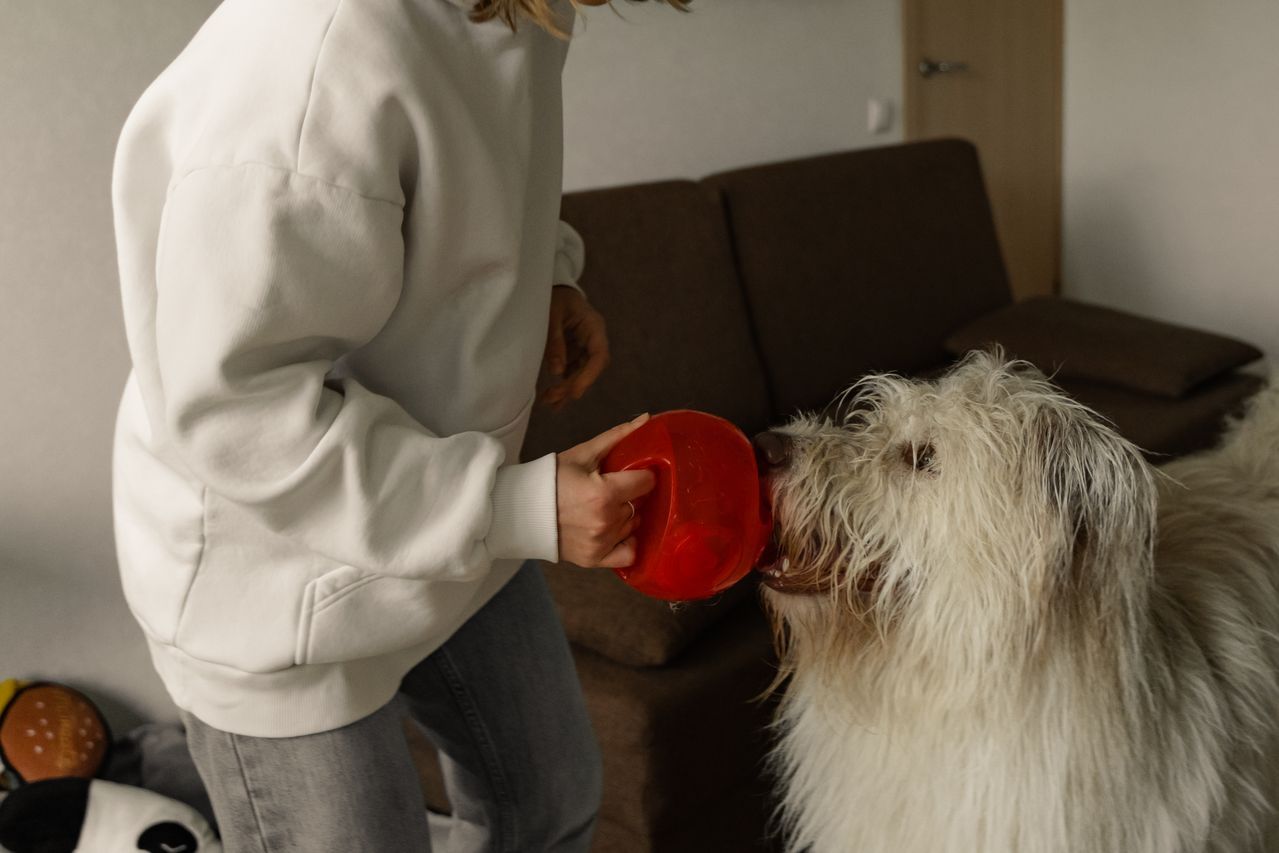
Serving part of your dog's meals in a puzzle feeder, lick mat or snuffle mat turns a 30-second gulp into real problem-solving. It also slows fast eaters down. Start with easy puzzles so your dog succeeds quickly, then increase the challenge. For a DIY version, place kibble in a muffin tin and cover each cup with a tennis ball. Supervise with any puzzle until you know how your dog handles it.
Hide-and-Seek and Find It Games

Ask your dog to stay, step out of sight, then call their name and celebrate when they find you. It is fun and quietly strengthens their recall. For "find it," let your dog watch you hide a treat in an easy spot, then say the cue and let them search. As they improve, hide treats around the room while they wait. The AAHA recommends these kinds of indoor enrichment games for stuck-at-home days.
DIY Agility Courses Indoors

Chairs draped with a blanket become a tunnel, a broomstick resting on two low boxes becomes a jump, and a row of cones or water bottles becomes weave poles. Lure your dog through slowly with a treat at first. Keep jumps low, especially for puppies and seniors, and use non-slip flooring. Learning to move through obstacles builds coordination and confidence.
New Tricks at Any Age
Teaching a trick is one of the simplest mental exercises for dogs, and the "old dog, new tricks" saying does not hold up. Once your dog knows sit, down and stay, try spin, high five, touch (nose to your hand) or tidying toys into a basket. Keep sessions short, reward generously with small training treats, and end while your dog is still keen.
Toy Rotation to Keep Things Fresh
A toy that is always on the floor soon becomes background. Put half your dog's toys away and swap a few back in each week, so old favorites feel new again. Aim for a mix of textures and types: plush toys, chews, tug toys and treat-dispensing toys. Check rotated toys for tears and loose squeakers before they go back into play, and retire anything that is falling apart.
Fetch and Tug With Simple Rules

Games turn into brain work when you add rules. Ask for a sit before each throw, or practice "drop it" in the middle of a tug game, then restart play as the reward. Tug played gently and side to side is safe and teaches impulse control. A long hallway works for fetch when the weather keeps you inside.
Sniffing and Outdoor Mental Activities for Dogs
A dog's nose is their greatest superpower, and letting them use it is some of the best mental stimulation for dogs there is.
Sniffari Walks
On a sniffari, your dog sets the pace and chooses where to stop. Processing scents takes real brainpower, which is why a slow 20-minute sniff walk can leave a dog more relaxed than a brisk hour. A long leash and a comfortable harness make it easier, and this dog harness buying guide helps you pick one that allows free movement. If pulling makes walks a struggle, these tips to stop leash pulling can help.

New Walking Routes and Surfaces

Even walking your usual loop in reverse changes the experience. Better still, try a new park, a beach, a forest trail or a quiet neighborhood with different surfaces underfoot and new smells to decode. Weekend trail days are a lovely treat, and these tips for hiking with dogs cover the basics.
Scent Games With Treats and Everyday Objects

Scatter a handful of kibble in the grass or a snuffle mat and let your dog forage. Indoors, hide treats under one of three upturned cups, or offer new, safe things to investigate, such as a friend's jacket, a pine cone from the park or an empty cardboard box. Skip scented products and essential oils, which can be harmful to dogs, and let natural smells do the work.
Car Rides to Somewhere New
For dogs who enjoy the car, a short drive to a new place is exciting on its own. Always use a crash-tested harness or secure crate, keep windows only slightly open, and never leave your dog alone in a parked car, even on a mild day. Even a quick trip to a dog-friendly store, a drive-through coffee stop or a friend's house gives your dog a flood of new sights and smells to process. If your dog gets anxious or carsick, keep drives short and pair them with something fun at the other end.
Dog-Friendly Trips and Holidays
A pet-friendly getaway brings a whole new world of sights, sounds and smells for your dog. Pack your dog's own bed and a familiar toy so they have a safe base, and keep the first day calm while they settle into the new surroundings. For proud dog mums and dads planning an upcoming adventure, reading up on a few helpful dog holiday tips can make the journey much smoother. Explore a little at a time, and build in quiet breaks so all that novelty stays exciting rather than overwhelming.
Social and Training Ideas to Entertain Your Dog
Wondering how to entertain your dog in a way that lasts? Connection and learning keep their minds busy long after the game ends.
Play Dates With Compatible Dogs

Play with a well-matched friend teaches dogs body language, boundaries and turn-taking, which is a lot of thinking. One-on-one dates with a dog of similar size and play style are often better than a busy dog park, especially for shy dogs. If your dog finds other dogs stressful, this guide to training a reactive dog is a better starting point than the park.
Positive Training Classes

A class adds new skills, a new place and the challenge of focusing around distractions, all in one hour. Look for trainers who use reward-based methods, which the American Veterinary Society of Animal Behavior recommends for all dog training. Scent work, rally and beginner agility classes are fun options once the basics are solid.
Small Changes to the Daily Routine
Routine helps dogs feel secure, but a little novelty keeps life interesting. Feed dinner in a different room or from a snuffle mat, move playtime to a new part of the day, or add a two-minute training game before the evening walk. Keep the big anchors, like meals and bedtime, steady.
Calm Quality Time Together

Not all stimulation is busy. A gentle brushing session, a relaxed massage or simply letting your dog lie beside you while you garden gives them your attention and security. Dogs who feel connected settle more easily, and a settled dog is much better at learning and play.
Mental Stimulation for Puppies and Senior Dogs
Brain games work at every age, but the right level of challenge changes as your dog grows.
Brain Games for Puppies
Puppies learn quickly and tire quickly. Keep sessions to a few minutes, focus on name recognition, easy "find it" games, gentle handling and meeting new people, sounds and surfaces calmly. Overexcited puppies often need a nap, not more activity. These early games also help you bond with your puppy from the very first week.
Gentle Mental Exercise for Older Dogs
Senior dogs still need something to think about, especially as long walks get shorter. Scent games, easy puzzles, slow sniff walks and revisiting familiar tricks keep an older mind engaged without straining joints. If your senior seems confused, restless at night or unusually withdrawn, mention it to your vet, as these can be signs of age-related cognitive changes.
Start with just one or two ideas from this list and build from there. A few minutes of brain work each day adds up to a calmer, more confident and happier dog.
FAQ
Frequently asked questions
1What is the best mental stimulation for dogs?
The best mental stimulation for dogs uses their nose and problem-solving skills. Sniff walks, snuffle mats, puzzle feeders, scent games and short training sessions are the most effective for most dogs. The ideal mix depends on your dog: working breeds often love training challenges, while scent hounds light up with foraging and nose work.
2Does mental stimulation tire a dog out?
Yes. Thinking, sniffing and learning use a lot of energy, so 10 to 15 minutes of brain games can leave many dogs as relaxed as a long walk. Mental and physical exercise work best together, though. A dog that gets both is usually calmer at home than one that only gets one or the other.
3How can I entertain my dog while I am at work?
Before you leave, give your dog a sniff walk and a short training game so they are ready to rest. While you are out, a frozen stuffed chew toy or a safe, durable puzzle can keep them busy for the first stretch. Save complex puzzles for when you are home to supervise, and consider a dog walker for long days.
4How long should dog brain games last?
Short and frequent works best. Aim for sessions of five to 10 minutes, two or three times a day, and stop while your dog is still enjoying it. Puppies and senior dogs may only manage a few minutes at a time. If your dog starts losing focus, barking at the puzzle or walking away, make the game easier.
5How do I know if my dog is bored?
Common signs of boredom include chewing furniture or shoes, digging, excessive barking, pacing, nudging you constantly for attention and bursts of evening zoomies. Some bored dogs become withdrawn instead. If adding daily mental exercise does not help, or the behavior appeared suddenly, check in with your vet to rule out pain or illness.
Related Reading


Share a thought, ask a question, or tell us about your own dog. We read every comment.