


Rose-Hip Vital Canine Review: Does It Work?
 Dog Product Reviews

The first sign is rarely dramatic. A slower climb onto the couch, a pause at the stairs, a dog who still wants the walk but takes the last block at half speed. Once that starts, the supplement shelf gets appealing fast, and Rose-Hip Vital Canine comes up again and again. If your dog is showing the early mobility changes that are easy to miss, this is the right moment to be reading.
What Rosehip Does for Dogs With Stiff Joints
Rosehip is the fruit left on the rose bush after the petals drop, and it carries both natural vitamin C and a galactolipid called GOPO. GOPO is the part that matters for joints. It appears to work by limiting the build up of white blood cells around inflamed tissue, the process driving swelling, pain and eventually cartilage wear. Rose-Hip Vital Canine is a single ingredient powder built around that compound, stirred into one meal a day.
Ordinary rosehip powder is not the same thing. The berries are grown in Denmark and put through patented extraction and drying, and it is that processing, not the fruit alone, which concentrates GOPO. Common heat and water processing strips much of the vitamin C out, so a generic powder from the health food aisle is no substitute. Worth knowing before you weigh natural joint supplements against glucosamine, because the two work through different pathways.
What the research shows in dogs, and what it does not
The brand cites more than 30 papers and nine clinical trials. That work is real, but the great majority of it was done in people. In human osteoarthritis the evidence is reasonably convincing: a meta-analysis of three randomized controlled trials found a small to moderate reduction in pain, with roughly one in six patients responding who would not have responded to placebo.
The canine evidence is thinner. One randomized, placebo-controlled trial in dogs, reported in a conference supplement of the journal Osteoarthritis and Cartilage, found a significant decline in total white blood cell count after three months. That is a credible inflammation marker, consistent with the proposed mechanism, but it is not a trial measuring whether dogs limped less. Anyone promising proven pain relief in dogs is borrowing confidence from the human studies.
So the honest frame is a well-tolerated anti-inflammatory with good indirect evidence, working best as one piece of a wider plan. A proper senior dog essentials checklist is the other half.

Inside the Tub: Ingredients, Allergens and Sourcing
A plant based option for sensitive dogs
The ingredient list is one line long: rosehip berries, ground. No fillers, no preservatives, no flavoring. Because it contains no animal material at all, including no shellfish, it is one of very few joint supplements that suits a household committed to cruelty free living. Most alternatives lean on green-lipped mussel or marine collagen.
It is also free from wheat, dairy, gluten, sugar, lactose and genetically modified ingredients, which makes it workable for dogs whose digestion objects to most things. If nutrition is where you prefer to start, it sits beside the superfoods worth adding to an older dog's bowl.
For sore muscles and post-exercise recovery rather than the joint itself, magnesium for dogs covers different ground, and the two are often used side by side.
The dogs this powder is not suitable for
It is not recommended for pregnant or lactating dogs, because safety in those cases has not been established, and that exclusion is easy to miss. Everything else reads reassuringly. It holds Australian Pesticides and Veterinary Medicines Authority registration, and part of that approval involved a three month tolerance study giving five times the loading dose to a group of dogs and horses, with blood, urine and stool monitored throughout.
Three Weeks of Daily Dosing: The Trial Results
The trial ran three weeks on a senior dog with a history of hip dysplasia and arthritis in several joints. Across those weeks she held a steady gait and energy level, and the telling detail was seasonal: as the weather turned colder, the stiffness and mild lameness that normally arrive with the temperature drop did not show up on schedule. Worth one caveat. Three weeks is the earliest point results are generally expected, so this sits at the start of the response curve, not the end.

Palatability, the loading dose and tub size
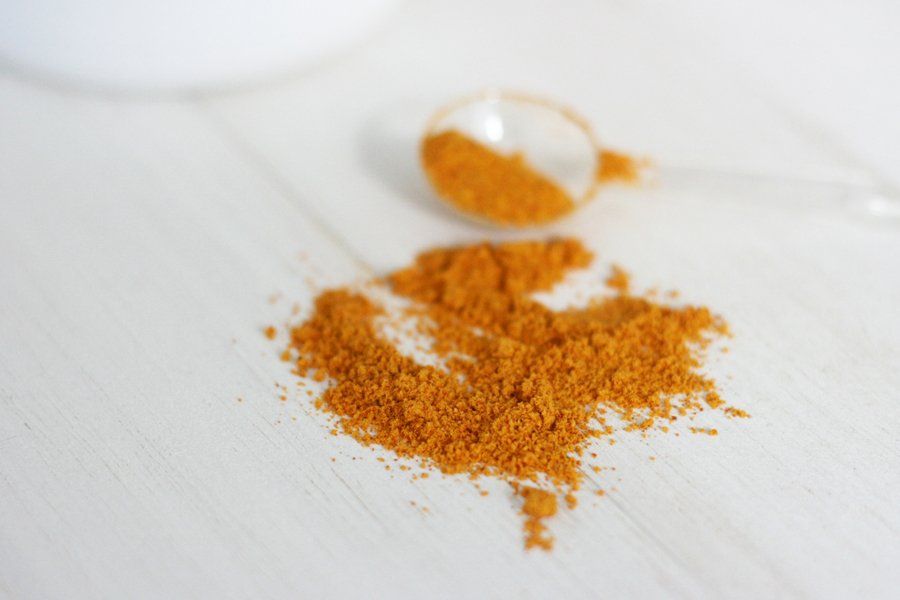
The tub includes a scoop, and the powder stirs through wet food without clumping. Most dogs eat it without noticing; fussy dogs need it introduced slowly, starting with a literal pinch. For the first three weeks the dose is higher than the ongoing one, which builds GOPO levels faster and is why the three week mark keeps coming up. That has a sizing consequence: a dog over about 15kg finishes a small tub before the loading phase is over, so the larger size is sensible rather than an upsell.
Which Dogs Get the Most From Rosehip Joint Support

Senior dogs and dogs diagnosed with arthritis
This group has the most to gain. A stiff, tired older dog usually still has the inclination to play and is held back mainly by what the joints allow, so easing the inflammation gives some range back. Comfort is only half of it though, because a dog who cannot move much still needs occupying, and easy ways to mentally stimulate your dog matter more, not less, when the body slows down.
Active, large and working breeds
The preventive case is quieter but real. German Shepherds, Golden Retrievers, Labradors and Rottweilers carry elevated lifetime risk of hip dysplasia, and starting support in young adulthood addresses inflammation before it does structural damage. The antioxidants and vitamin C also support skin and coat, a useful secondary benefit if you already deal with flare-ups and these hot spot remedies.
Side Effects, Safety and Veterinary Guidance
No harmful side effects are documented. Mild digestive upset when a new powder meets a sensitive stomach is the realistic worst case, and gradual introduction largely handles it.
Giving it alongside prescribed anti-inflammatories
This part is worth reading twice. In human trials, people taking rosehip powder needed less rescue pain medication. That is a real finding, and it is a human finding. It has not been shown in dogs, and it is not a reason to reduce or stop a medication your vet prescribed. Tapering is their call, guided by examination and bloodwork. Owners weighing natural options often also look at CBD oil for dogs, and the same rule applies there.
When stiffness calls for a vet visit
A supplement is the wrong tool for a sudden change. Non-weight-bearing lameness, a limp appearing overnight, yelping on movement, visible joint swelling, or a dog who stops wanting to get up at all warrant a same-week appointment rather than a three week trial. Gradual, symmetrical slowing is the pattern that suits a daily joint supplement.

Where to Buy and What a Tub Lasts
Rose-Hip Vital Canine Powder

Work out the cost per month at the maintenance dose rather than the loading dose, because the first three weeks are not representative of ongoing spend. If you already manage diet closely, this raw feeding guide covers the other half of a joint-friendly setup.

FAQ
Frequently asked questions
1How long does it take to work in dogs?
Most owners report a change around the three week mark, which lines up with the end of the higher loading dose. Some dogs take closer to six weeks, and a few show very little. Consistency matters more than quantity, so missed days stretch the timeline. Give it six full weeks before deciding.
2Does rosehip powder have side effects in dogs?
No harmful side effects are documented, and the tolerance testing behind its Australian registration found none at five times the loading dose. The realistic risk is mild digestive upset in a sensitive dog meeting a new powder, which gradual introduction usually prevents. It is not recommended for pregnant or lactating dogs.
3Is rosehip better than glucosamine for dogs?
They are not really competing. Glucosamine supplies building blocks for cartilage, while rosehip works on the inflammation damaging it, so plenty of dogs do well on both. Rosehip carries more human clinical evidence and glucosamine more years of veterinary use, and neither has a large canine pain trial settling it.
4Can it be given with anti-inflammatory medication?
Generally yes, and no interactions are documented, but this is a conversation for your vet rather than a decision to make at home. Tell them exactly what you are adding and at what dose. If the hope is eventually to lower a prescribed anti-inflammatory, that reduction has to be their call.
5Can dogs take human rosehip supplements?
Use the canine formulation. Human products are dosed for human body weight, some carry additional ingredients that are unsafe for dogs, and human rosehip supplements may cause adverse effects in animals. The canine version is dosed by weight with a scoop designed for it, which removes the guesswork.
Taken as a whole this earns a cautious recommendation for stiff, aging and arthritic dogs, with the caveat that its strongest evidence comes from human osteoarthritis research rather than canine trials. It is clean, well tolerated, easy to feed and genuinely unusual in being plant based. It is not a painkiller and not a replacement for veterinary care. There is more in the Health and Wellbeing section, and the underlying human trial data is published in the Scandinavian Journal of Rheumatology.
Related Reading


Share a thought, ask a question, or tell us about your own dog. We read every comment.