


14 Tips for Hiking With Dogs on Any Trail
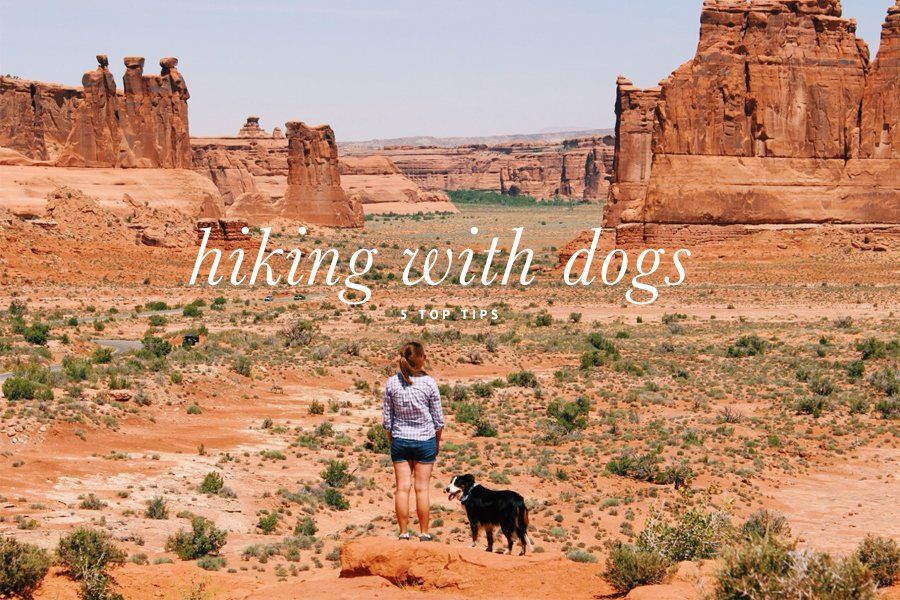 Tips & Training
Copy: Claire Cudahy - Seek + Scout Photography: Claire Cudahy - Seek + Scout

The trail is only half the plan. The other half is the dog at the end of the leash: how far those legs can comfortably go, how much water they will need, and what might be clinging to their coat by the time you are home. Hiking with dogs is one of the loveliest ways to share the outdoors, and a little preparation keeps every mile a happy one for both of you.
These tips suit a gentle hour on a local track or a full day in the hills, and they follow the outing from start to finish: planning, packing, staying safe on the trail and caring for your dog afterward. If the hike is part of a bigger getaway, these tips for traveling with a dog cover the journey itself.
Before You Go: How to Prepare a Dog for Hiking
To prepare a dog for hiking, choose a trail that suits your dog's age, breed and fitness, and confirm that dogs are allowed and whether they must be leashed. Book a vet check to update vaccines and parasite prevention, build up distance gradually over several weeks, practice reliable recall and loose-leash walking, and plan enough water for both of you.
Match the Trail to Your Dog's Fitness
Every dog has different limits. Before setting out, look at the trail's length, the total elevation gain, and whether it is a loop or an out-and-back route, since every mile out on the second is a mile back. Note any river crossings, rock scrambles or ladders that could be difficult for four legs. Some breeds are built for long days on the trail, and these dog breeds for hiking and running are the most likely to keep pace on a big climb.
Puppies, senior dogs and flat-faced breeds such as pugs and bulldogs tire and overheat more easily, so start them on short, shaded walks and ask your vet before attempting anything longer. For any dog, increase distance little by little, just as you would for yourself.
Find Dog-Friendly Hiking Trails
Not every trail welcomes dogs. In Australia, most national parks do not allow dogs at all, while many state forests and regional parks do. In North America, rules vary from park to park, and some national parks limit dogs to certain trails, campgrounds or paved areas. Always check the park's own website before you go.
Most trails that allow dogs require a leash, and fines can apply. Leash rules protect your dog as much as anyone else, keeping them away from wildlife, cliff edges and plants that cause trouble.
Book a Vet Check and Update Parasite Prevention
A quick checkup before hiking season confirms your dog is fit for the distance and up to date on vaccinations. Heartworm, flea and tick prevention matter even more on the trail, where long grass and bushland bring dogs into close contact with parasites. This guide to flea and tick prevention for dogs explains the options.
Practice Recall and Leash Manners
Reliable cues such as sit, stay, come, leave it and drop it keep a dog safe around other hikers, wildlife and anything questionable on the ground. A dog that walks calmly on a loose leash also makes steep or narrow sections far easier, and these tips on how to stop a dog from pulling on the leash are a good place to start.
Dog Hiking Gear Worth Packing
Water and a Collapsible Bowl
Carry enough water for both of you, and more on warm days or longer routes. Streams and puddles are tempting, but still or stagnant water can carry parasites and, in warm weather, toxic blue-green algae, so offer your own supply at every rest stop. A lightweight collapsible bowl folds flat into a pocket, and these dog travel accessories include several trail-friendly options.
High-Value Trail Snacks
Hiking burns energy, so pack small, protein-rich treats, or a portion of your dog's usual food for longer days. Treats also make it easy to reward good recall when distractions are everywhere. Stick to foods your dog already knows, since the trail is no place for an upset stomach.
A Dog First Aid Kit for the Trail
A small kit covers most minor mishaps: tweezers or a tick remover for splinters, burrs and ticks, gauze, a self-adhesive bandage, saline to rinse a wound, and your vet's number saved in your phone. This DIY dog first aid kit shows how to put one together.
On remote trails, think ahead about how you would get your dog out if they could not walk. That plan matters most with a larger dog.
A Dog Backpack, Harness and ID
A well-fitted harness spreads pressure more comfortably than a collar on steep ground, and a reflective collar with ID tags helps if your dog wanders off. Check that microchip details are current before you go.
Fit, healthy adult dogs can carry their own water, treats and waste bags in a dog backpack, as long as the load is light, balanced evenly on both sides, and introduced on short walks first. For everything else, this dog packing list is a handy checklist to print.
Hiking Dog Safety on the Trail
Watch for Signs of Fatigue and Overheating
Dogs rarely say they are tired, and many will keep going simply to stay by your side. Heavy panting, lagging behind, stumbling, limping or reluctance to continue all mean it is time for shade, water and rest, or for turning back.
Overheating can escalate quickly. Excessive panting and drooling, red gums, vomiting, weakness or collapse need urgent care: move your dog into shade, wet their belly and paws with cool, not cold, water, and call a vet straight away. In warm weather, hike in the early morning or evening, and read these summer safety tips for dogs before any hot-day outing.
Protect Paws on Rock, Sand and Hot Ground
Sharp rock, gravel and sun-baked ground can crack or cut paw pads. A pet-safe paw balm before the hike adds a protective layer, and dog boots help on rough terrain once your dog is comfortable wearing them at home. At the end of the day, wipe each paw and check between the toes for seeds and grit.
Wildlife, Snakes and Toxic Plants
Keep your dog close in areas with snakes, coyotes or other wildlife, especially in spring and summer, when animals are most active and protective of their young. In Australia, treat any suspected snake bite as an emergency and head to the nearest vet.
Dogs seldom react to poison oak or poison ivy themselves, but the oils cling to their fur and pass easily to the people who pat them, so a rinse after the hike is wise. Grass seeds and burrs can work their way into ears, eyes and paws, so steer around tall, dry grass where you can.
Leave No Trace and Pack Out the Poop
Dog waste does not belong on the trail, even deep in the bush. Bag it and carry it out, since many trails have no bins. A bag holder that clips to the leash, or a pocket in the dog backpack, keeps it out of your hands.
Staying on marked paths, keeping your dog leashed and giving other hikers and their dogs plenty of room all help keep trails open to dogs for a long time to come.
After the Hike: A Nose-to-Tail Dog Check
Check for Ticks, Burrs and Grass Seeds
Before your dog settles in for a nap, run your hands slowly over their whole body. Ticks favor the ears, armpits, belly, groin, skin folds, the area under the collar and the spaces between the toes. To remove one, grasp it with fine-tipped tweezers as close to the skin as possible, pull straight out with steady pressure, then clean the area.
In Australia, a paralysis tick needs prompt veterinary attention even after removal. Watch for a change in bark, coughing, wobbly back legs or labored breathing.
Rest, Rehydrate and Watch for Soreness
Offer fresh water and a good meal, and give your dog a bath if the trail left them muddy. Some stiffness the next day is normal after a big hike, but limping, swollen paws or tiredness that lasts more than a day deserve a call to the vet.
Heading into a national park in the United States? The National Park Service's B.A.R.K. Ranger principles make a simple rule of thumb anywhere: bag your dog's waste, always leash, respect wildlife and know where your dog is allowed to go. Then comes the best part of any hike: curling up at home together, tired and happy.

With trail tips from Claire Cudahy of Seek + Scout.
Related Reading


Share a thought, ask a question, or tell us about your own dog. We read every comment.
Great post! Love hearing about outdoor dogs from other parts of the world. Great thing is all the ‘dos and don’ts’ can be applied right here at home 🙂 Thanks for sharing all your advice and tips Claire!
Thanks Jen! It’s amazing some of the places our dogs get to go – so much beauty across the planet. x