


Tips for Traveling With a Dog
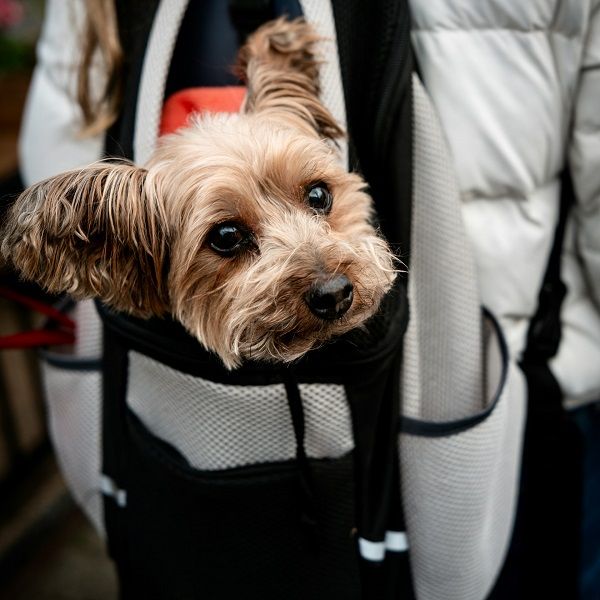 Pet Travel
You know the look. That guilty, soulful stare your dog gives you the second a suitcase appears on the bed. It's enough to make you cancel the whole trip. But you don't have to leave them behind.
Taking your dog along changes the dynamic of a trip completely, usually for the better. Sure, it involves more logistics than throwing a toothbrush in a bag, but watching your pup experience snow or sand for the first time is totally worth the extra hassle.
Here are our best tips for traveling with a dog, whether you're heading out for an afternoon or a month.
The best way to travel with a dog is to match your preparation to the trip: secure car restraint and a go-bag for short trips, and vet paperwork, familiar food, and bedding for longer journeys. Whatever the transport, keep your dog restrained and comfortable, stick to their normal routine as closely as possible, and start crate and car training weeks before you leave.
How to Travel With a Dog Based on Trip Length
Packing for a quick afternoon hike is a breeze compared to gearing up for a month-long road trip. You wouldn't pack the same way for a coffee run as you would for an expedition, and the same logic applies to your dog.
Short Trips (Day Trips or Weekend Getaways)
It's easy to think, "Oh, we're just going an hour away, it'll be fine." That's usually when things go wrong. We tend to let our guard down on familiar turf. Even for a quick weekend escape, safety has to be non-negotiable.
Car Safety Essentials
- Seatbelt harness: A sudden brake can turn a loose dog into a projectile. A simple click-in harness keeps them (and you) safe without costing a fortune. Not sure which to choose? See our dog harness buying guide.
- Crate: Some dogs actually prefer being crated. It's their safe space. Just strap it down so it doesn't slide around on every curve.
- Barriers: If you have a large breed or a restless Lab, a mesh or metal barrier between the seats keeps them from trying to help you drive.
Packing for Short Hauls
You don't need a checked bag for a day trip, but a go-bag saves your sanity.
- Water: Thirsty dogs are cranky dogs. Bring a bottle and a collapsible bowl.
- Leash and collar: Make sure the tags are readable. If they dash off after a squirrel, you need that phone number to be visible.
- Poop bags: Bring the whole roll. You do not want to be the person searching for a leaf in a public park.
- First aid: A scrape on a paw can ruin a hike fast. Some antiseptic spray and a bandage are good to have on hand. Here's how to make a DIY pet first-aid kit.

Long Trips (Multi-Day or Extended Travel)
Heading out for weeks? Now we're talking serious prep. Crossing state lines or borders adds layers of red tape you can't ignore.
Veterinary Preparation
Start this process a month out. Seriously, don't wait until the week before.
- Vaccinations: Rabies rules are strict. If that paperwork isn't perfect, you aren't crossing the border.
- Microchip: Collars get lost. Microchips don't. Double-check that your registration info is up to date so they can actually find you.
- Health certificate: International travel often demands a specific form signed by a vet right before you leave.
- Parasite prevention: Going somewhere warm? Heartworm mosquitoes might be waiting. Going into the woods? Ticks are everywhere. Talk to your vet about the risks at your destination, and consider a natural mosquito repellent for extra protection.
International Rules and Paperwork
Europe is generally dog-friendly, but you need a Pet Passport. The rabies shot usually has to be at least 21 days old, so spontaneous trips are tough.
The UK, Ireland, and Malta are even stricter, often requiring a specific tapeworm treatment given by a vet just days before arrival. Get this wrong, and your dog stays behind. Always check the embassy site yourself.
Packing for the Long Haul
Dogs are creatures of habit, and strange hotel rooms can freak them out.
- Food: Bring their normal kibble. Switching diet in the middle of a trip is asking for an upset stomach (and a messy hotel carpet).
- Bedding: Don't wash their blanket before you go. That familiar "dog smell" comforts them in a new place.
- Medication: Count out their pills and add a buffer week. Delays happen.
- Grooming: Pack a towel. You will eventually encounter mud, rain, or a beach, and you'll be glad you have it.
For a calm dog in a new place, the right crate helps enormously. See our guide to the best dog crates.
Accommodation Checks
"Pet-friendly" can mean anything from "dogs are royalty here" to "dogs are allowed in this one specific dark room." Call them. Ask about weight limits. Ask if you can leave the dog unattended (usually, the answer is no).
And be a good guest. If your dog barks non-stop when you leave, you're going to have a problem with management.
RELATED: Dog Hotel Etiquette

How to Travel With a Dog by Transportation Type
The "how" matters just as much as the "where." Trains, planes, and boats all have their own quirks.
Traveling by Ferry or Ship
Ferries can be great, but they can also be confusing.

Onboard Accommodation
- Pet-friendly cabins: Some lines have cabins with linoleum floors. These sell out instantly, so book early.
- Kennels: Big ferries often have a kennel deck. You can go down and visit, check water, and give a few pets during the crossing.
- In your car: Short hops might mean the dog stays in the car. Make sure there's enough air, but not enough gap for an escape artist.
Safety and Potty Breaks
Ask a crew member immediately where the relief area is. It's usually a small sandbox on a windy deck. It's weird, and your dog might hate it, but it's better than an accident.
Keep them leashed, as decks are slippery. Also, watch out for seasickness. A light meal beforehand is smarter than a full bowl.
Traveling by Train
There's something nice about the rhythm of a train, and dogs often sleep right through it. But space is tight.

Size Matters
- Small dogs: If they fit in a bag, they usually ride for free or cheap. The bag goes under your feet.
- Large dogs: Many trains allow them, but they need a ticket, a leash, and often a muzzle. It protects them as much as anyone else in a crowded aisle.
- Restrictions: Some high-speed trains (like the Eurostar) are a firm no for pets. Always check.
Etiquette on the Rails
The floor is their spot, not the seat. Keeping them quiet keeps you from getting kicked off.
Train stops are short, so there's no time for a potty break until you arrive. Walk them hard before you board, and bring water, since train air is incredibly dry.
Traveling by Airplane
Flying is stressful. There's no way around it. It requires the most prep and has the strictest rules.
Cabin vs. Cargo
- In cabin: Tiny dogs (usually under 8kg with the bag) can go under the seat. They have to stay in the bag the whole time. It's cramped, but they're with you.
- In hold (cargo): Bigger dogs go in the cargo hold. It's pressurized and temperature-controlled, but it's loud and lonely. You have to book this way in advance.
The Right Crate (IATA Standards)
If they fly cargo, the crate has to be Fort Knox.
- Bolts: Metal bolts only. Plastic clips pop open.
- Size: They need to stand without ducking and turn around easily. Airlines measure this.
- Bowls: Two empty dishes bolted to the door.
Health and Breed Restrictions
If it's too hot or cold on the runway, the airline won't load the dog. It's for their safety. Snub-nosed breeds like Pugs and Bulldogs often can't fly cargo, because their breathing just can't handle the stress and air changes. Feed them lightly about four hours before the flight. A massive run before the airport helps them sleep through the worst of it.
By now, it’s clear that getting around with a dog isn’t always straightforward. If you’d rather skip the juggling act of schedules, rules, and tight spaces, a pet-friendly car transfer can make the journey a whole lot easier. You can travel comfortably, and even book stops along the way if it helps make the trip even more enjoyable. You can travel comfortably, and even book stops along the way if it helps make the trip even more enjoyable.

How to Manage Your Dog's Travel Anxiety
Travel disrupts everything your dog knows. New smells, weird noises, no routine. It's normal for them to be nervous.
Start Your Training Weeks in Advance
Buying a crate the day before is a recipe for panic. Instead, make it the best seat in the house by throwing treats in there early on. Take short drives around the block just to show them that the car doesn't always mean a trip to the vet.
Try Natural Aids to Take the Edge Off
Pheromone sprays mimic the scent of a nursing mother. It sounds odd, but it works for many dogs. Thundershirts apply gentle pressure like a constant hug, and tossing your dirty gym shirt in the crate works wonders. You smell like safety to them.
Talk to Your Vet About Medication
If your dog shakes uncontrollably or vomits the moment the car moves, you might need help. There are meds for nausea and anxiety, but be careful with sedation for flying, as it can interfere with breathing at altitude.
Keep Their Routine as Normal as Possible
Feeding and walking them at the same times gives them a sense of order in the chaos. A tired dog is a good traveler, so wear them out before you go. And watch them closely. If they start panting heavily or acting off, take a break immediately. If your dog struggles with walks in general, our tips on what to do when your dog won't walk may help before you travel.

FAQ
Frequently asked questions
1What is the best way to travel with a dog?
The best way depends on distance and your dog's temperament, but car travel gives you the most control and flexibility. Whatever the method, keep your dog safely restrained in a crash-tested harness or secured crate, maintain their normal feeding and walking routine, and pack familiar items like their bed and regular food. Start crate and car training weeks ahead so travel day isn't their first experience.
2How do you travel long distance with a dog?
For long-distance travel, plan a month ahead. Sort out vaccinations, microchip registration, and any health certificates or paperwork required at your destination. Pack their normal food, unwashed bedding, medication with a buffer supply, and a towel. Build in regular stops for water, bathroom breaks, and exercise, and confirm every accommodation is genuinely pet-friendly before you book.
3How can I calm my dog during travel?
Start desensitizing your dog to the car or crate weeks in advance using treats and short practice trips. On the day, try natural calming aids like pheromone sprays, a Thundershirt, or an unwashed item of your clothing in their space. Keep feeding and walking times consistent, exercise them well beforehand, and speak to your vet about anti-nausea or anxiety medication if your dog is severely affected.
4Can all dogs fly on a plane?
No. Snub-nosed breeds like Pugs and Bulldogs are often banned from cargo travel because the stress and air pressure changes can trigger breathing problems. Airlines also refuse to load any dog if runway temperatures are unsafe. Small dogs may fly in the cabin under the seat, while larger dogs travel in the pressurized cargo hold, which must be booked well in advance.
5What do I need to pack when traveling with a dog?
At minimum: water and a collapsible bowl, their regular food, a leash and collar with readable ID tags, poop bags, medication, a towel, familiar bedding, and a basic first-aid kit. For longer or international trips, add vaccination records, a health certificate, and any destination-specific paperwork. Our free printable dog travel checklist covers everything so nothing gets left behind.
Pretty Fluffy is the ultimate lifestyle destination for dog lovers. Discover the best designer & emerging dog brands, the latest dog accessories, pet lifestyle inspiration, healthy dog treat recipes, dog training tips and much more. Thank you for being part of our dog-loving community!
Related Reading


Share a thought, ask a question, or tell us about your own dog. We read every comment.