


How to Bond With Your Puppy and Build Trust
 Tips & Training
Dogfolk Pet Photography

Written by
Shell & KatyUpdated 14 September 2026 · 8 Min Read
Shell & Katy are two style-savvy dog mums celebrating the best in pet-friendly living. A pet photographer and dog lifestyle writer, together they share trending pet products, recipes, inspiration and expert tips with discerning dog lovers around the world.
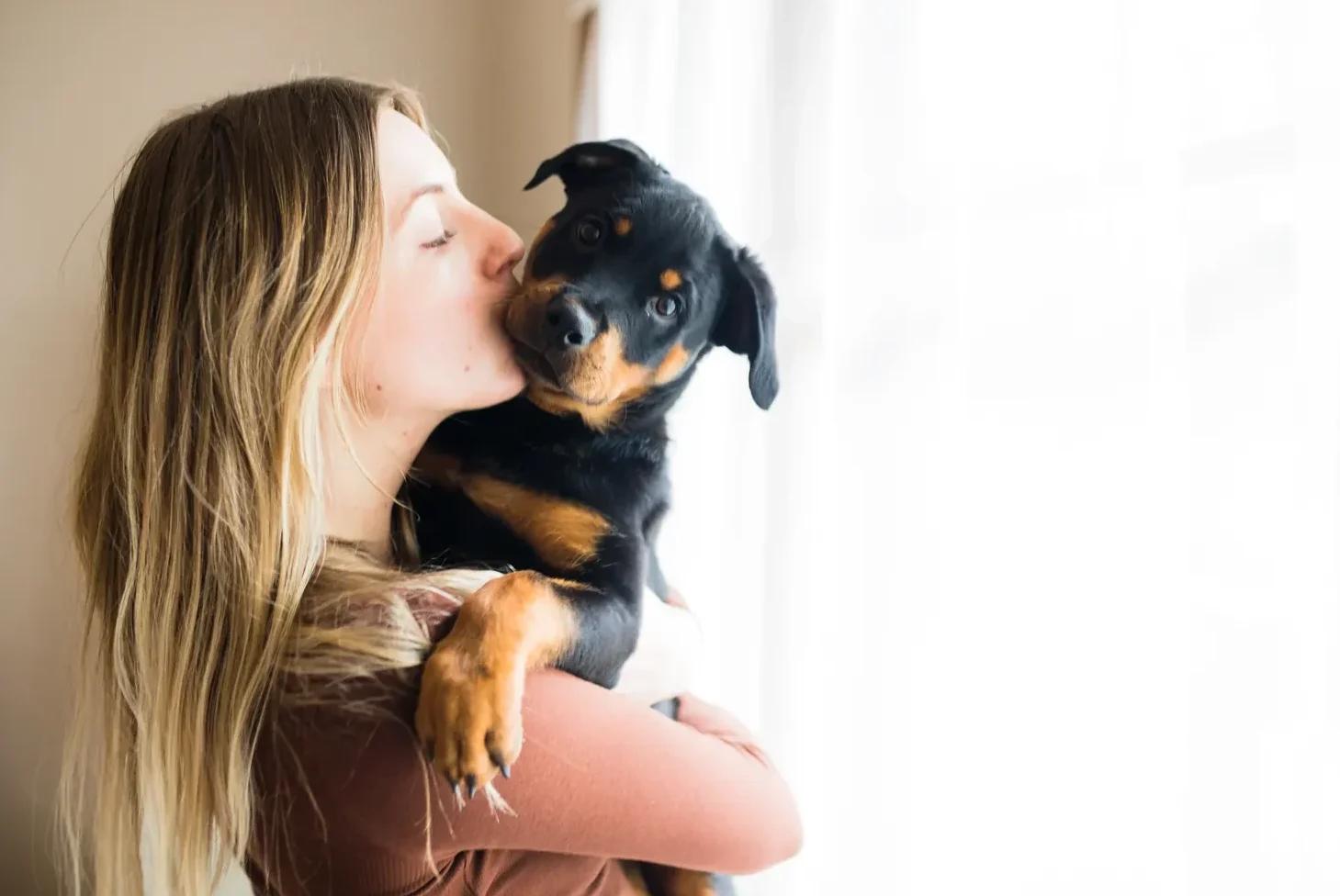
The first days with a new puppy can feel like falling in love with someone who does not yet speak your language. Learning how to bond with your puppy is really about closing that gap: showing a small, uncertain dog that you are safe, predictable and the source of most good things in their world.
A strong bond makes everything that follows easier. Bonded puppies learn faster, settle more quickly and grow into dogs who genuinely want to check in with you. The 15 tips below, shaped with guidance from qualified, force-free dog trainer Julia Jenkins, are grouped by what they build: a calm first week, lasting trust, and the kind of fun that makes a puppy adore you.

Bonding With a New Puppy in the First Week
To bond with a new puppy, spend as much calm time together as possible in the first week, keep a predictable routine, reward the behavior you like with food and praise, and let your puppy approach new things at their own pace. Gentle handling, plenty of sleep and short play sessions build trust quickly, while punishment and overwhelming outings damage it. Most puppies start to show a clear attachment within a few weeks.
Clear Your Schedule for Your Puppy's Arrival
If you work, take a few days off or work from home for your puppy's first week. Those early days are when your puppy learns who you are and what their new life looks like, and it is much easier to build a routine without rushing out the door.
Set Up a Safe Space Before Your Puppy Comes Home
Have the bed, crate or pen, bowls, toys and chews in place before pickup day. A puppy who walks into a ready, quiet space settles faster and starts associating home, and you, with comfort. This new puppy checklist covers everything to have ready.
Let Your Puppy Explore at Their Own Pace
Resist the urge to scoop your puppy up the moment they arrive. Sit on the floor, let them sniff you, and let them investigate each room when they are ready. Puppies who are allowed to approach on their own terms learn that you are safe, which is the foundation of every bond.
Agree on House Rules With Everyone at Home
Decide early where your puppy can go, whether the sofa is allowed and which words mean what. If one person lets the puppy on the bed and another says no, the puppy cannot learn what to expect. Writing the rules down and sticking them on the fridge keeps the whole household consistent.

Daily Habits That Get a Puppy to Trust You
Trust is built in small, repeated moments. When your puppy's day is predictable and every interaction with you feels safe, they relax around you, and a relaxed puppy is ready to connect.
Build a Predictable Puppy Routine
Keep meals, potty breaks, play, training and naps at roughly the same times each day. Routine tells your puppy their needs will be met, so they stop worrying and start watching you for what comes next.
Protect Your Puppy's Sleep and Naps
Tired puppies are cranky, bitey puppies. Young puppies need a great deal of sleep, and many can only stay awake for an hour or two before they need a nap to process everything that has happened. Set a regular bedtime, give plenty of daytime naps in a quiet spot, and you will find your puppy far calmer and more affectionate when they are awake.
Use a Crate or Pen When You Cannot Supervise
Puppies are a lot like toddlers, and they need a safe space when you cannot watch them. A comfortable crate or puppy-proofed pen with a few toys prevents chewed shoes and potty accidents, the moments most likely to leave you frustrated. It also gives your puppy a quiet retreat of their own.
Handle Your Puppy Gently and Often
Cuddles count, and so does gentle handling. When your puppy is sleepy, softly touch their ears, paws, mouth and tail, rewarding them with a small piece of food each time. Having a few tiny training treats within reach makes it easy, and it pays off later at the vet and the groomer.
Avoid Punishment and Stay Patient
Puppies are not born knowing house rules, and mistakes are part of learning. Shouting or physical punishment teaches a puppy to fear you, which is the opposite of a bond. The American Veterinary Society of Animal Behavior recommends reward-based training methods only. If your puppy is doing something unwanted, calmly redirect them and reward the right choice instead. For the mouthy stage, these tips on stopping puppy jumping and biting keep things positive.
Puppy Bonding Games That Make Your Puppy Love You

Once your puppy trusts you, fun is what turns trust into devotion. The goal is simple: become the most interesting thing in your puppy's world.
Reward Good Choices With Informal Training
Keep part of your puppy's daily food in your pocket. Whenever they do something you like, such as sitting, lying down or coming over to you, say "Good!" and reward straight away. What gets rewarded gets repeated, and your puppy quickly learns that paying attention to you pays off.

Turn Mealtime Into Enrichment
Instead of a bowl that empties in a minute, use part of your puppy's meals for food puzzles, stuffed chew toys and scatter feeding. It works their brain, keeps them out of mischief and gives you many small chances to be the source of good things. These ways to mentally stimulate your dog are easy to adapt for puppies.
Play Hide-and-Seek, Tug and Fetch
Simple games are some of the best ways to bond with your dog at any age. Hide behind a door and call your puppy's name, then celebrate when they find you. Short tug sessions teach your puppy to play and then let go on cue, and gentle fetch rewards them for coming back to you.

Offer Safe Chews for Calm Downtime
Puppies need to chew, especially while teething. Give size-appropriate chews and chew toys, and supervise until you know how your puppy uses them. Settling with a chew beside you teaches your puppy that quiet time with you is just as good as playtime.
Explore the World Together
The first three months are a key socialization window, so safely introduce your puppy to new people, surfaces, sounds and places, and let them retreat if something feels too big. Short, positive outings with you as their safe base strengthen your bond. When walks begin, these tips to stop leash pulling help keep them enjoyable.
Take Lots of Puppy Photos
Puppyhood passes in a blink. Photos and videos let the whole family relive these weeks, and slow, treat-filled photo sessions double as gentle focus practice for your puppy.
How to Get Your Dog to Bond With a New Puppy
If there is already a dog at home, the bond between your two dogs matters just as much as yours with the puppy.
Introduce Your Dog and Puppy Slowly
Make the first meeting calm and short, ideally somewhere neutral such as a quiet yard, with both dogs supervised. Reward your older dog for relaxed behavior around the puppy, and keep toys and food bowls out of the way at first to avoid squabbles.
Give Your Older Dog Space and Attention
Puppies can be relentless. Give your resident dog puppy-free breaks, keep up their usual walks and one-on-one time, and step in if the puppy will not take a hint. If your older dog stiffens, growls repeatedly or seems anxious, this guide to training a reactive dog is a helpful place to start, alongside a qualified trainer.
Signs Your Puppy Has Bonded With You
Wondering whether your puppy likes you yet? Their body language will tell you.
Body Language That Shows Your Puppy Loves You
A bonded puppy has a soft, wiggly body and a loose wagging tail around you. They follow you from room to room, lean against you, rest their head on your lap, check in with you on walks, and come looking for you during hide-and-seek. Settling to sleep near you is one of the sweetest signs of all.
How Long It Takes to Bond With a Puppy
Some puppies attach within days, while shy or rescued puppies may need several weeks or longer. Age, temperament and past experiences all play a part. Keep your routine steady and your interactions kind, and the bond will come.
FAQ
Frequently asked questions
01How do I get my puppy to love me?
Be the source of the good things in your puppy's day. Hand them part of their meals, play short games, reward the behavior you like and keep handling gentle. Pair that with a predictable routine and no punishment, and most puppies become visibly attached within a few weeks. Consistency matters more than grand gestures.
02How can I bond with my puppy in the first week?
Spend as much calm time at home as you can. Let your puppy explore at their own pace, sit on the floor so they can approach you, and start a simple routine for meals, naps and potty breaks. Keep visitors and outings low-key so your puppy can focus on getting to know you.
03How do I get a scared puppy to trust me?
Let the puppy set the pace. Sit quietly, avoid reaching over their head, and toss small treats nearby rather than forcing contact. Keep the environment calm and routines predictable. Over days, move the treats closer until your puppy chooses to come to you. If fear does not ease, speak with your vet or a qualified trainer.
04Do puppies bond with one person?
Puppies can bond closely with the whole family, although many attach most strongly to whoever feeds, walks and plays with them most. To spread the love, let every family member take turns with meals, training games and gentle handling, using the same cues and rules so the puppy feels secure with everyone.
05Is it normal not to feel bonded with a new puppy right away?
Yes, it is very common. Broken sleep, chewing and potty training can feel overwhelming, and the rush of love does not always arrive on day one. Focus on routine and small positive moments together. For most families, the bond grows steadily as the puppy settles and the hardest early weeks pass.
Every puppy moves at their own pace, so enjoy the small wins along the way. Patience, kindness and consistency are what turn a nervous new arrival into your best friend.

About Julia Jenkins and Pet Dog Training Today
Julia Jenkins is a qualified dog trainer with the Institute of Modern Dog Trainers (IMDT). She is a force-free, reward-based trainer who helps owners better understand their dogs so they can live more harmoniously together. Alongside her science-based articles on dog training and behavior at Pet Dog Training Today, she runs a specialized service supporting pet parents with reactive dogs.
All images by: Dogfolk Pet Photography.

Related Reading


Share a thought, ask a question, or tell us about your own dog. We read every comment.