


ThunderLeash Review for Strong Pullers
 Dog Product Reviews
Copy: Serena Faber Nelson Photography: Serena Faber Nelson & ThunderWorks

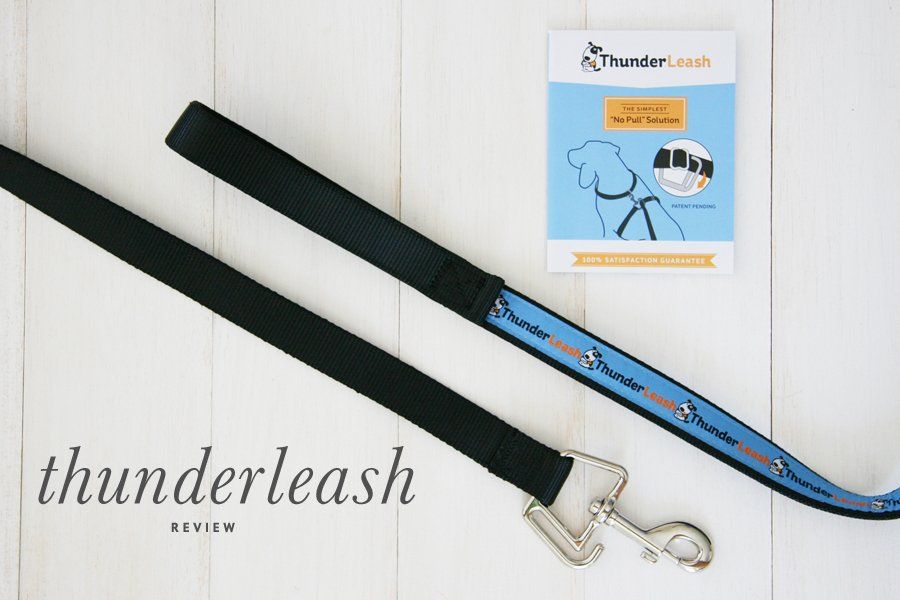
Anyone who has been towed down a sidewalk by a dog with somewhere better to be has eyed the no pull shelf with equal parts hope and suspicion. The ThunderLeash makes an unusual offer on that shelf: a single piece of webbing that walks as an ordinary leash, then converts into a torso wrap that applies gentle pressure the moment a dog leans into it. Nothing extra to buckle on, nothing extra to carry, no second piece of gear to fit and fuss over. Whether it earns a place on the hook by the door comes down to three things, and sizing is only the first of them.
It also helps to be clear about the job description. A no pull tool manages pulling while it is happening. It does not replace the patient work of teaching a dog to stop pulling on the leash, and the honest reviews of pressure based gear all land in the same place: useful, not magic.
How the No Pull Leash Mode Works
The ThunderLeash works as a standard leash clipped to the collar, then converts into a no pull tool by looping the webbing around the dog's torso and threading it back through a slot near the handle. When the dog pulls, that loop tightens slightly and spreads even pressure across the ribcage rather than the neck. When the dog eases off, the pressure releases immediately. That release is the whole mechanism: pulling feels like gentle pressure, walking politely feels like nothing at all.
The design is patented, and the brand positions it as recommended by positive based trainers, which is a manufacturer claim rather than an independent finding. What is not in dispute is the physics. Pressure applied broadly across a torso is a very different sensation from a correction at the throat, and it is the same principle behind the brand's calming vest. Dogs who respond well to steady body contact tend to respond here too, which is why the ThunderShirt and its pressure therapy approach comes up so often in the same conversation.
Switching From Leash to Torso Wrap in Seconds
In standard mode the leash clips to the collar and behaves like any other six or seven foot leash. To switch, the webbing passes around the dog's body just behind the front legs, then feeds back through the slot at the top of the leash so it forms a loop around the chest. The clip stays on the collar throughout, which means the switch happens mid walk without unclipping anything or asking a dog to stand still for a fitting.
That speed is the real selling point for dogs who are perfectly civilized for the first ten minutes and then spot something unforgivable.
Slack Buckle and Safety Buckle Settings
Two buckles do the fine tuning, and most disappointment with this leash traces back to one of them being set wrong. The Slack Buckle controls how loosely the loop sits on the body. It should be adjusted so the webbing rests on the torso with no tension at all while the dog is walking normally, so there is nothing to notice until there is something to notice.
The Safety Buckle is the limiter. It stops the loop from being drawn beyond a set point no matter how hard a dog pulls or how firmly a person braces, which is what prevents an over enthusiastic grip from cinching a leash tight around a dog's ribs. Both buckles need checking the first few times out, because webbing settles.

Sizing and Fit by Your Dog's Weight
Sizing runs on weight, not on girth measurements, which makes it unusually simple to get right. Three sizes cover the range:
- Extra small, for dogs under 12 pounds, six feet long and roughly half an inch wide.
- Small, for dogs from 12 to 25 pounds, also six feet long at the same width.
- Large, for dogs from 25 to 100 pounds, seven feet long and a full inch wide.
Five colors are offered across all three sizes, and the handle is padded with a reflective logo for evening walks. Retailer listings vary slightly on webbing width for the smaller sizes, quoting anywhere from half an inch to five eighths, so treat the figures above as close rather than exact. The extra foot of length on the large size matters more than it sounds: a bigger dog needs more webbing to make the torso loop, so length and size are not independent choices.
Safety Buckle Spacing for Small, Medium and Large Dogs
This is the detail most owners never find, and it changes by dog. The gap left at the Safety Buckle should be roughly one to one and a half inches for dogs under 12 pounds, one and a half to two inches for dogs between 12 and 25 pounds, and around two and a half inches for dogs from 26 pounds up to the top of the range. Set it too wide and the loop can draw tighter than intended. Set it too narrow and the no pull mode never engages enough to give the dog any feedback at all.
The Two Finger Test Before Every Walk
With the loop on and the dog standing calmly, two fingers should slide easily between the webbing and the chest. Tighter than that and the dog is carrying pressure constantly, which defeats the point, since the tool works by contrast between pressure and release. Looser than that and the loop can slip. The same two finger check governs choosing and fitting a dog harness, and it is worth repeating every time rather than once.
Walking a Strong Puller on Torso Pressure
For moderate pullers, the effect tends to show up quickly. A dog who leans into a flat collar and keeps leaning often reconsiders within a block or two, because the feedback arrives from an unexpected direction and stops the instant the leaning stops. Owners of dogs who lunge at squirrels, cats and the occasional garden statue generally report the same pattern: fewer launches, and faster recovery after each one.
For genuinely powerful pullers the picture is more mixed. The leash does not remove a determined dog's ability to pull, it makes pulling less comfortable and gives the person on the other end more leverage without resorting to the neck. A dog who has spent years learning that pulling works will need training alongside the equipment, not instead of it.
Dogs Over 100 Pounds Need a Different Tool
The large size stops at 100 pounds, and that ceiling is deliberate rather than a gap in the lineup. The manufacturer has stated plainly that the range is capped at 100 pounds to stay inside its own safety targets, which is a more useful answer than a vague recommendation. For a mastiff, a great dane or a strong dog at the top end of that bracket, this is the wrong product, and stretching it is not worth the risk to either end of the leash.
What Gentle Pressure Will Not Fix
Pressure based gear manages a behavior. It does not teach the alternative behavior, and it does not address the reason a dog is pulling in the first place. A dog pulling from under exercise needs more exercise. A dog pulling from reactivity needs a plan for reactivity. A dog pulling from sheer youthful optimism needs reward based practice at walking politely. Equipment buys calmer walks while that work happens, which is a real benefit, just not the one the packaging implies.
Thunder Harness Pressure Versus a Front Clip Harness
Plenty of people search for a thunder harness rather than a leash, which makes sense given how this product behaves, but the distinction matters when choosing. A conventional harness covers the chest and shoulders with panels and straps, spreading load over a wide area and staying on for the entire walk. This leash makes a single loop of webbing around the ribcage that is only snug when a dog pulls, so there is far less material against the coat and nothing to overheat in summer.
A front clip harness works differently again, steering a dog sideways by redirecting forward momentum from a chest ring. That redirection is excellent for dogs who need their direction changed, and some trainers prefer it precisely because it steers rather than squeezes. The torso loop approach gives feedback instead of steering, which suits dogs who respond to sensation more than to being turned.
One practical note for the smallest sizes: the metal hardware is sized for the webbing, not the dog, so on a very small dog the clip and buckles carry noticeable weight relative to the animal.
Control Leash and Other No Pull Alternatives
The closest comparison people actually search for is the Control Leash, a hand made alternative from a small family business that works on the same principle: clip to the collar, wrap the body, let pulling create pressure away from the neck. The differences are genuine but narrow. Its webbing feeds through one of two slots, so the pressure can sit around either the chest or the waist, and it comes in six or ten foot lengths at any size with an extra traffic handle built in. Against that, it sells essentially direct only, with no broad retail presence and no stated money back period.
Set side by side, these are two versions of the same idea. The real decision points are whether a waist option appeals, whether ten feet of leash suits the walks in question, whether a traffic handle earns its keep, and how much easy returns matter. Beyond that pair, the field includes front clip harnesses, martingale collars, head halters and tightening free harnesses, all of which show up across the brands in the Pretty Fluffy collars, leashes and harnesses directory.
Two Point Control Leashes Work Differently
Worth untangling one piece of terminology, because a two point control leash is a separate category despite the similar name. That design uses one leash with two clips, attaching to both a collar and a harness at once so a dog can be steered from two contact points. It is a steering tool for dogs who need redirecting, not a pressure tool, and it requires a harness the dog is already wearing.
Comfort, Neck Safety and Daily Care
The strongest argument for this style of leash is where the pressure is not. Activating the torso loop keeps force off the head and neck, away from the throat and trachea, which is the area most at risk when a dog hits the end of a leash attached to a flat collar. Combined with the Safety Buckle limiter, it is difficult to apply genuinely harsh pressure even by accident.
That said, the manufacturer is refreshingly direct about the limits of its own product, and this deserves repeating because it rarely gets quoted. The no pull configuration does not eliminate all pressure on the neck or trachea, and the brand advises discontinuing use if a dog shows signs of distress.
Dogs With Sensitive Necks or Tracheas
Following from that caveat, this leash is not recommended for dogs with sensitive necks or tracheas, which in practice includes many flat faced breeds, small dogs prone to collapsing trachea, and any dog with a diagnosed airway or cervical issue. For those dogs, a well fitted harness that carries no load at the neck at all remains the safer default, and a vet is the right person to ask.
For every other dog, watching the walk matters as much as reading the instructions. Lip licking, a tucked tail, a sudden freeze, ears pinned flat or whale eye all say the same thing, and learning to read dog body language is what turns a tool into a tool used well. A dog who shuts down in no pull mode is not learning, and the loop should come off.
Chewing, Washing and Reflective Details
Nylon webbing is tough but it is still nylon, and a bored dog left alone with a leash in reach will eventually test it. The torso loop sits in easy mouth range, so dogs who chew on walks need supervision or a different solution. For cleaning, hand washing in cool water with mild soap and letting it air dry fully keeps the webbing from stiffening and protects the metal hardware, which is the part that fails first on any leash. Checking the stitching at the slot and the clip every few weeks is the small habit that prevents the large surprise.
Best Suited Dogs and the Money Back Guarantee
This leash suits moderate pullers between 12 and 100 pounds, dogs who get overexcited rather than genuinely reactive, households that would rather carry one piece of gear than two, and owners who want pressure kept off a dog's neck while training takes hold. It is a poor fit for dogs over 100 pounds, dogs with any neck or airway sensitivity, committed leash chewers, and anyone hoping equipment alone will settle a serious pulling habit.
The brand's 60 day money back guarantee on direct purchases takes most of the risk out of finding out which group a dog falls into, though purchases made through other retailers follow that retailer's returns policy instead. Given how individual the response to pressure based gear is, a real return window is worth more than any claim on the packaging.
Whichever way it goes, the equipment is the smaller half of the job. The UC Davis School of Veterinary Medicine's loose leash walking handout sets out the reward based approach that does the actual teaching, and it pairs well with a leash that keeps walks manageable in the meantime.
Check Price
Related Reading


Share a thought, ask a question, or tell us about your own dog. We read every comment.