


Doxiepoo Puppies to Adults
 Dog Breeds

Two puppies from the same doxiepoo litter can look as if they came from different families. One has a curly, teddy-bear face and a coat that barely sheds. Its brother is sleek, long in the back and leaves short hairs on every cushion. That unpredictability is the first thing to understand about this Dachshund and Poodle cross, and it shapes nearly every decision that follows.
The good news is that most of the guesswork can be narrowed before a puppy comes home, with the right questions about the parents. Like the Cavoodle and the Dorkie, this is a deliberate cross rather than a breed with a written standard, and this guide to mixed breed and designer dogs explains what that difference means.
What Is a Doxiepoo?
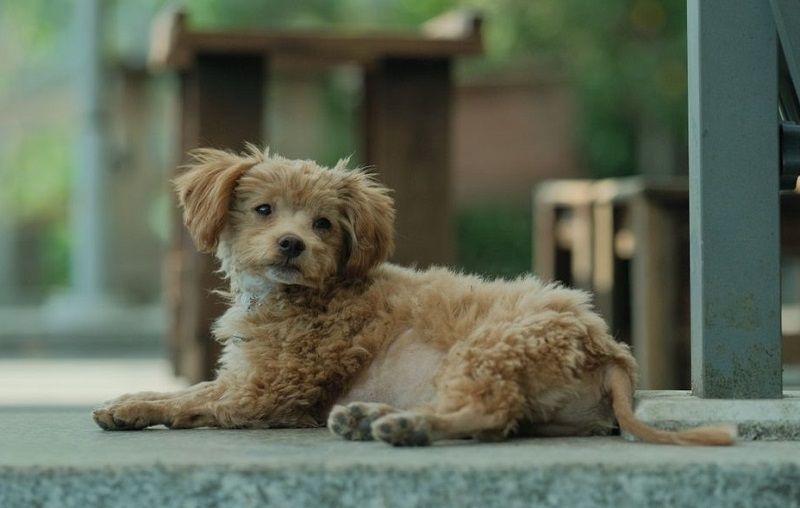
A doxiepoo is a cross between a Dachshund and a Poodle, usually a Toy or Miniature Poodle so the adult stays small. Full grown, most stand about 5 to 15 inches tall and weigh roughly 10 to 30 pounds, depending on the size of each parent. The coat can be curly, wavy, smooth or wiry, and the typical lifespan is 12 to 15 years. It is a designer cross rather than a recognized breed, so no official standard sets its size or look.
| Parent breeds | Dachshund (miniature or standard) and Poodle (toy or miniature) |
|---|---|
| Adult height | About 5 to 15 inches at the shoulder |
| Adult weight | About 10 to 30 pounds |
| Lifespan | 12 to 15 years |
| Coat | Curly, wavy, smooth or wiry; shedding from minimal to moderate |
| Exercise | At least 30 minutes a day, plus brain games |
| Best suited to | Homes with someone around most of the day and older children |
Dachshund Poodle Mix Names
The same dog is sold as a Doxiepoo, Doxie Poo, Doxiedoodle, Dachshund Poodle mix or Dachshund-Poo. Sellers do not always use these names consistently, so the name tells you less than the parents' details do.
A dorkie poo is a different animal altogether: a Dachshund and Yorkshire Terrier cross bred again to a Poodle. This guide to the Dorkie Dachshund Yorkie mix covers the first half of that family tree.
What Each Parent Brings to the Cross
From the Dachshund side come the long body, short legs, keen nose and a streak of independence that owners often read as stubbornness. This look at whether Dachshunds are smart explains why that independence is not the same as a lack of brains.
The Poodle brings a quick, eager mind and a coat that grows continuously rather than shedding in seasons. Toy and Miniature Poodles were bred down from the Standard, so in a doxiepoo they mostly contribute size, smarts and, with luck, that low-shedding hair. The cross is fairly young, appearing in the US around the early 2000s, and its exact origins are not documented.
How Big a Full Grown Doxiepoo Gets
Adult size depends almost entirely on which versions of each breed were paired. Here are the published ranges for the parents:
- Toy Poodle: 10 inches or under, about 4 to 6 pounds
- Miniature Poodle: 10 to 15 inches, about 10 to 15 pounds
- Miniature Dachshund: under 11 pounds
- Standard Dachshund: 16 to 32 pounds
A doxiepoo with a Toy Poodle parent often settles around 10 to 15 pounds, while one with a Miniature Poodle parent tends to land between 15 and 30. A Standard Dachshund parent pushes the adult toward the top of that range, which matters for anyone hoping for a lap-sized dog. Small and medium doxiepoos alike can live comfortably in an apartment, much like the dogs in this list of the best dog breeds for apartments, as long as the barking is managed.
Mini Doxiepoo Full Grown Size
Mini, toy and teacup doxiepoos are sales labels, not sizes. No standard defines them, and two breeders can use the same word for very different dogs. For the smallest mini doxiepoo full grown, look for a Miniature Dachshund paired with a Toy Poodle, since both are the smallest versions of their breeds. Ask for the actual adult height and weight of both parents rather than trusting the label.
When Doxiepoo Puppies Stop Growing
Most doxiepoo puppies reach their adult size by 10 to 12 months, though some keep filling out until 18 months. A breeder who promises an exact adult weight for an eight-week-old puppy is guessing. Parent measurements are the best guide available, and even those leave room for surprises within one litter.
Doxiepoo Coat, Colors and Shedding
The coat is the true lottery. A puppy may take after the Poodle with a curly or wavy coat, or after the Dachshund with a smooth, long or wiry one, and many land somewhere in between. Poodle-type coats shed very little, Dachshund-type coats shed noticeably, and mixed coats usually fall in the low-to-moderate range. Curly coats come with their own care needs, as this guide to curly haired dogs explains.
Is a Doxiepoo Hypoallergenic?
Not reliably. A curly, low-shedding doxiepoo leaves less hair around the house, but the proteins behind dog allergies come from saliva, skin flakes and urine, and every dog produces them. A smooth-coated puppy from the same litter will also shed like its Dachshund parent. The full picture on the parent breed, coat by coat, is in this guide to whether dachshunds are hypoallergenic.
Some breeders cross a doxiepoo back to a Poodle to raise the odds of a low-shedding coat, the same F1B approach explained in this Labradoodle vs Goldendoodle comparison. It improves the odds rather than guaranteeing anything, so allergy sufferers should still spend real time with the specific puppy first.
Black, White, Golden and Dapple Doxiepoos
Doxiepoos come in solid black, brown, cream, white and gray, plus warm red and apricot shades often advertised as golden. Patterns include bicolor, tricolor, piebald, brindle, phantom, sable and dapple. Color has no link to temperament or general health, with one important exception.
Dapple is the Dachshund's name for merle. One dapple parent bred to a solid parent is unremarkable, but two merle parents can produce puppies with a double dose of the gene. In one veterinary study, dogs carrying two copies of merle were significantly more likely to be deaf, and double merles can also have eye defects. That pale, striking look is the same gene family behind many blue eyed dogs. Ask whether either parent is dapple or merle, and walk away from a litter where both are.
Doxiepoo Haircuts and Grooming
Grooming depends on the coat a puppy grows into, and a slicker brush plus a metal comb, like the tools in this roundup of the best dog brushes, handle most doxiepoo coats. Poodle-type coats need brushing two or three times a week and a professional trim every six to eight weeks. Dachshund-type coats get by with a weekly brush, and mixed coats sit between the two.
Mats tend to form behind the ears, in the armpits and under the collar. Never cut a mat out with scissors, because the skin underneath tents up into the blade. A groomer can clip it out safely or recommend a shorter style.
Popular Doxiepoo Haircuts
A short all-over puppy cut is the most practical choice for curly or wavy coats, since it keeps mats at bay between appointments. A teddy bear trim leaves the face rounder and softer for owners who love the fluffy look. Smooth-coated doxiepoos need no haircut at all, just a bath when they find something to roll in, and this guide on how to bathe a dog at home covers the basics. Whatever the style, a short sanitary trim and tidy feet help keep a long-haired coat clean.
Ears, Nails and Weekly Checks
Floppy ears from both parents, often with hair growing inside them, trap warmth and moisture. Lift the flaps weekly and look for redness, dark wax or a sour smell. This walkthrough on cleaning dog ears safely at home shows the technique. Trim nails every few weeks, because long nails change how a dog stands, and a long back cannot afford poor posture.
Doxiepoo Health and Lifespan
Mixing two breeds can dilute some inherited problems, but it cannot undo body shape, and it does not guarantee a healthier puppy. A doxiepoo can inherit conditions from either side of the family.
Back Problems From Both Parents
Disc disease is the condition to plan around. Dogs with short legs relative to their body length often have spinal discs that harden early, usually before their first birthday, and a hardened disc can rupture and press on the spinal cord. Cornell's Riney Canine Health Center lists Dachshunds and Miniature Poodles among the breeds predisposed to it, so a doxiepoo can carry risk from both parents.
Watch for hind leg weakness, dragging paws, a wobbly walk, reluctance to jump or be picked up, and a stiff neck or arched back. Any of these needs a same-day vet visit. Day to day, keep the dog lean and stop the jumping habit early with one of these dog ramps for beds and couches.
Walk a doxiepoo on a front-clip harness rather than a collar, which takes pressure off the neck and spreads it across the chest. This guide on how to choose a dog harness covers fit on a long body.
Other Conditions Worth Asking About
Kneecaps that slip out of place (patellar luxation), hip dysplasia, progressive retinal atrophy, Addison's disease and epilepsy are all listed as risks for the cross. Small jaws also mean crowded teeth, so daily tooth brushing from puppyhood pays off for life.
Doxiepoo Lifespan
Most doxiepoos live 12 to 15 years, and some sources put the upper end closer to 18. Keeping your dog at a healthy weight is the most powerful thing you can do for that long run, since extra pounds load the spine, strain the knees and shorten the good years.
Doxiepoo Temperament and Personality
Clever, playful, devoted and occasionally stubborn: that is the doxiepoo most owners describe. These dogs attach closely to their people, follow them from room to room and like being part of whatever is happening. The Poodle side tends to make them quick learners. The Dachshund side brings the nose, the digging and the opinions.
Barking and Time Alone
Most doxiepoos bark more than average, especially those that lean Dachshund. They will announce the mail, the neighbors and a leaf on the step. Starting early with these ways to stop a dog barking at passers-by makes life in a shared building much easier.
A few hours alone is usually fine, but long days can lead to separation anxiety in such a people-focused dog. A dog walker or sitter helps on longer workdays, and this piece on whether dogs get lonely explains the signs to watch for.
Doxiepoos With Kids and Other Pets
With gentle, older children, a doxiepoo can be a loving family companion. Toddlers are harder, because a small, long-backed dog is easily hurt if lifted the wrong way, and a dog handled roughly may start to defend itself. Set clear rules about lifting, and see how these family dogs for different homes compare.
Many get along with other dogs after early socialization. Cats depend on the individual, since the Dachshund's prey drive can turn into chasing, so introductions should be slow and supervised.
Training and Daily Exercise
Short, upbeat training sessions with tasty rewards work best. Harsh corrections backfire with a sensitive, independent dog. Plan for at least 30 minutes of exercise a day, split into walks, plus sniffing games or puzzle toys to tire the mind. House training can take longer than with bigger breeds, so patience and a steady routine help.
Finding Doxiepoo Puppies and Breeders
A good doxiepoo breeder answers questions before you have to ask them. Expect to meet the mother where the puppies are raised, see written health results for both parents and get a straight answer about each parent's size and coat type. Questions worth asking:
- Which size of Dachshund and which size of Poodle are the parents, and what do they weigh as adults?
- Has the Dachshund parent had a DNA test for the chondrodystrophy variant linked to disc disease?
- Are knee, eye and hip results available for both parents?
- Is either parent dapple or merle?
- Is this an F1 litter or a backcross to a Poodle?
Be wary of litters advertised mainly by color or by a "teacup" label, of sellers who will not show the mother, and of anyone pressing for a fast deposit.
Doxiepoo Rescue and Adoption
Doxiepoos turn up in Dachshund and Poodle rescues as well as general shelters, often as adults whose size, coat and personality are already clear. That removes the biggest unknowns of the puppy lottery. This piece on whether to get a rescue dog makes a warm case for going that route.
Before choosing any long-backed dog, Cornell's overview of chondrodystrophy and disc disease is worth a read.
A well-bred doxiepoo is affectionate, funny and endlessly curious, with a face that changes from dog to dog. Ask plenty of questions about the parents, protect that long back from the first week and start on the barking early. Those three habits do more for a happy doxiepoo than any coat color.
Related Reading


Share a thought, ask a question, or tell us about your own dog. We read every comment.