
The Truth About Dog Vision: What Colors Do Dogs Actually See?
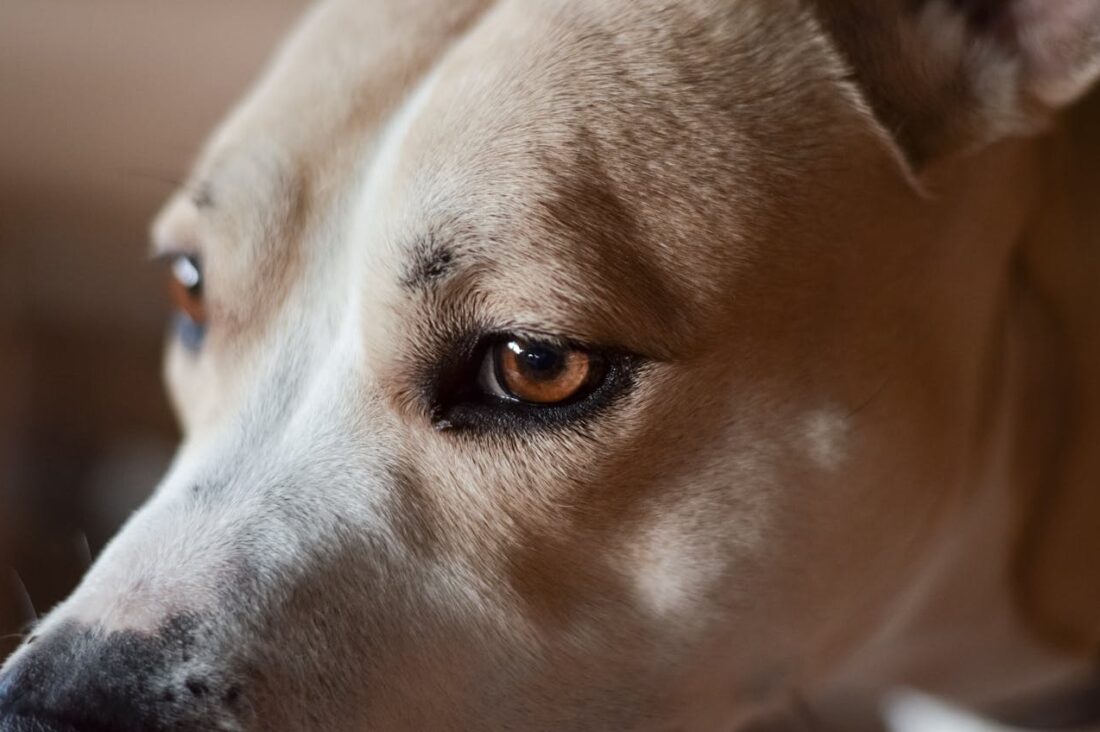
Have you ever wondered what the world looks like through your dog’s eyes? Many people still believe dogs live in a completely colorless world. They picture their furry best friend watching an old-timey, black-and-white movie.
This old idea is actually a complete myth. Science has proven that dogs can indeed see color. Their visual experience is just different from ours.
Let us set the record straight on canine vision. We will explore exactly what colors your dog can see. You will also learn how this affects their daily playtime.

Debunking the Black and White Myth
For decades, animal experts taught that dogs only saw shades of gray. This misconception began in the 1920s. Early researchers fundamentally misunderstood how animal eyes worked.
They assumed that animals lacking human-like eye structures could not perceive hues at all. This incorrect theory stuck around for a very long time. It became a widely accepted fact in pop culture.
Modern veterinary ophthalmology tells a completely different story. Dogs are actually dichromatic. This means they possess two specific types of color-receptive cones in their eyes.
Humans, on the other hand, are typically trichromatic. We have three types of cones to process red, blue, and green light. Because dogs lack that third cone, their color palette is limited.
However, a limited palette does not mean a lack of color. Your dog experiences a vibrant world. It just looks a bit different than the one you see.
Being dichromatic is very similar to a specific human condition. Think of red-green color blindness in people. Dogs experience the world in a very similar way.
They do not live in a bleak, gray wasteland. A sunny day at the park still looks beautiful to them. The grass and trees just take on different shades.
The Science of Canine Eyesight: Rods and Cones
To understand canine vision, we must look inside the eye. The retina contains two main types of light-sensitive cells. These microscopic cells are called rods and cones.
Cones are responsible for color perception and fine details. They function best in bright daylight. Because dogs have fewer cones than humans, their color resolution is weaker.
Our eyes are packed with a high density of cones. This allows us to see the world in high-definition color. Dogs have a much lower concentration of these specific cells.
Rods serve a completely different purpose. They detect light levels and track motion. Rods are incredibly sensitive in low-light conditions.
While humans win the color contest, dogs dominate in rod count. Their retinas are absolutely loaded with rod cells. This biological difference gives them a massive advantage in the dark.
When you throw a ball at dusk, your dog tracks it easily. Their eyes pick up the slightest movements. Those extra rods make them excellent twilight hunters.
Why Dogs Have Superior Night Vision
Have you ever noticed your dog walking through a dark room effortlessly? You can thank their high rod count for this superpower. They require much less light to see clearly than we do.
Dogs also have a special reflective layer behind their retina. This structure is called the tapetum lucidum. It acts like a mirror inside the eye.
This mirror bounces light back through the retina a second time. It gives the photoreceptors another chance to capture the image. This is why dog eyes glow in photographs.
Between the tapetum lucidum and abundant rods, their night vision is incredible. They trade vivid colors for the ability to see in the dark. It is a brilliant evolutionary trade-off.
Your dog might not appreciate a colorful sunset. However, they can easily spot a squirrel moving in the shadows. Their vision is perfectly adapted for their survival needs.
The Canine Color Spectrum
So, what colors do dogs actually see? Their vision primarily consists of shades of blue, yellow, and gray. These are the hues that register clearly in their brains.
When a dog looks at a bright blue sky, they see blue. When they look at a yellow tennis ball, they see yellow. These colors stand out vividly in their environment.
The trouble begins with red and green. Dogs struggle immensely to differentiate between these two colors. To a dog, red and green both look like murky shades of gray or brown.
Imagine looking at a lush green lawn. To your dog, that lawn appears as a dull, yellowish-gray expanse. A bright red rose bush looks like dark brown blobs.
This red-green color blindness changes how they interact with objects. They rely heavily on contrast and brightness. They also use their powerful sense of smell to compensate for visual limits.
If you place a red object on green grass, it becomes camouflaged. The dog cannot use color to distinguish the object from the background. They have to rely on motion or scent instead.
Understanding this spectrum completely changes how we should shop for pet supplies. We often buy things that look appealing to us. We really should be buying things that look appealing to them.
Practical Tips for Dog Owners
Now that you understand canine vision, you can make better choices. Your dog’s playtime can improve dramatically with simple changes. The most important change involves the toys you buy.
For years, pet stores have sold bright red dog toys. Manufacturers make these toys red because humans like the color. It catches our eye in the shopping aisle.
However, throwing a red toy onto green grass is a terrible idea. To your dog, the red toy and green grass are the exact same color. The toy practically disappears into the background.
If your dog struggles to find a red ball, they are not ignoring you. They simply cannot see it clearly. You are accidentally playing a very unfair game of hide-and-seek.
You should always recommend purchasing blue or yellow toys instead. A blue ball against green grass creates a sharp, visible contrast. Your dog will spot it instantly.
Yellow toys are also fantastic options for outdoor play. The classic yellow tennis ball is popular for a very good reason. It stands out perfectly against the dull gray background of a lawn.
Toy Color Comparison Guide
To make shopping easier, we created a simple guide. Use this table next time you visit the pet store. It will help you pick the best items for your furry friend.
| Toy Color | How Dogs See It | Visibility on Grass |
|---|---|---|
| Bright Red | Dark Brown / Gray | Very Poor |
| Forest Green | Yellowish Gray | Poor |
| Vibrant Blue | Bright Blue | Excellent |
| Neon Yellow | Bright Yellow | Excellent |
| Orange | Dark Gold / Brown | Moderate |
Notice how the most popular human colors perform poorly. Orange and red are highly visible to us. They are practically invisible to our pets.
Here are some quick rules for buying dog supplies:
- Always choose blue or yellow toys for outdoor grass play.
- Avoid red, green, or orange items if they need to stand out.
- Use white toys for indoor play on dark floors.
How Dogs Use Contrast to Move Around
Because their color palette is limited, dogs rely heavily on contrast. Contrast is the difference in brightness between an object and its background. This visual skill is crucial for their daily activities.
A white object on a dark floor is highly visible to them. They can spot the stark difference in light levels immediately. This is why white toys also work well indoors.
When color fails them, motion and contrast take over. If a brown rabbit sits perfectly still on dead grass, a dog might miss it. If that rabbit twitches, the dog’s motion-sensitive rods fire instantly.
You can use contrast to help older dogs, too. Senior dogs often suffer from declining vision as they age. Using highly contrasting colors helps them move through your home safely.
Improving Your Dog’s Daily Routine
Color awareness goes beyond just buying toys. You can use this knowledge for training purposes as well. Agility equipment is often painted in specific colors for a reason.
Professional dog trainers frequently use blue and yellow targets. They know the dogs can see these markers clearly from a distance. You can apply this same logic at home.
If you want to teach your dog to hit a target, make it blue. If you are buying a new bed for your dog, consider a contrasting color. Help them easily identify their personal items.
We must remember that dogs experience the world differently. Their senses are incredible, but they have specific limitations. Acknowledging these limits makes us better pet parents.
You now have the knowledge to upgrade your dog’s toy box. Go through their current toys and sort them by color. You might be surprised by how many invisible red toys you own.
Donate the red and green toys to an animal shelter. Replace them with high-contrast blue and yellow alternatives. Your dog will thank you with endless hours of enthusiastic fetch.
Pretty Fluffy is the ultimate lifestyle destination for dog lovers. Discover the best designer dog brands and emerging small pet businesses, the latest dog accessories, healthy dog treat recipes, dog training tips and more. Thank you for being part of our dog-loving community!

Fluffy Editorial is our in-house team of writers and dog nerds. We research every topic carefully, talk to professionals when needed, and focus on sharing honest advice we’d follow with our own dogs.



-
 WOOF Party Pupsicle
Long-Lasting Interactive Dog Toys for Boredom


-
WOOF Party Pupsicle
Long-Lasting Interactive Dog Toys for Boredom