
Understanding Your Responsibilities: A Guide to Dog Bite Prevention and Liability
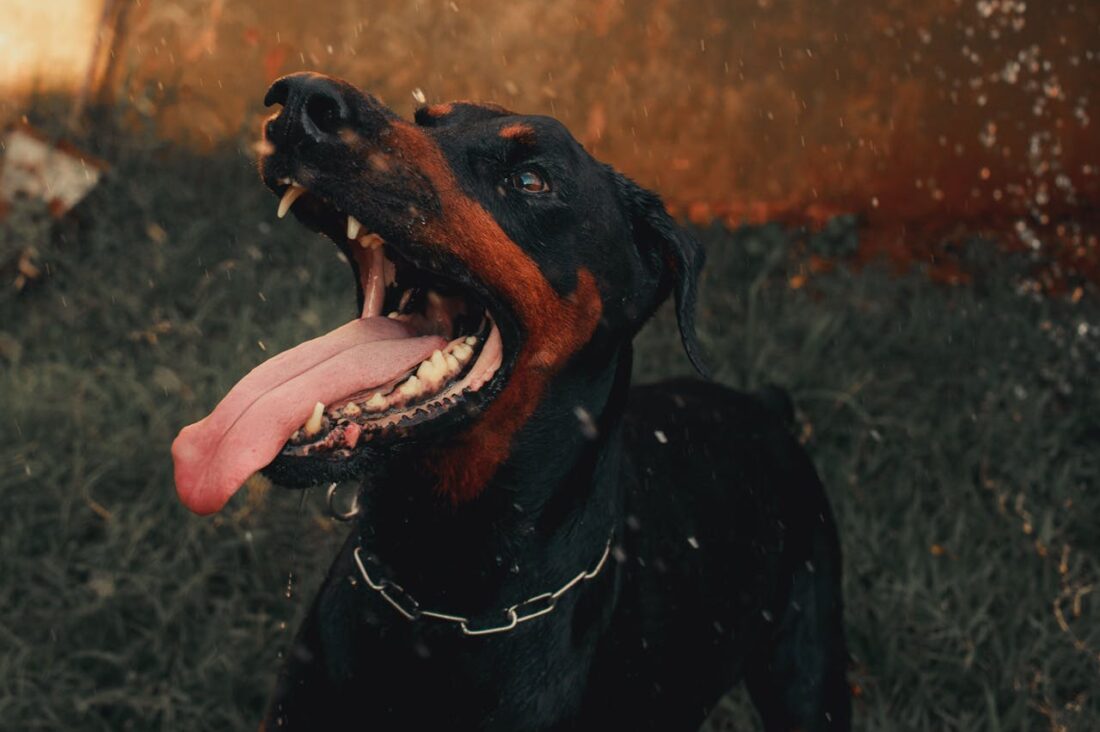
The bond between a human and a dog is a powerful one, filled with unconditional love, loyalty, and countless moments of joy.
Bringing a dog into your life is a rewarding experience, but it also comes with a significant set of responsibilities. Beyond providing food, shelter, and affection, responsible dog ownership extends to ensuring the safety of both your pet and the community.
This includes understanding and actively working to prevent dog bites, as well as being aware of the legal liabilities that come with ownership. This guide will walk you through the essentials of dog bite prevention and what it means to be a truly responsible dog owner.

The Unspoken Responsibility: Preventing Dog Bites
Preventing a dog bite is always the best course of action. Proactive measures not only protect others but also protect your dog from a potentially tragic outcome. A bite incident can lead to serious consequences, including legal action, quarantine, or even euthanasia for the dog. By focusing on prevention, you create a safer environment for everyone.
Socialization is Key
Proper socialization from a young age is one of the most effective ways to raise a well-adjusted and non-aggressive dog. Exposing your puppy to a wide variety of people, places, sounds, and other animals in a positive and controlled manner helps them develop confidence and reduces fear-based aggression later in life.
A well-socialized dog is less likely to be startled or feel threatened by new situations, which are common triggers for biting.
Recognizing the Signs
Dogs rarely bite without warning. They communicate their discomfort or anxiety through a series of subtle body language cues. Learning to recognize these signals is crucial for preventing a bite. Some common signs of stress in a dog include:
- Yawning, licking lips, or avoiding eye contact: These are often the first signs of anxiety.
- Tail tucked between the legs: A clear indicator of fear.
- Ears pinned back: A sign of submission or fear.
- Growling or showing teeth: These are more direct warnings to back off.
If you notice your dog exhibiting any of these behaviors, it’s important to remove them from the situation immediately to de-escalate their stress.
Training for a Safer Companion
Consistent, positive reinforcement training is another cornerstone of responsible dog ownership. A well-trained dog is not only a pleasure to be around but also a safer one.
Basic obedience commands like “sit,” “stay,” and “come” can be invaluable in managing your dog in various situations. For those looking to get started with a gentle and effective training method, clicker training is an excellent option that builds a positive bond between you and your pet.
When Prevention Fails: Understanding Liability
Despite our best efforts, dog bites can still happen. In the unfortunate event that a bite occurs, it’s important to understand the legal landscape.
Dog bite laws vary significantly from state to state, but they generally fall into two categories: “one-bite rule” states and “strict liability” states. According to the Insurance Information Institute, about 29 states have strict liability laws for dog bites [1].
The “One-Bite Rule” vs. Strict Liability
In states with a “one-bite rule,” a dog owner may not be held liable for the first time their dog bites someone, provided the owner had no reason to believe the dog was dangerous. However, after that first incident, the owner is on notice and can be held liable for future bites.
In contrast, strict liability states hold dog owners responsible for any injury their dog causes, regardless of whether the owner knew the dog was aggressive.
This means that even if your dog has never shown any signs of aggression before, you could still be held legally and financially responsible for a bite.
What to Do if Your Dog Bites Someone
If your dog bites someone, it’s crucial to act responsibly and calmly. First, secure your dog to prevent any further incidents. Then, provide your contact information to the injured person and encourage them to seek medical attention.
It’s also important to have your dog’s vaccination records readily available. The Centers for Disease Control and Prevention (CDC) offers comprehensive guidance on what to do after a dog bite to ensure the health and safety of all involved [2].
Creating a Safe Environment for Everyone
Responsible dog ownership is an ongoing commitment that involves creating a safe environment for your dog and those around them. This means being mindful of your dog’s behavior and taking precautions in public and at home.
Leash Laws and Public Spaces
Always adhere to local leash laws. Keeping your dog on a leash in public not only prevents them from running off but also gives you better control in unexpected situations.
Even if your dog is friendly, it’s important to remember that not everyone is comfortable around dogs, and other dogs may not be as friendly as yours.
Visitors and Your Dog
When you have guests over, it’s important to manage the interaction between your dog and your visitors. Not all dogs are comfortable with strangers in their home.
If your dog shows signs of stress or anxiety around new people, it’s best to put them in a separate, quiet room with a favorite toy or treat.
For dogs that struggle with behavioral issues, seeking professional training support can make a world of difference in creating a more harmonious home environment.
Legal Recourse and Seeking Help
For those who have been the victim of a dog bite, the experience can be both physically and emotionally traumatic. It’s important to know that there are legal avenues available to help you recover from your injuries.
If you find yourself in a situation where you’ve been bitten and need to understand your legal options, it’s wise to click for Flaxman Law Group for professional guidance.
An experienced legal team can help you navigate the complexities of dog bite law and ensure you receive the compensation you deserve for medical bills, lost wages, and pain and suffering.
Conclusion
Being a dog owner is a privilege that comes with a profound responsibility to ensure the well-being of our pets and our communities.
By prioritizing socialization, training, and responsible management, we can significantly reduce the risk of dog bites.
And by understanding our legal obligations, we can be prepared to act responsibly in any situation.
Ultimately, responsible dog ownership is about fostering a safe and loving environment where both humans and dogs can thrive together.
References
[1] Insurance Information Institute. (2023). Spotlight on: Dog bite liability. https://www.iii.org/article/spotlight-on-dog-bite-liability
[2] Centers for Disease Control and Prevention. (2021). Dog Bites. https://www.cdc.gov/healthypets/pets/dogs.html
[3] American Veterinary Medical Association. Dog bite prevention. https://www.avma.org/resources-tools/pet-owners/dog-bite-prevention





-
 WOOF Party Pupsicle
Long-Lasting Interactive Dog Toys for Boredom


-
WOOF Party Pupsicle
Long-Lasting Interactive Dog Toys for Boredom