
Can Dogs Eat Cheese? What to Know Before You Share
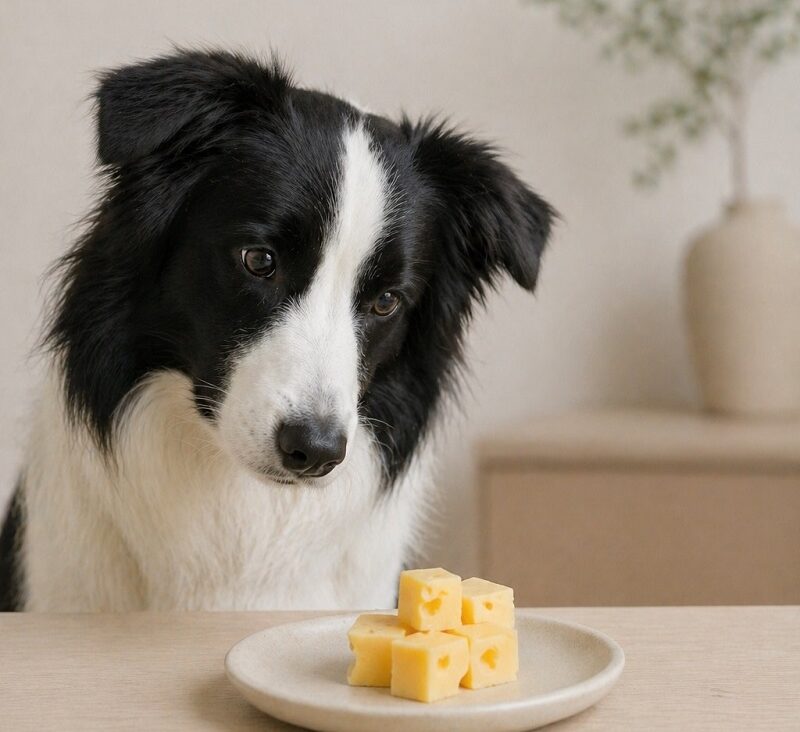
There are certain sounds dogs seem to know by heart.
The treat bag. The food bowl. And, somehow, the tiny crinkle of a cheese wrapper from three rooms away.
One second the kitchen is empty. The next, there’s a dog sitting politely by the fridge, acting like cheese has always been part of their legal rights. That’s usually when the question hits: can dogs eat cheese, or is this one of those snacks best kept to humans?

Can Dogs Eat Cheese Without Problems?
Yes, dogs can eat cheese, but not every dog handles it well.
For some dogs, a small piece is completely fine. For others, even a little can lead to gas, bloating, or loose stools. It mostly depends on how well they digest dairy.
Cheese is best treated as an occasional reward, not a daily snack.
Why Cheese Can Upset Some Dogs
Many dogs do not digest lactose well.
Cheese has less lactose than milk, but it can still cause issues for sensitive dogs. It is also rich and high in fat, which can be too much for some stomachs.
Start with a tiny piece and see how your dog reacts over the next day.
Best Types of Cheese You Can Give Your Dog
Some cheeses are easier on dogs than others.
Can Dogs Have Cottage Cheese?
Yes, in small amounts.
Plain cottage cheese is usually easier to digest than richer cheeses. Choose low-fat if possible, and avoid anything flavored.
Can Dogs Eat Mozzarella Cheese?
Yes, mozzarella can be safe in small pieces.
It is mild and soft, which makes it easy to use as a treat. Keep it plain and portioned.
Can Dogs Eat Cheddar Cheese?
Yes, but keep it limited.
Cheddar is popular with dogs, but it is richer and higher in fat. A small cube is enough.
Can Dogs Eat Parmesan Cheese?
Only a tiny amount.
Parmesan is salty, so it is better as a light sprinkle than a snack.
Can Dogs Eat String Cheese?
Yes, if it is plain.
Most string cheese is mozzarella. Pull it into small pieces so your dog does not gulp it down.
Cheeses You Should Limit or Avoid
Not every cheese is worth sharing.
Can Dogs Eat Cream Cheese?
A small amount is usually fine, but it is very rich.
Plain cream cheese is safer than flavored versions. Avoid anything with garlic, onion, herbs, or sweeteners.
Can Dogs Eat Feta Cheese?
It is better to avoid it.
Feta is high in salt, which is not ideal for dogs. A tiny crumb is unlikely to be a problem, but it should not become a habit.
Blue cheese should be avoided completely, and processed cheese slices are not a great choice either.
How Much Cheese Is Safe for Dogs?
Less than you think.
For small dogs, one or two tiny pieces is plenty. Larger dogs can have a little more, but cheese should still stay occasional.
Think of it as a high-value treat, not part of dinner.
Using Cheese Safely for Training and Treats
Cheese works well because dogs usually care about it immediately.
Use tiny pieces during training, recall practice, or when hiding medication. The goal is to use just enough to get their attention without overdoing it.
Signs Your Dog Should Not Eat Cheese
Skip cheese if your dog reacts badly after eating it.
Watch for diarrhea, vomiting, gas, bloating, itching, or skin irritation. If any of those show up, dairy may not be a good fit.
Better Alternatives If Cheese Doesn’t Work
There are plenty of easy swaps.
Plain cooked chicken, carrot pieces, cucumber slices, or apple pieces without seeds can all work well. They are simple, easy to portion, and often easier on the stomach.
FAQ
Can dogs eat cheese every day?
It is better not to.
Cheese is high in fat and calories, so daily portions can lead to stomach issues or weight gain.
Can dogs drink milk?
Milk is more likely to upset a dog’s stomach because it has more lactose than most cheeses.
What happens if my dog eats too much cheese?
They may get diarrhea, gas, vomiting, or stomach discomfort. If symptoms are severe or your dog seems unwell, call your vet.
Is cheese safe for puppies?
Only in very small amounts.
Puppies have sensitive stomachs, so introduce it slowly or skip it altogether.
What cheese is safest for dogs?
Plain, low-fat cottage cheese or mozzarella are usually better options. Keep portions small.
Final Thoughts
Cheese can be fine for dogs, but it is one of those treats that needs a little common sense.
Choose plain, mild cheeses. Keep portions small. Watch how your dog reacts.
If it suits them, it can be a useful reward now and then. If it does not, there are plenty of other treats that do the job just as well.
Pretty Fluffy is the ultimate lifestyle destination for dog lovers. Discover the best designer dog brands and emerging small pet businesses, the latest dog accessories, healthy dog treat recipes, dog training tips and more. Thank you for being part of our dog-loving community!

Fluffy Editorial is our in-house team of writers and dog nerds. We research every topic carefully, talk to professionals when needed, and focus on sharing honest advice we’d follow with our own dogs.



-
 WOOF Party Pupsicle
Long-Lasting Interactive Dog Toys for Boredom


-
WOOF Party Pupsicle
Long-Lasting Interactive Dog Toys for Boredom