
The First Year With Your Puppy: Routines, Training, and Confidence

With a new cute puppy comes great responsibility. Make sure you check all of them.
Life with a new puppy is filled with happy moments, unpredictable difficulties, and a lot of questions about the future. Every new day is a new start in learning, patience, and enjoying modest victories that gradually build trust between the pup and its owners. The first year, however, is the most crucial period since it is during this period that new habits and feelings are formed quite quickly.
With a proper training routine, peaceful training, and a good attitude of encouragement, your pup will become a secure companion to you and also enable its owners to gain confidence in the process. The process of the pet-owner relationship becomes more rewarding, particularly when one decides to raise a small dog breed such as a Mini Goldendoodle puppy.
Understanding Your Puppy’s First-Year Development Stages
The first year is associated with robust physical development, emotional changes, and mental growth. Each phase is characterized by new requirements and habits. The awareness of such puppy development phases can enable their owners to make informed choices, establish expectations, and develop emotional resilience, in addition to establishing trust and communication.

Let us now define the key growth milestones of puppies that owners can expect!
- 8–10 Weeks: Adjustment Phase: It is the stage at which the puppies begin to pay attention to all the things surrounding them, like the sounds and the environment. The fear can be solved by giving your pup a peaceful experience and exposure, which will make them live better in the future. Curiosity gradually develops, becoming a crucial phase in easing the introduction and building early trust.
- 3 to 4 Months: Learning and Exploration: The greater the coordination, the greater the confidence. Puppies are more independent and reward-responsive. It is easier to train during this period because attention and interest are naturally increasing together.
- 4 to 6 Months: Teething and Testing Boundaries: This stage introduces teething pain, resulting in the excessive chewing and nipping of the puppies. Pups begin to challenge regulations other than becoming physically strong. Drawing strong boundaries and consistency assists in the avoidance of bad habits from developing, in addition to strengthening the acceptable behaviors.
- 6 to 9 Months: Adolescence Begins: The changes in hormones cause disruption of attention and impulsive behavior. The previously learned commands might seem forgotten. Repetition and patience will be of help in keeping a balanced development of this emotion-sensitive phase.
- 9 to 12 Months: Emotional Maturity Developing: This is the period when the pup is approaching adult size, but its emotional development remains the same. Confidence seems to be enhanced, and this is largely because of the routines and social exposure. With proper training, pups begin to react positively, but in this case, guidance and reassurance are mandatory.

Your Puppy’s First Year: A Month-by-Month Guide

The pet owners may find the initial year to pass quickly, with each phase setting the stage right for learning possibilities. Knowledge about the monthly changes can help in adjusting expectations and training strategies without any discomfort.
0 to 3 Months: Adjustment and Bonding
The first couple of weeks are concerned with safety, comfort, and trust. Confidence is developed through gentle manipulation, routines, and positive reinforcement. The American Kennel Club (AKC) reported that puppies have their first socialization period within the first 16 weeks, and early exposure is the key to long-term behavior development. Relaxation exercises aid in building safety and emotional stability.
3 to 6 Months: Exploration and Learning
Confidence increases as puppies become more active in the world. Attention span is enhanced, making training more interesting. Curiosity facilitates the acquisition of new orders and social behaviors. Regular practices ensure that there is a balance between excitement and rest.
On busy days, dog daycare services can give puppies structured play and rest breaks, which supports those early social behaviors. The advantage of this stage is organized play, early leash training, and mild corrections coupled with encouragement.
6 to 12 Months: Adolescence Phase
During adolescence, emotional ups and downs and boundary-testing occur. Focus and impulse control are hormonal. According to the American Veterinary Medical Association (AVMA), behavioral changes tend to emerge at this stage, particularly independence. Training will further strengthen trust and help avoid frustration. Order and patience are used to direct puppies to emotional maturity.
Essential Tips for Navigating Your Puppy’s First Year
The routines and careful instructions of everyday life bring stability even in times of fast development. All the necessary strategies contribute to self-confidence, education, and emotional stability during the first year.
Establishing Daily Routines From Day One
Routine activities make puppies feel secure and learn what is expected of them. Structure lowers anxiety, training effectiveness, and emotional protection.
Feeding Schedules
The regularity of meals controls digestion and energy. Constantly, when food comes, the puppies learn to stop begging and worrying. Scheduled feeding facilitates potty training since elimination is predictable. Regulated portions avoid excess feeding and promote normal growth and development.
Sleep and Rest Patterns
The brain needs a lot of sleep and emotional control, which is achieved when the puppy sleeps a lot. According to the American Kennel Club (AKC), in the early months of their development, the puppies can sleep up to 18 hours a day. Planned nap hours help to avoid overstimulation and aid learning retention and a relaxed demeanor during the day.
Potty Routines
Frequent potty training helps keep the bladder healthy and reduces the number of accidents. Post-meal walks, naps, and playtime are beneficial to puppies. Success that is calmly praised is quicker to create understanding than corrected mistakes.
House Training Your Puppy Successfully
Training in the house develops communication and trust. Clarity and patience will ensure that there is no confusion, and the positive habits will be supported.
Potty Training Basics
Observation is the key to identifying signs such as sniffing or circling. Immediate outdoor trips can help teach association building, a connection between location and elimination. Rewarding pups immediately can reinforce correct behavior. Gentle redirection following the mistakes can help avoid fear and stress.
Crate Training the Right Way
Crates build a sense of security when introduced to pups positively. Short crate sessions, including your pup’s comfort items, can create a safer retreat for them. The proper size of the crate allows your pup to stand and turn without taking up much space. Slow duration can increase their comfort, preventing any anxiety.
Handling Accidents Calmly
Accidents often highlight learning stages, not disobedience. The Humane Society reports that punishment increases fear and delays learning. Calm cleanup without reacting negatively can maintain trust. Routine adjustment and redirection can enhance their success over time.
Basic Obedience Training in the First Year
Training creates communication and confidence. Emotional balance and attention are supported by short sessions with encouragement.
When to Start Training
Training is started through everyday interaction. Basic cues gave early warning against misunderstanding in the future. Light repetition and recognition create recognition without coercion.
Core Commands to Teach First
- Sit: This order is an impulse control and concentration order. Sitting at meals or greetings enhances the behavior of calmness and attention.
- Stay: Stay develops patience and safety awareness. This is achieved through short distances and short durations to foster early success.
- Come: Memories enhance confidence and security. High-value rewards promote trusted reactions in distracting situations.
- Down: Down is used to facilitate relaxation. This command can be used to deal with excitement and anxiety.
- Leave It: Leaving it eliminates unsafe actions. Self-control and confidence are taught through restraint.
Positive Reinforcement Methods
Treats, praise, and play are rewards that promote repetition. It is more about timing than the reward size. A sense of trust is reinforced through positive reinforcement, and the learning enthusiasm is retained.
Building Emotional Confidence and Independence
Emotional development needs a balance of reassurance and independence. Puppies are good when they are left to roam freely.
Preventing Separation Anxiety
Slow time of solitude develops independence. According to the American Veterinary Society of Animal Behavior (AVSAB), anxiety disorders are minimized through early prevention. Moments of absence, coupled with non-violent reentry, normalize independence.
Encouraging Exploration Safely
Safe exploration builds confidence and problem-solving abilities. By restricting their exposure to potential hazards, they can be eradicated. Mild reinforcement assists the puppies’ movement in some situations of uncertainty.
Reading Puppy Body Language
Signals that can be used to tell emotions include posture and position of the tail. Being aware of the stress symptoms will allow one to be reassured in time.
Mental Stimulation and Enrichment Activities
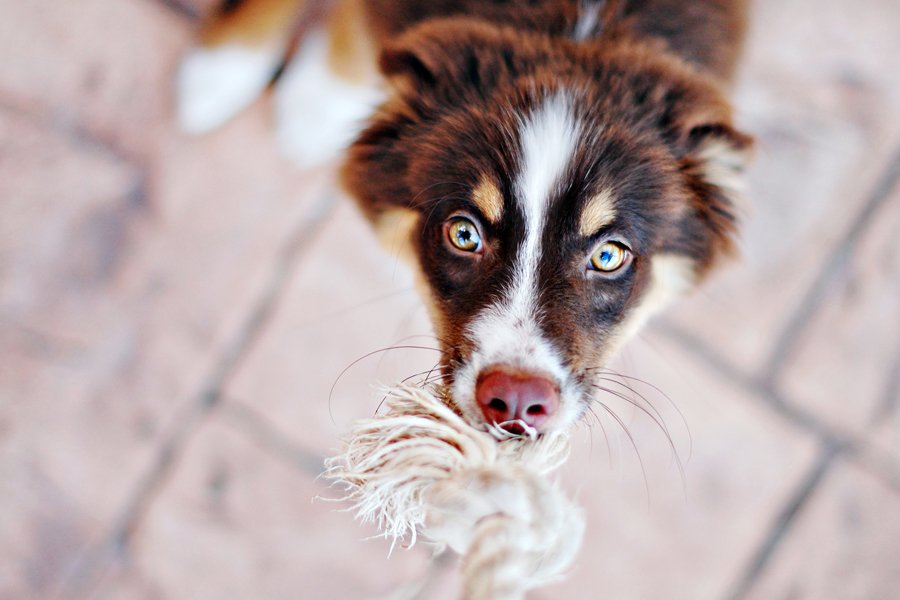
The initial year is also marked by the strong impact of mental stimulation on the establishment of emotional balance and behavior. Puppies are supposed to be tested mentally regularly to prevent boredom and stress and to improve concentration. Enrichment activities encourage confidence, problem-solving abilities, and flexibility, and strengthen relationships through mutual involvement.
Brain Games and Puzzle Toys
Puzzle toys involve puppies in thinking, observing, and resolving some simple problems. Treat dispensing toys are known to promote patience and persistence and minimise boredom behaviours such as chewing or barking. Progressively harder difficulty keeps interest high and promotes mental growth. Puppies are also frequently exhausted by mental work, which is more effective than just exercise, and this keeps them calm throughout the day.
Training Through Play
Play-based training combines learning with fun, and therefore, commands become rewarding and not demanding. Fetch, tug, and hide-and-seek are examples of games that reinforce recall, impulse control, and focus. Positive play forms trust and enhances communication. Limited play sessions are attention-seeking but not frustrating. Fun encourages learning and motivates and emotionally attaches the puppies.
Health, Vet Care, and Wellness Routines
A regular health routine helps in frequent physical exercises and emotional stability during the first year. Wellness activities implemented early will help the puppies to feel secure whenever they are handled, taken to the veterinary clinic, and when attending to their daily needs, and establish a foundation of long-term health.
Vaccination and Vet Visit Schedules
The puppies have been taken care of by regularly visiting the veterinarian at a time when their immunity is at its weakest. According to the recommendations provided by the American Veterinary Medical Association (AVMA), core puppy vaccinations significantly reduce the risk of life-threatening infectious diseases during the first year. Regular vetting schedules help in proper development, early detection of issues, and peaceful personalities.
Grooming and Handling Habits
Following essential dog grooming tips routinely can help them accept touch more readily. Mellow brushing, ear examination, and paw treatment aid in normalizing care actions. Cooperation and trust are established through short sessions combined with praise. Early grooming minimizes anxiety in the future, and professional grooming or healthcare becomes less stressful to both the puppy and the owner.
Nutrition and Growth Monitoring
Adequate nutrition can be used to sustain bone density, muscle-building, and energy regulation. Monitoring of weight and body condition is done to prevent excess feeding or malnutrition. Control of portions according to the growth rate and level of activity fosters healthy growth. Frequent feeding opportunities also reduce gut issues and improve multidimensional body comfort at the accelerated growth stages.
Common Challenges in the First Year
The initial year is associated with various difficulties that mirror ordinary learning and development. Knowing these problems can help one be patient and offer the right advice.
- Teething Behaviors: The growth of teeth enhances chewing and decreases gum discomfort. In this transitional stage, proper chew toys redirect behavior and salvage furniture.
- Inconsistent Listening: Disobedience of puppies occurs because they fail to concentrate on the instructions at different stages of development. Practice and calm reinforcement can be applied in regaining credible responses.
- Fear Periods: Development is followed by temporary fear responses. In the long run, anxiety is preventable, and emotional strength can be built by reassuring the patient gently and exposing the patient to positive things.
- Overexcitement and Jumping: Jumping or Barking is a result of impulse control problems. The daily habits and activities teach us to behave in the right way of attention seeking and calmness.
- Accidents Indoors: With age, bladder control is slow to build. The potty routine and patience are reducing the disappointments and helping to train the house successfully.
Conclusion
The behavior, confidence, and adaptability of a pup are determined by the first year of life. When owners are patient, consistent, and strategic with the pups, balanced development is guaranteed. Even little everyday decisions can assist in establishing trust, knowledge, and strength. A calm approach can assist in stabilization and enhancement of the pup-owner relationship that is built steadily and successfully throughout the puppyhood.



-
 WOOF Party Pupsicle
Long-Lasting Interactive Dog Toys for Boredom


-
WOOF Party Pupsicle
Long-Lasting Interactive Dog Toys for Boredom
[…] a colorful sheet as a backdrop and add props like paper bones. You can also print photos of your puppy’s first year and scatter them on the human food table for a sweet […]
[…] The First Year With Your Puppy: Routines, Training, and Confidence […]
[…] The First Year With Your Puppy: Routines, Training, and Confidence […]