
Is Fresh Cooked Dog Food Best for Senior Dogs?

We all know the feeling. You look down at your silver-faced best friend, and for a split second, you’re transported back to the day they were a clumsy, zoomie-filled puppy. But as the years go by, those zoomies might get a little slower, and that once-shiny coat might lose its luster.
As our dogs enter their golden years, we naturally start questioning everything: Are we walking them enough? Are those stairs getting too steep? And, most importantly, is the food in their bowl truly helping them thrive, or is it just “fine”?
The buzz around fresh cooked dog food has reached a fever pitch lately. It’s no longer just a luxury for the pampered pups of Instagram; it’s becoming a serious consideration for pet parents who want to extend the “healthspan” of their aging companions. But is it actually best for senior dogs? Let’s dig into the science, the sizzle, and the steak.

The Changing Engine of a Senior Dog
Aging isn’t just about grey muzzles; it’s a total biological shift. Inside your senior dog, their metabolism is slowing down, their immune system is becoming less “alert,” and their digestive tract isn’t as efficient at extracting nutrients as it used to be.
Many senior dogs also face the “picky eater” phase. This often isn’t just sass — it can be due to a declining sense of smell and taste, or even dental discomfort that makes hard kibble feel like chewing on rocks.
This is where the quality of the ingredients becomes a game-changer. For aging pups, every calorie needs to count. They need highly digestible proteins to maintain muscle mass (which naturally wastes away as they age) and plenty of moisture to support kidney function.
If you are looking for a way to revitalize your old friend’s diet, try specialized recipes from California Dog Kitchen, that focus on high-quality, organic ingredients tailored for aging dogs. Their meals are designed by veterinary nutritionists to ensure your dog gets the perfect balance of proteins and antioxidants to support joint health and cognitive function.
Why Fresh Food is Making Waves for Seniors
When we talk about “fresh cooked” food, we aren’t talking about scraps from your dinner plate. We’re talking about human-grade meats and vegetables, gently cooked at lower temperatures to preserve the natural vitamins and enzymes that high-heat processing (like the kind used to make kibble) often destroys.
If you’re looking for a way to revitalize your old friend’s diet, companies like California Dog Kitchen offer specialized recipes that focus on high-quality, organic ingredients tailored for aging systems. Their meals are designed by veterinary nutritionists to ensure your dog gets the perfect balance of proteins and antioxidants to support joint health and cognitive function.
Benefits of Fresh Food for Your Dog’s Golden Years
If you’re on the fence, here is a breakdown of how a fresh diet specifically addresses the “Senior Struggles”:
1. Gentler on the Gut
Senior dogs often suffer from “leaky gut” or general digestive sensitivity. Fresh food is significantly more bioavailable than processed pellets. This means your dog’s body doesn’t have to work nearly as hard to break down the food, and more of the “good stuff” actually makes it into their bloodstream. Bonus: This usually leads to smaller, firmer, and — thankfully — less smelly stools.
2. Hydration Without the Effort
Kidney issues are a common concern for older dogs. While we can’t force a dog to drink more water, we can give them food that is naturally hydrating. Fresh food typically contains around 70% to 75% moisture, whereas kibble sits around 10%. This extra hydration provides a constant, gentle flush for the kidneys and helps keep their skin and coat from becoming brittle and dry.
3. Muscle Maintenance
Muscle wasting (sarcopenia) is one of the biggest threats to a senior dog’s mobility. If they lose the muscle in their hind legs, they lose their ability to get up and move. High-quality, gently cooked animal protein is much easier for an old body to utilize for muscle repair than the plant-based “fillers” often found in budget-friendly dry foods.
4. The “Yum” Factor
Let’s be honest: a bowl of warm, fragrant chicken and squash smells a lot better than a bowl of brown biscuits. For a senior dog with a fading appetite, the aroma and texture of real food can be the difference between them finishing their meal or walking away from the bowl.
Common Myths About Senior Dog Nutrition
Before you make the switch, it’s important to clear up some old-school misinformation that still floats around the dog park.
Myth: Senior Dogs Need Low Protein
For decades, it was believed that high protein damaged a dog’s kidneys. We now know that’s not true for healthy senior dogs. In fact, many seniors actually need more high-quality protein to prevent muscle loss. Unless your vet has diagnosed your dog with advanced kidney disease, don’t skimp on the meat!
Myth: Soft Food Causes Dental Decay
While kibble provides a tiny bit of mechanical scraping, it’s not a replacement for brushing. Most kibble is shattered by the teeth so quickly that it provides almost no dental benefit. Whether you feed fresh or dry, you still need to stay on top of those dental chews and vet cleanings.
Myth: You Have to Go “All or Nothing”
You don’t have to overhaul your dog’s entire life overnight. Even adding 20% fresh food to their current diet can provide a massive boost in antioxidants and nutrients. It’s like us adding a big salad to a diet of fast food — it still makes a difference.
If you decide that fresh is the way to go, remember that a senior dog’s digestive system is like a vintage car — it doesn’t like sudden turns.
- The 10-Day Rule: Start by mixing just 25% fresh food with 75% of their old food. Every few days, increase the fresh and decrease the old.
- Watch the Fat: Some fresh recipes can be rich. If your dog has a history of pancreatitis, look for lean proteins like turkey or venison.
- Temperature Matters: Seniors can be sensitive to cold. If you’re pulling the food from the fridge, let it sit out for a few minutes or add a splash of warm water to take the chill off.
Conclusion
At the end of the day, “best” is subjective. If your senior dog is thriving on their current food, has a shiny coat, and clear eyes, you’re doing great! But if you’re noticing they’ve lost their spark, are struggling with itchy skin, or seem disinterested in dinner, fresh cooked food might be the key that unlocks a few more vibrant, “puppy-like” years.





-
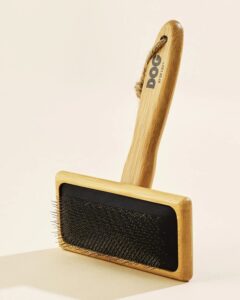
 DOG By Dr Lisa Dog Brush
lovely everyday brush for dog parents who want something gentle and easy to use.

-
DOG By Dr Lisa Dog Brush
lovely everyday brush for dog parents who want something gentle and easy to use.