
How to Plan a Long-Distance Road Trip With Your Dog
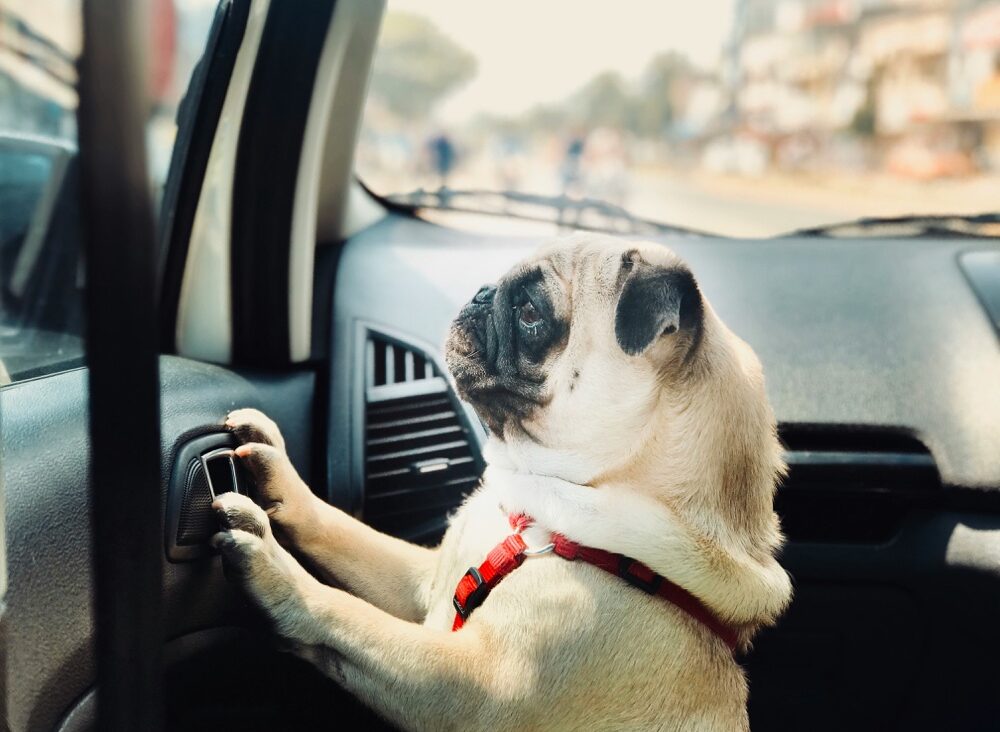
The popularity of road trips soared during the pandemic because they offered safety, flexibility, and affordability. The trend has not slowed down, even years after COVID-19. A Forbes article cited a study showing that 60% of American families planned to travel via personal or rental vehicles in the summer of 2025. In the same year, people wanted to spend less on vacations due to the overall macroeconomic conditions.
While road trips are ideal for families, you may need a little more planning if you have a canine companion in your clan. Dogs thrive on routine and familiarity, so sudden long hours in the car, strange places, and shifting schedules can be overwhelming.
When you plan ahead, you reduce stress for both of you and avoid last-minute emergencies. The goal isn’t just to get from point A to point B, but to make the journey itself safe, calm, and dog-friendly. Here are a few tips to enjoy a long-distance road trip with your Fido.

Get Your Dog Comfortable Beforehand
The American Humane Society notes that not all dogs are comfortable in cars. Some prefer their homes because new environments stress them out. Others may find the sound and vibrations of the motor scary. Wherever their phobia stems from, you can create positive experiences to help your pet associate them with your car.
Start practicing weeks in advance, with short, low-pressure drives around the neighborhood. Pairing each ride with something positive, like treats, praise, or a walk at the destination, is a good idea. Gradually increase the duration so your dog learns that the car is a normal part of life. Keep early rides short enough that your dog ends on a calm note rather than a meltdown.
If your dog gets motion sick or visibly stressed, talk to your vet before the trip. They may recommend options for anti-nausea medication, calming chews, or other supports. Give your dog a chance to sit or lie down in their harness, crate, or car seat while the car is parked to make the setup feel familiar.
Plan a Pet-Friendly Route
A long-route road trip with a dog is not the time for “drive straight through” heroics. Look at your route and pick pet-friendly ones. Pet Friendly Travel lists a few road trips in the US that are worth exploring with your furry companion. These include the ones traversing through Florida, California, Tennessee, North Carolina, Virginia, Oregon, and New England.
When planning for the long haul, build in regular stops, roughly every 2–3 hours, for bathroom breaks, quick walks, and water. Choose places where you can safely walk your dog on leash away from crowds, traffic, and hot pavement. Many highway rest areas, gas stations, and larger parks have grassy spots or designated pet areas. You can bookmark these ahead of time to prevent desperate searching when your dog really needs to go.
When booking overnight stays, search for pet-friendly hotels, motels, cabins, or campgrounds. Check the size, breed, and fee policies. Some places limit the number of dogs or require crates when left unattended. Try to avoid routes with long stretches of extreme temperatures, heavy traffic, or isolated roads.
Commit to Defensive Driving
When you travel with a dog, you’re responsible for more than just yourself. Defensive driving becomes even more important because sudden braking, swerving, or collisions can injure an unsecured dog. Always secure your dog with a crash-tested harness attached to a seat belt, a secured crate. Letting dogs ride loose in the front seat, on laps, or with their heads out the window is dangerous.
Driving defensively means giving extra following distance, avoiding aggressive lane changes, and sticking to speed limits. Keep your attention on the road instead of turning around to manage your dog. You must also be vigilant about other drivers on the road, as someone else’s negligence can cause a crash. A car accident lawyer can intervene if the damages and injuries are severe in such cases.
TorHoerman Law notes that victims can claim compensation from a negligent driver if they are not at fault. This means you can also include the injuries sustained by your pet when estimating the settlement. Treat your dog like any other valued passenger whose safety shapes how you drive.
Pack Essentials
Packing well for your dog can prevent stress, sickness, and emergency runs to unfamiliar stores or vets. PureWow has a list of the basic essentials you need when traveling by road with your pet. A dog travel bag with enough space to hold food, treats, cleaning wipes, poop bags, a leash, and a first-aid kit can help you keep things organized.
Also, carry collapsible bowls, food, a seat protector, and a bed that can fit into your car. Bring any medications, supplements, or preventive treatments your dog takes. Written instructions and your vet’s contact details can be valuable. A copy of vaccination records and a recent photo of your dog are useful if you need a new vet on the road or, worst-case, if your dog gets lost.
Comfort items like a familiar blanket, mat, favorite toys, and a chew can keep your Fido occupied in the car or hotel. A basic pet first-aid kit includes bandages, antiseptic wipes safe for dogs, tweezers, and any recommended items from your vet. Think of your dog’s bag like a toddler’s. Overprepared is better than scrambling without what you need.
FAQs
Is it a good idea to bring a dog on a road trip?
Bringing your dog on a road trip is a good idea if they are reasonably healthy, not severely anxious in the car, and you’re willing to adjust your travel style. Dogs who enjoy being with their people, exploring new places, and going for walks often love the experience. However, it is better to avoid it if your dog has extreme car anxiety, severe health issues, or becomes aggressive in new environments.
What to feed a dog during a road trip?
The best approach is to stick as closely as possible to your dog’s regular food and schedule. Sudden changes in diet, treats, or feeding times can cause digestive upset. Feed your dog their normal food in measured portions and offer water regularly in small amounts. Also, avoid human food and scraps as they can make your pooch sick in the middle of nowhere.
Is 20 miles too far for a dog?
Whether 20 miles is too far for a dog depends on factors like age, breed, temperament, and health conditions. For a car ride, 20 miles is usually quite manageable for most dogs if they are not severely car-sick or anxious. Many dogs routinely handle drives of that length without any issue.
A road trip with your dog transforms a simple drive into a shared adventure when you prioritize their comfort and safety from the start. You can minimize stress and maximize joy by embracing flexibility. Consider extra breaks, familiar routines, and attentiveness to their cues to keep your pooch happy. Whether exploring new trails or just cruising highways, these steps ensure your furry co-passenger thrives.





-
 DOG By Dr Lisa Dog Brush
lovely everyday brush for dog parents who want something gentle and easy to use.


-
DOG By Dr Lisa Dog Brush
lovely everyday brush for dog parents who want something gentle and easy to use.