
A Guide to Choosing Healthy Dog Food: Everything Dog Owners Need to Know
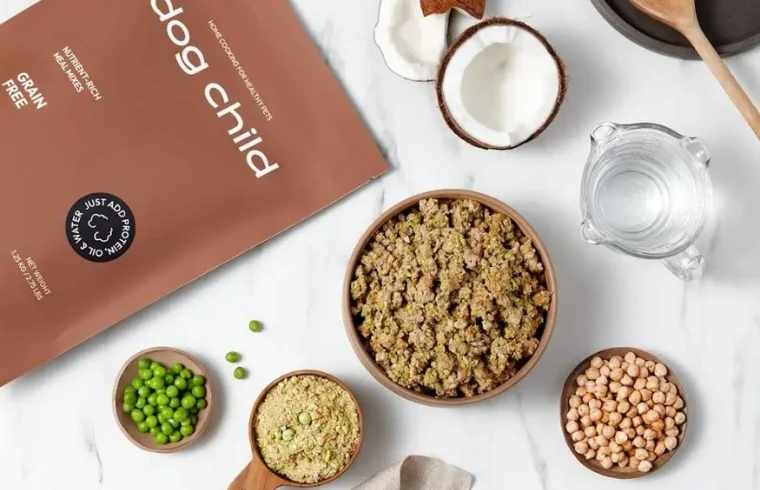
Good food = happy dog, wagging tail guaranteed.
Deciding on a healthy dog food is one of those choices that can keep us up at night.
We often stare at twenty different bags in the store. We just want to do right by the pups who follow us everywhere. It is a lot of pressure because their whole life depends on that bowl.
We do not need science degrees to get this right. We just need honest help from one group of dog lovers to another.

This guide cuts through the noise so we can feed our best friends with total confidence.
What Is Considered Healthy Dog Food?
Real health goes beyond a shiny label. It is about a recipe that meets the specific “complete and balanced” standards set by safety groups like AAFCO.
But a stamp on a bag is just the start. To truly thrive, your dog needs a diet that hits three specific targets: a perfect nutrient mix, the right energy load, and support for their specific age.
The Six Essential Nutrients
We like to think of these as the basic building blocks for everything dogs do. Every meal needs a specific blend of six things to keep them going.
- Proteins support muscle,
- Fats fuel energy and skin health,
- Carbohydrates aid digestion,
- Vitamins and Minerals keep internal systems working,
- Water regulates temperature.
Missing even one of these throws their health off balance.
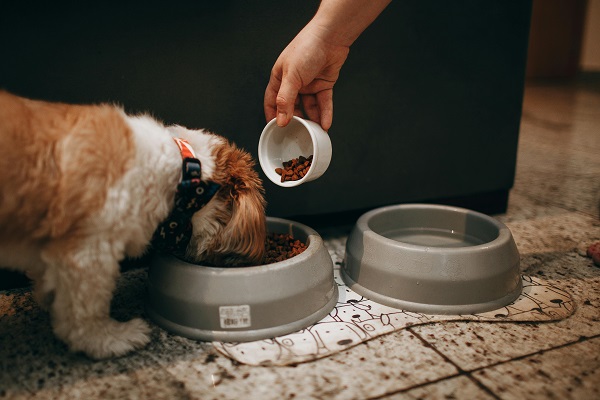
Photo by Helena Lopes
Understanding Energy Needs
Food is fuel, but every dog burns it differently. A working dog needs high power, while a lap dog needs a lighter load.
Even the best ingredients in the world won’t help if the calorie count is a mismatch for your dog’s daily movement.
Feeding high-energy food to a relaxed dog often leads to weight gain rather than health. The right food matches their daily activity level perfectly.
Life Stage Matters
A recipe is only healthy if it fits your dog’s biological clock. Puppies need dense nutrition for rapid growth, while adults need a stable diet to stay fit.
Seniors often require joint support and fewer calories as they slow down. Feeding the wrong stage means the food isn’t doing its job, no matter how premium the ingredients are.

Key Ingredients to Look for in Healthy Dog Food
Reading the back of a bag often feels like reading a different language. We have found that focusing on specific quality marks makes it easier.
1. High-Quality Animal Protein
Dogs come from a long line of meat-eaters. Their bodies are built to process animal protein efficiently. We always look for a named meat as the very first ingredient.
You want to see “Chicken” or “Beef” or “Lamb.” Avoid a vague word like “Meat.” Fresh meat provides the amino acids they need to stay strong.

2. Named Meat Meals
Sometimes we see “Chicken Meal” or “Lamb Meal” listed. This is actually a great sign. It is meat with the water removed. This makes it a very concentrated protein source.
The key is to make sure it is named. “Chicken Meal” is a quality ingredient. A generic “Meat Meal” is too mysterious for our liking.
3. Healthy Fats and Oils
Fat is not a bad word for our dogs. It gives them twice as much energy as protein. It also keeps them warm. We look for specific sources like Chicken Fat or Salmon Oil.
These are full of Omega-3 and Omega-6. This is the secret to that soft coat we all love. It also helps keep joints from getting stiff.
4. Wholesome Carbohydrates
Carbs often get a bad reputation, but they are important because they provide glucose. This is fuel for the brain. Good sources include brown rice, oats, barley, and potatoes because they are easily absorbed by most dogs.
Vegetables like carrots, peas, or sweet potatoes are also great choices that offer natural vitamins and fiber without artificial additives.
If you’re looking for dog food that has sweet potato in it, this can be the one:
5. Natural Preservatives
Food must stay fresh, but we care about how it stays that way. Healthy brands use things from nature like Vitamin E. You might see it listed as mixed tocopherols.
Vitamin C is another good option. If a bag does not say how it is preserved, we usually put it back. Natural options show a brand cares about long-term health.
6. Fruits and Vegetables
We love seeing real food like blueberries, spinach, or pumpkin. These provide natural antioxidants. They help the immune system stay tough.
It is always better to get nutrients from real food. We prefer this over synthetic powders added at the end.
Ingredients to Avoid in Unhealthy Dog Food
Just as there are heroes in the ingredient list, there are villains you should stay away from to protect your pup.
1. Generic Meat Meals
We stay far away from ingredients like “Meat Meal” or “Animal Fat.” We deserve to know exactly what animal our dogs are eating.
Generic terms can hide low-quality sources. These are not great for digestion. Transparency is everything when it comes to trust.
2. Artificial Colors and Flavors
Your dog does not care what color their food is. Kibble that looks like a rainbow is designed for you and not them.
Artificial colors like Red 40 or Blue 2 can cause allergies and are even linked to behavioral issues in some dogs. Nature doesn’t produce bright neon food, so brown is a perfectly healthy color for dog food.
3. Excessive Fillers
Some brands pack food with cheap ingredients to bulk it up while offering little nutritional value.
If you see corn syrup, white flour, or excessive soy, be cautious because these can spike blood sugar levels. Your dog deserves nutrition in every bite.
4. Dangerous Sweeteners
Xylitol is a sweetener found in human food that is incredibly toxic to dogs and can cause liver failure. It should never be in their diet, so always check the peanut butter ingredients if you use it as a treat. It is a hidden danger in many homes.
5. Chemical Preservatives
Avoid foods with BHA, BHT, or Ethoxyquin. These are chemical preservatives used to extend shelf life.
Some studies link them to health issues, so natural preservatives like Vitamin E are a much safer choice. Better safe than sorry is a good rule here.
6. Propylene Glycol
This is sometimes used to keep semi-moist food soft but it is chemically related to antifreeze. It can harm your dog’s red blood cells over time so it is best to avoid it completely. Stick to natural textures.
Dry Food vs Wet Food vs Fresh Dog Food
There is no single best type of food. The right choice depends on your dog’s preferences, your budget, and your lifestyle.
Dry Food (Kibble)
This is the most popular choice for a reason. It is convenient, easy to store, and generally economical.
| Pros | Cons |
| Most affordable option for families. | Very low moisture content creates hydration issues. |
| Easy to portion control and store. | Lower-quality brands may have too many fillers. |
| Crunch helps scrape plaque off teeth. | Picky eaters might find it boring. |
| Can be left out for grazers without spoiling. | Heavily processed compared to fresh food. |
Wet Food (Canned)
Wet food is often more appetizing because it smells stronger and has a texture many dogs love.
| Pros | Cons |
| High moisture (70-80%) keeps dogs hydrated. | More expensive per serving than kibble. |
| Great for senior dogs with dental issues. | Must be refrigerated once opened. |
| Strong smell entices dogs with low appetites. | Can be messy to serve. |
| Often has fewer preservatives than kibble. | No crunch to help with dental hygiene. |
Fresh and Raw Food (BARF)
This diet mimics what a dog’s ancestors might have eaten, including raw meat, bones, and organs.
| Pros | Cons |
| High in natural enzymes and nutrients. | Requires significant freezer space. |
| Often leads to smaller and less smelly poop. | Risk of bacteria if hygiene isn’t perfect. |
| Can improve skin, coat, and energy levels. | Time-consuming to prepare safely. |
| Closest to a natural “ancestral” diet. | Difficult to balance nutrients without a vet. |

Dehydrated and Cold-Pressed
These are newer options that aim to keep the nutrients of raw food with the convenience of kibble.
| Pros | Cons |
| Nutrients preserved without high heat. | Harder to find in standard grocery stores. |
| Lightweight and easy to store. | More expensive than standard kibble. |
| Great for traveling with your dog. | Texture might be unfamiliar to some dogs. |
| Often cleaner ingredients list. | Rehydration takes time for dehydrated options. |
Fresh Cooked (Human-Grade)
This is food made with human-quality ingredients that are gently cooked and often delivered frozen.
| Pros | Cons |
| Highly palatable for picky eaters. | Requires freezer or fridge space. |
| Visible real ingredients like peas and carrots. | Usually the most expensive option. |
| No dangerous pathogens since it is cooked. | Shorter shelf life once thawed. |
| Customizable for specific health needs. | Subscription models can be inflexible. |
Can You Mix Them?
Yes! Many pet parents mix kibble with a topper of wet or fresh food. This gives your dog the dental benefits of kibble while adding the hydration and taste of wet food. It keeps dinner interesting and nutritious without breaking the bank.
Grain-Free vs Grain-Inclusive Dog Food: Which Is Healthier?
This is one of the biggest debates in the dog world right now. Marketing often tells us grain-free is better but that isn’t always true.
The Case for Grains
Unless your dog has a specific allergy, grains are actually good for them. Corn, wheat, and rice are excellent sources of energy. They provide essential nutrients and fiber which helps keep your dog’s digestion smooth and regular.
When to Go Grain-Free
Grain-free is necessary if your vet confirms an allergy. This is usually signaled by symptoms like itchy paws or ear infections. However, true grain allergies are actually quite rare. Dogs are more likely to be allergic to beef or chicken than to grains.
The Health Warning
Some grain-free diets replace grains with lentils or peas. In huge amounts, these ingredients might be linked to heart issues. The FDA has investigated a link between grain-free diets and DCM (a heart condition). Always talk to your vet before cutting out grains completely. A balanced grain-inclusive diet is typically healthy for most dogs.
Signs Your Dog Is Eating Healthy Food
Your dog’s body will tell you if their food is working. You just need to know what signals to look for.
1. The Poop Test
It might sound gross but poop is a great health indicator. It should be firm and easy to pick up. If your dog has frequent diarrhea or huge and smelly stools, their food might not be digesting well. Good food produces smaller and firmer waste.
2. Skin and Coat Condition
A healthy dog feels soft to the touch. Their coat should be shiny and smooth rather than brittle or dry. If you see dandruff, redness, or bald spots, their diet might be lacking essential fats or nutrients.
3. Energy Levels
Food is fuel, so your dog should be playful and alert. They shouldn’t be lethargic or hyperactive. If they seem tired all the time, they might not be getting enough calories.
Conversely, if they are bouncing off the walls, the food might have too much sugar or simple carbs.
4. Weight Management
You should be able to feel your dog’s ribs without pressing hard. You shouldn’t see them clearly though. Sudden weight loss or gain is a red flag. Healthy food helps them maintain a steady and ideal weight effortlessly.
5. Breath and Eyes
While dog breath isn’t minty, it shouldn’t clear the room. Bad breath can come from poor gut health. Their eyes should be bright and clear. Tear stains or dull eyes can sometimes be linked to diet quality.
Final Thoughts
Choosing healthy dog food is a journey rather than a one-time decision. Every dog is unique so what works for your neighbor might not work for you.
- Consult Your Vet: Your vet is your best resource because they know your dog’s medical history and specific needs. If your dog has kidney issues or allergies, a prescription diet might be the healthiest choice.
- Transition Slowly: Never switch foods overnight because this can cause a serious tummy upset. Mix the new food in gradually over 7 to 10 days. Start with 10% new food and increase it slowly.
- Trust Your Observations: You know your dog best. Watch how they react to a new food. Are they excited for dinner? If they look good and feel good, you have made a great choice because your care is the most important ingredient in their life.
Pretty Fluffy is the ultimate lifestyle destination for dog lovers. Discover the best designer & emerging dog brands, the latest dog accessories, pet lifestyle inspiration, healthy dog treat recipes, dog training tips and much more. Thank you for being part of our dog-loving community!

Fluffy Editorial is our in-house team of writers and dog nerds. We research every topic carefully, talk to professionals when needed, and focus on sharing honest advice we’d follow with our own dogs.



-
 Dog Mom Gift Basket
The perfect Valentine's Day gift for a dog mom!
-
Ruffwear Sunshower Dog Rain Jacket
Your pet's perfect company for the days that pours cats and dogs!


-
Dog Mom Gift Basket
The perfect Valentine's Day gift for a dog mom!
-
Ruffwear Sunshower Dog Rain Jacket
Your pet's perfect company for the days that pours cats and dogs!