
Can Dogs Eat Chestnut? A Dog Owner’s Guide
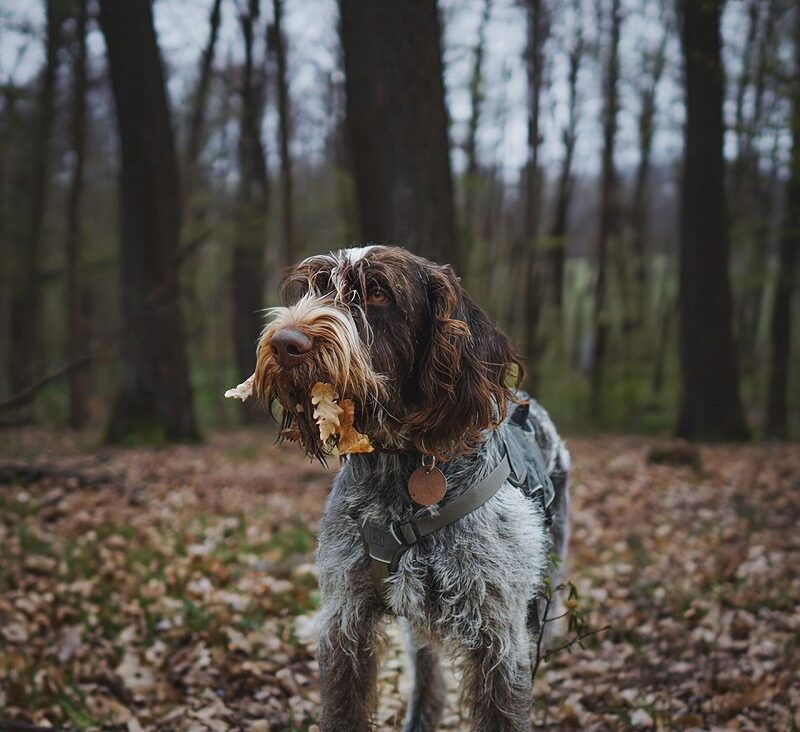
There’s nothing better than the smell of roasted chestnuts on a chilly autumn day. As you’re enjoying that cozy, nutty snack, you probably feel a pair of big, hopeful eyes watching your every move. It’s your furry best friend, and they’re wondering, “Is that for me?” It’s a question every dog parent knows well!
So, can you share? The quick answer is yes, dogs can eat chestnuts, but it’s not as simple as just tossing one their way. It comes with some super important rules.
First and foremost, we’re only talking about sweet chestnuts (the kind you roast and eat). They need to be cooked, shelled, and served totally plain in tiny amounts.

The biggest danger, and something every dog owner needs to be aware of, is the difference between the safe sweet chestnut and its evil twin, the horse chestnut, which is extremely toxic to our pups.
Don’t worry, I’ve got you covered. This guide will walk you through everything, from telling the good nuts from the bad ones, to the right way to prepare them for your dog, so you can both enjoy the cozy season safely.
The Most Important Part: Sweet Chestnuts vs. Toxic Horse Chestnuts
Okay, let’s get serious for a minute. Before you even think about giving your dog a chestnut, you need to be 100% positive you know what kind it is.
Sweet chestnuts are the yummy, edible kind. Horse chestnuts, also known as conkers, are poisonous for dogs and for us, too.
So, how can you tell them apart when you’re on a walk in the park? Look at their little houses!
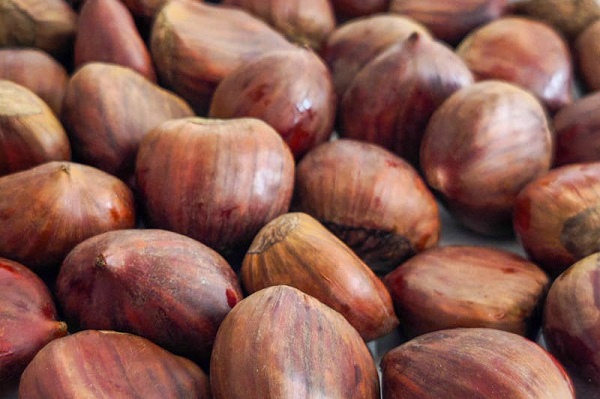
Sweet Chestnuts: These grow inside a casing (called a bur) that looks like a spiky sea urchin or a little green porcupine. It’s covered in a ton of long, needle-like spikes. When you open it up, you’ll usually find two or three nuts inside. The nuts themselves are teardrop-shaped, with a flat bottom and a pointy tip that has a little tassel.
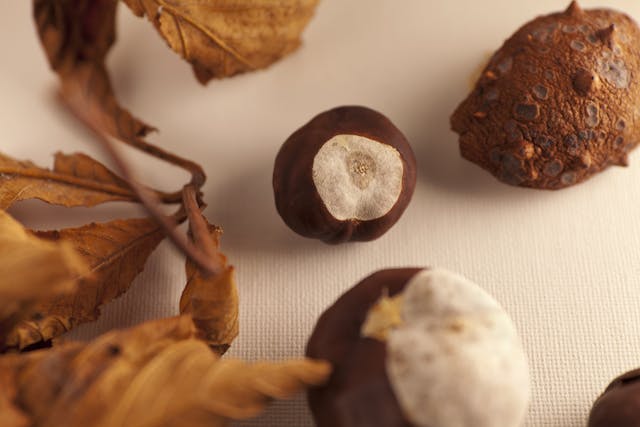
Horse Chestnuts: These guys come in a much different package. Their husk is a thick, bumpy, leathery green shell with just a few short, stubby spikes. It’s way less spiky and much smoother. Inside, you’ll typically find only one big, round, shiny nut that looks like a glossy brown marble. It doesn’t have that pointy tip.
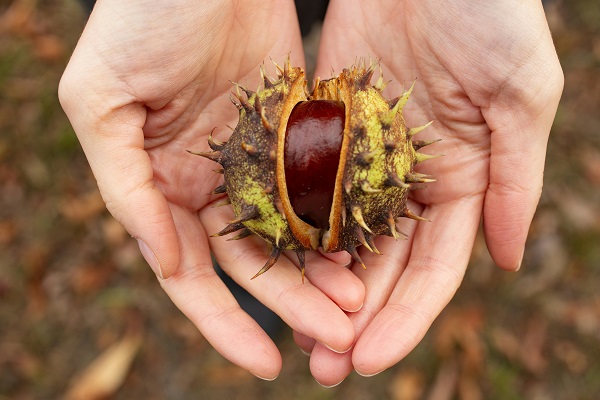
Horse chestnuts contain a nasty toxin called aesculin. If a dog eats one, it can lead to some really scary symptoms like vomiting, diarrhea, drooling, wobbliness, and even muscle tremors.
If you ever think your dog has eaten a horse chestnut, it’s a drop-everything-and-call-the-vet situation.
Quick Comparison: Good Nut vs. Bad Nut
| Feature | Sweet Chestnut (Safe & Yummy) | Horse Chestnut (Toxic & Dangerous) |
|---|---|---|
| Scientific Name | Castanea sativa | Aesculus hippocastanum |
| Outer Shell (Bur) | Covered in tons of long, sharp spikes (like a porcupine) | Thick, leathery shell with a few bumpy warts |
| Nut Shape | Flat on one side, with a pointy tip and a tassel | Round, shiny, and smooth with no point |
| Toxicity | Totally safe when cooked and served plain | Very toxic! A huge no-no for dogs. |
The Good Stuff: Health Perks of Sweet Chestnuts
When they’re served the right way, sweet chestnuts actually have some nice health benefits for our pups. Just remember, they are a treat, not a replacement for their regular balanced food!
For starters, they’re packed with fiber, which is great for your dog’s digestion and helps keep their potty trips regular.
They also have Omega fatty acids, which are the secret to that super shiny, healthy coat that gets all the compliments at the dog park. Plus, compared to other nuts like almonds or pecans, they are lower in fat, which is always a good thing.
They also contain a bit of Vitamin C to help their immune system, and B vitamins for energy. While your dog gets most of these nutrients from their daily kibble, a little boost now and then doesn’t hurt. It’s all about moderation!
How to Safely Share Chestnuts With Your Pup: A Step-by-Step Guide
Ready to prepare this fall treat for your four-legged friend? Following these steps is key to making sure it’s a safe and happy experience for everyone.
1. Cook ‘Em Up!
Raw chestnuts are tough on a dog’s stomach and can cause some serious tummy upset. You have to cook them until they’re soft. Roasting is the classic way—just score the shell with an ‘X’ and pop them in the oven. Boiling works great, too. The goal is to make them soft and easy to digest.
2. Peel Everything.
This is a big one. The hard outer shell is a major choking hazard and can even cause an intestinal blockage if swallowed. After they’re cooked and cooled down a bit, peel off every last bit of the hard shell. Don’t forget the papery brown skin underneath, either. It can be bitter and tricky to digest.
3. Keep It Plain Jane.
I know you love your chestnuts with a sprinkle of salt or a little butter, but all those extras are a big nope for dogs. Salt can lead to dehydration, and fatty additions like butter can upset their stomach or even lead to a serious condition like pancreatitis. Just serve the chestnut completely plain.
4. Chop It Up.
Even a soft, cooked chestnut can be a choking risk, especially for smaller dogs or pups who inhale their food without chewing. Always, always cut the chestnut into small, bite-sized pieces that are right for your dog’s size. For my little terrier, I mash it up with a fork to be extra safe.
5. A Little Dab’ll Do Ya.
Chestnuts are starchy, so think of them as a special, high-value treat. A tiny piece of one chestnut is plenty for a small dog. A bigger dog, like a Golden Retriever, might get one whole chestnut, all chopped up. Remember the golden rule: treats should only make up about 10% of your dog’s daily calories.
What About Other Chestnut Products?
As you wander the grocery store aisles, you might see other chestnut products. Here’s the scoop on what’s safe:
- Chestnut Flour: Generally safe! It’s a neat gluten-free option you can use in tiny amounts if you’re baking homemade dog treats.
- Canned Chestnuts or Purée: Steer clear of these. Products made for humans, like chestnut purée or canned chestnuts in syrup, are almost always loaded with sugar, salt, or other preservatives that are bad for our dogs.
- Water Chestnuts: Plot twist! These aren’t nuts at all. They’re an aquatic vegetable, and they are totally non-toxic and safe for dogs. They’re low-cal and have a fun, crunchy texture. Just like anything else, serve them plain and in moderation.
Emergency Plan: “My Dog Ate a Horse Chestnut!”
Okay, deep breath. If you see your dog eat a horse chestnut—or even just chew on the husk—you need to act fast. This is a real emergency.
First, call your vet or the Pet Poison Helpline immediately. Don’t wait. Don’t try to make your dog vomit unless a vet specifically tells you to. Have information ready, like your dog’s weight and how many you think they ate.
Keep a close eye out for these scary signs of poisoning:
- Vomiting (it might even have blood in it)
- Diarrhea
- Lots of drooling
- A sore, tender belly
- Not wanting to eat
- Being extra thirsty
- Weakness or acting tired
- Stumbling or loss of coordination
- Muscle twitches or seizures
Symptoms can show up within a couple of hours. Even if your dog seems okay, it’s always smartest to get professional advice right away to prevent any serious internal issues.
The Takeaway: Enjoy Fall Treats Safely!
So, the bottom line is that cooked sweet chestnuts can be a perfectly safe and yummy seasonal treat for your pup, as long as you’re careful. They have to be cooked, completely peeled, served plain, and chopped into little pieces.
The number one rule is knowing what you’re picking up. Learning to spot the difference between a safe sweet chestnut and a dangerous horse chestnut is a crucial skill for any dog parent who loves autumn walks. When in doubt, always play it safe and keep the mystery nut away from your dog.
Enjoying the cozy season with your best friend is what it’s all about. A little bit of know-how makes it safe and fun for everyone involved!
Pretty Fluffy is the ultimate lifestyle destination for dog lovers. Discover the best designer dog brands and emerging small pet businesses, the latest dog accessories, healthy dog treat recipes, dog training tips and more. Thank you for being part of our dog-loving community!

Fluffy Editorial is our in-house team of writers and dog nerds. We research every topic carefully, talk to professionals when needed, and focus on sharing honest advice we’d follow with our own dogs.




-
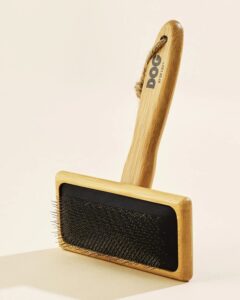
 DOG By Dr Lisa Dog Brush
lovely everyday brush for dog parents who want something gentle and easy to use.

-
DOG By Dr Lisa Dog Brush
lovely everyday brush for dog parents who want something gentle and easy to use.