
The Hidden Health Crisis in Ageing Dogs — and Why Muscle Matters More Than You Think
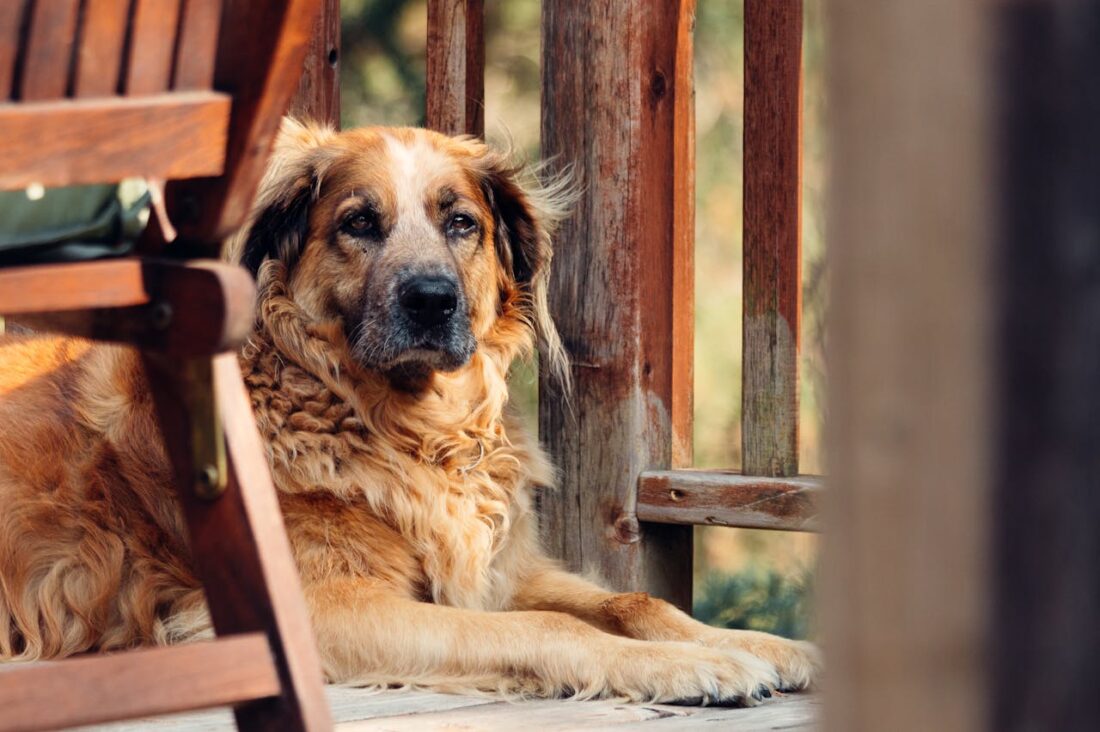
When people worry about their dog’s weight, they almost always worry about too much of it. Obesity in pets generates headlines, drives product development and sits at the centre of most conversations about canine health in the consulting room. And rightly so — excess weight places real strain on joints, organs and lifespan.
But there is another side to this story, quieter and less well understood, that veterinary professionals are growing increasingly vocal about. Across Britain’s ageing dog population, a process is underway in millions of homes that owners rarely notice until it has already caused significant harm. Dogs are losing muscle — gradually, silently and with consequences that compound over time.
What Muscle Actually Does

It’s easy to think of muscle as an aesthetic consideration, the stuff that makes a working dog look powerful or a sporting breed look athletic. In reality, muscle is structural infrastructure. It holds the body together. It absorbs impact, stabilises joints, supports posture and enables the kind of coordinated, confident movement that keeps a dog safe and comfortable throughout its life.
When muscle mass declines, the effects ripple outward. Joints that were once cushioned and supported begin to bear load differently. Ligaments and tendons, no longer working in partnership with strong surrounding muscle, become more vulnerable to strain. Balance deteriorates. The dog that once jumped into the car without thinking begins to hesitate.
The one that ran freely off the lead starts to flag earlier on walks. These changes are easy to attribute to age — and in one sense they are — but the underlying driver is often not age itself, but the loss of the muscular condition that age brings with it.
The Invisible Decline
What makes muscle loss in dogs particularly difficult to manage is how slowly and invisibly it tends to progress. Unlike sudden lameness or rapid weight loss, which prompt owners to act quickly, gradual muscle atrophy can unfold over months or years without triggering obvious alarm.
A dog losing muscle may maintain its body weight throughout the process — fat can accumulate as muscle diminishes, keeping the number on the scales broadly stable while the body’s composition shifts in a concerning direction. This is why weight alone is a poor indicator of condition. Veterinary professionals increasingly use muscle condition scoring alongside body condition scoring for precisely this reason, assessing the actual muscular development around the spine, hips and hindquarters rather than relying on weight as a proxy for health.
Many owners, and indeed some general practitioners, do not routinely assess muscle condition in this way. The result is that significant muscle loss can go unaddressed for a long time — until it becomes visible enough to be impossible to ignore.
Why Older Dogs Are Most at Risk
Age-related muscle loss, known in veterinary medicine as sarcopenia, is a natural biological process. As dogs get older, the mechanisms that build and maintain muscle become less efficient. Protein synthesis slows. Hormonal changes reduce the signals that trigger muscle repair and growth. Activity levels typically decline, removing one of the key stimuli for maintaining muscular condition.
At the same time, older dogs often experience changes in appetite and digestion that reduce their ability to extract adequate nutrition from their food — even when they appear to be eating normally. A senior dog consuming the same diet it has eaten for years may actually be receiving less usable protein and fewer bioavailable nutrients than it was in middle age, contributing further to the decline in muscle mass.
The practical consequences are significant. Older dogs with poor muscle condition are more likely to suffer falls and injuries. They recover more slowly from illness. They tend to experience greater stiffness and discomfort as conditions like arthritis progress, because the muscular support that might otherwise compensate for joint deterioration is no longer present. In advanced cases, severe muscle loss can significantly compromise a dog’s ability to move independently.
The Surgery and Recovery Problem
Ageing is not the only route to muscle loss. Surgery — particularly orthopaedic procedures — creates a specific and acute challenge. When a dog undergoes an operation and is subsequently restricted to rest, the muscles surrounding the affected area begin to weaken rapidly. This is a well-documented physiological response: without the stimulus of movement and load-bearing, muscle tissue breaks down faster than most owners expect.
The problem is compounded by the fact that post-operative dogs often have reduced appetites, making it harder for them to consume enough protein and calories to counteract the loss. By the time a dog is cleared for rehabilitation exercise, it may have lost a significant proportion of the muscle mass in the affected limb — and rebuilding that takes considerably longer than losing it did.
This is increasingly recognised in veterinary rehabilitation circles, where post-operative nutrition is now considered as important as the physical therapy component of recovery. Getting adequate protein and energy into a dog during the enforced rest period is not a luxury — it is a functional part of the healing process.
Illness, Appetite and the Nutrition Gap
Acute illness creates similar dynamics. A dog that goes off its food for several days during a bout of illness, or that is hospitalised and receiving only maintenance nutrition, will emerge from that episode in a weakened state. The body, under the stress of fighting infection or managing inflammation, draws on muscle tissue for energy. Even a relatively short illness can leave a dog visibly thinner and noticeably less strong.
The challenge for owners is recognising that returning a dog to its normal food is not the same as restoring its condition. Standard maintenance diets are formulated for healthy dogs in ordinary circumstances. They are not optimised for rapid condition rebuilding, and in many cases do not provide the caloric density or protein concentration needed to efficiently restore what illness has taken away.
This is the nutritional gap that weight and muscle-focused supplements are designed to address — not as a replacement for veterinary care, but as a targeted tool for the specific challenge of rebuilding condition in a dog whose needs temporarily exceed what regular food can provide.
What Owners Can Do
The most important first step is awareness. Owners who understand that muscle condition is a distinct and trackable aspect of their dog’s health are better placed to notice when it begins to decline and to act before the consequences become serious.
Regular handling is one of the most practical monitoring tools available. Running hands along a dog’s spine, hips and hindquarters gives a direct sense of whether muscle coverage is being maintained. A dog whose bones feel more prominent than they did six months ago, even if its weight appears unchanged, may be losing muscle and deserves a closer look.
Exercise remains the most powerful stimulus for maintaining muscle mass, and this holds true for older dogs provided it is appropriate to their condition and energy levels. Regular, moderate activity — consistent daily walks rather than occasional bursts of intense exercise — is generally more effective for muscle maintenance than infrequent high-intensity outings.
Nutrition plays an equally important role. Dogs that are losing muscle, recovering from illness or surgery, or entering their senior years may benefit from dietary support that goes beyond a standard maintenance formula. Products specifically formulated to support weight and muscle gain — such as Muzzle Mass weight gainer for dogs from Ace Antlers, a hypoallergenic four-ingredient supplement developed with a canine nutritionist — can provide meaningful additional nutritional support when integrated into a dog’s existing feeding routine.
As always, owners dealing with significant or rapid muscle loss should consult a veterinary professional. Sudden changes in condition can indicate underlying health issues that require diagnosis and treatment. Supplements support recovery and maintenance — they work best alongside veterinary guidance, not instead of it.
A Conversation Worth Having
The good news is that muscle loss in dogs is not inevitable, and it is not irreversible — at least not in its early stages. With the right combination of appropriate exercise, targeted nutrition and regular monitoring, many dogs can maintain strong muscular condition well into old age.
But that outcome depends on owners knowing to look for the problem in the first place. Muscle condition has lived too long in the shadow of the weight conversation. It’s time that changed.





-
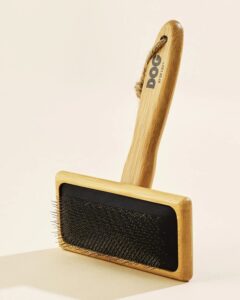
 DOG By Dr Lisa Dog Brush
lovely everyday brush for dog parents who want something gentle and easy to use.

-
DOG By Dr Lisa Dog Brush
lovely everyday brush for dog parents who want something gentle and easy to use.