
Pet Friendly Artificial Plants for Your Garden That Are Safe for Pets
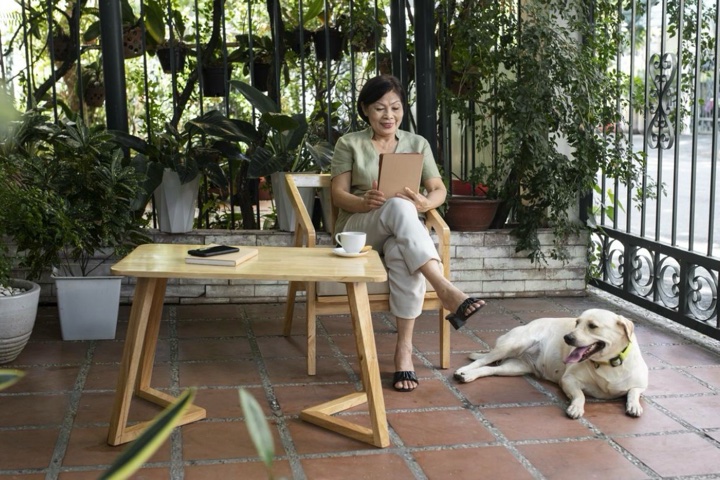
Pet friendly artificial plants come in all kinds of shapes and sizes. They offer a safe option for gardens, as well as indoor spaces. They don’t require maintenance, but they also last for ages.
You can simply set them up once and enjoy a full, green look all year round without worrying about watering schedules or pruning sessions. Whether made of silk or plastic, such replicas seem to gain more and more popularity.
Now, what kind of pet friendly artificial plants should you get to ensure your furry friend stays safe? Here’s everything you have to know.

Why Go for Artificial Plants for Pets
There are quite a few reasons why artificial plants are so popular today. Looking after plants can be a nightmare if you’re not familiar with them. Besides, some types of plants or flowers may not be able to thrive in your environment, so your options are also a bit limited.
When it comes to pets, artificial plants are even better. Here’s why:
- No toxicity whatsoever. No matter how nice they smell, some plants are quite toxic to dogs. For example, lilies are very popular in households, but they’re toxic for pets. In fact, some lilies are also toxic to people. Sago palms could also be problematic for most pets.
- More durable than real options. A curious dog or cat could still chew on plants. Besides, there’s also the option to dig around plants. Rough play shouldn’t be overlooked either. Having an artificial vertical garden, for instance, could prevent all these issues because of its durability.
- Resistance to UV rays. UV rays won’t necessarily harm indoor plants. In fact, most plants do require a bit of sunlight throughout the day. Quality artificial plants resist fading, so they’re alright anywhere. They don’t require light anyway. And if they’re exposed to it, they won’t be affected.
Now that you understand why the artificial alternative is so popular, let’s see some plants that can truly make the difference.
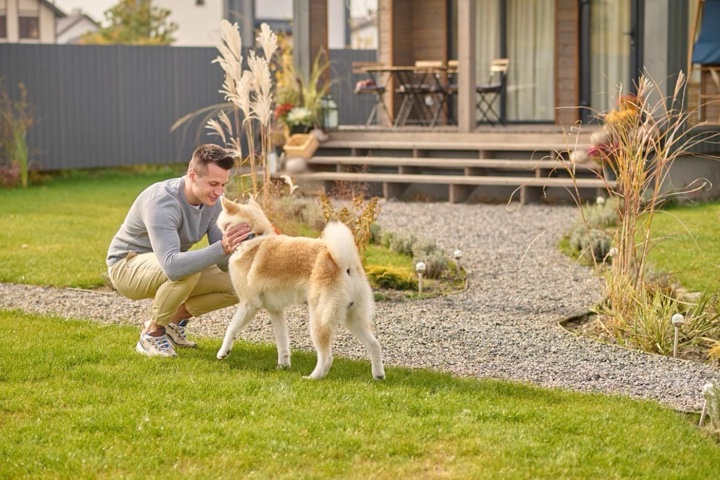
Best Artificial Plants for Gardens
Artificial ferns come in all shapes and sizes. Boston ferns are the most popular ones, but there are other varieties worth some attention too. They provide a lush appearance with no toxic risks at all. Ferns are so nice and easy to implement in any environment that they’ll work inside too, not just in the garden.
Exotic plants can also make a difference in your garden. They instantly add that “holiday vibe” without forcing you to completely change how you care for your outdoor area.
Now, there are more reasons why exotic plants are so appreciated. Most importantly, they’re popular in areas where natural exotic plants won’t survive, whether because of the weather, soil or temperature. For instance, you can’t really have palm trees in cold areas.
Artificial palm trees also add a bit of height. In other words, even if your pets like the idea of jumping on plants, tall palm trees could be relatively safe. Some of the best options to try include Areca palm trees and parlor palm trees.
Spider plants are worth some attention too. They can stand out in a garden because of their trailing leaves. While normally they’re hard to look after, the artificial alternative makes things easier and safer for pets.
Moreover, artificial spider plants add a bit of extra texture.
It’s worth considering prayer plants too, such as Calathea. Like spider plants, prayer plants offer unique patterns and textures that you can’t get anywhere else. Besides, if you go for attractive patterns and safe materials, your pets will be alright even if they nibble on them.
Last, but not least, don’t forget about succulents either. Fake aloe vera works well in any garden, but artificial Echeveria is just as popular. Succulents are known for being quite dangerous, so choosing the fake alternative is a better idea.
How to Ensure Fake Plants are Safe for Pets
Generally speaking, you’ll have to ensure materials are safe for pets. After all, that’s what makes the difference. Some of the best materials to look for include:
- Silk and polyester. Normally, both silk and polyester are safe. They’re not toxic at all. They also look very soft, so they’re great for plants meant to look delicate.
- Polyethylene (sometimes referred to as PE) is also a good option. It’s more durable than other materials, so it’s used for fake plants of higher quality. If you want something durable, or you have curious pets, this is your best option.
Make sure to check for products that comply with different standards. Even if such materials are safe, combining them with others could cause issues. Heavy metals like mercury or lead are dangerous.
Taking a moment to read product descriptions and labels can save you from bringing home something that looks nice but isn’t ideal for animals.
Other than that, stay away from cheap plastic that can release VOCs. If you walk into a shop, and you can smell that annoying flavor of cheap plastic, you may want to look elsewhere.
Bottom line, artificial plants are generally safe for most pets. They can resist curious pets, but then again, like anything else, they do require a bit of research. Most importantly, make sure you check materials before spending your money.
Once you have the details about the artificial plants, you’ll have the set up that looks good and stays stress free for years.



-
 Dog Mom Gift Basket
The perfect Valentine's Day gift for a dog mom!
-
Ruffwear Sunshower Dog Rain Jacket
Your pet's perfect company for the days that pours cats and dogs!



-
Dog Mom Gift Basket
The perfect Valentine's Day gift for a dog mom!
-
Ruffwear Sunshower Dog Rain Jacket
Your pet's perfect company for the days that pours cats and dogs!