
Leaving Your Pup Alone for the First Time: Everything You Need To Know
Bringing a puppy into your life while balancing a demanding academic schedule and often a part-time job is a commitment of love and logistics. For college students, the reality of attending lectures, study groups, and shifts means that eventually, your adorable new companion will need to spend time by themselves. The first time you walk out the door and leave your young dog alone is a milestone that requires careful planning, patience, and a deep understanding of canine psychology.
This isn’t just about managing a brief absence; it’s about setting your pup up for a lifetime of confidence and emotional stability. A poorly handled first separation can lead to separation anxiety, destructive behavior, and persistent house-training issues, and none of us has time to manage that.
Juggling Academics and Dog Care
Let’s be honest: student life is chaotic. You are constantly shifting gears, moving from a late-night study session to an early-morning class, or rushing from campus to your job. Finding the hours to dedicate to separation training can feel impossible, especially when you are wrestling with complex assignments.

If you find your workload overwhelming and need to buy back some precious time to dedicate to your pup, utilizing a dependable academic resource can be incredibly helpful. For instance, when tackling a particularly difficult literature analysis or an extensive research project, many students wonder who can I pay to write research papers to stay on top of deadlines without sacrificing their dog’s training schedule. Finding a qualified academic report writing service that offers top-tier student assistance is a smart way to manage your time and ensure you have sufficient energy for training. Delegating some tasks, like complex assignments that require advanced writing service and editing, allows you to focus on this crucial bonding and training phase with your dog.
Remember, this preparation is an investment that pays dividends in a calm, confident dog and a peaceful living situation.
Phase 1: The Preparation Checklist
Before the first official departure, you must set the stage for success. This preparation ensures safety and minimizes the sense of isolation.
The Safe Zone (The “Den”)
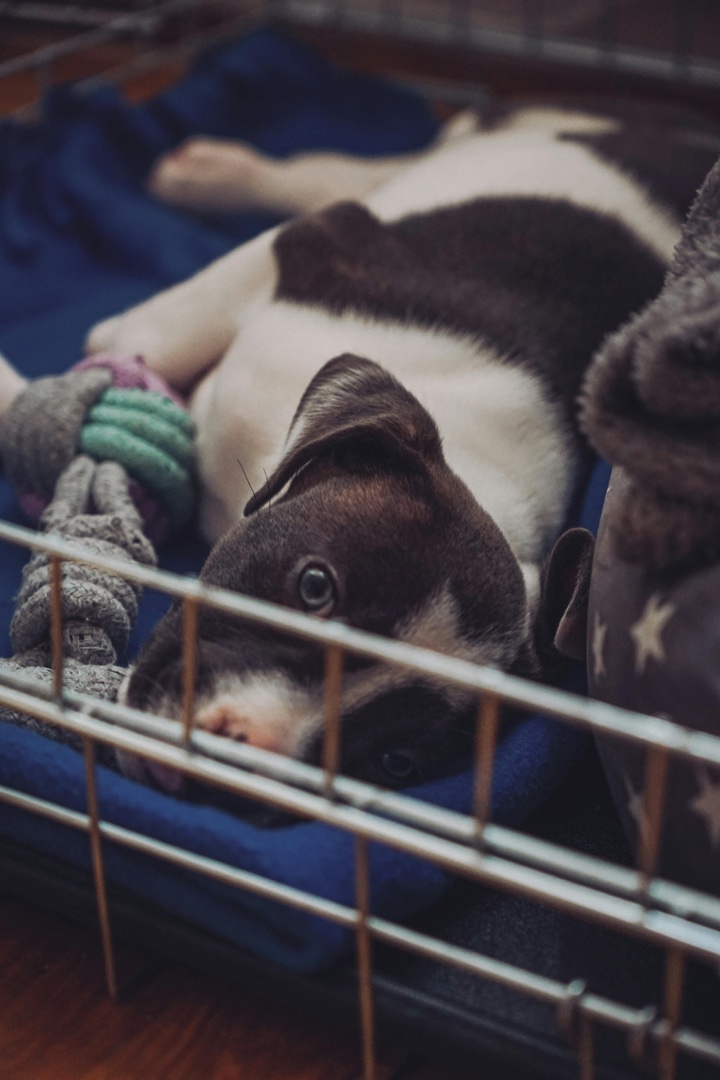
Your puppy needs a dedicated space where they feel secure and cannot cause mischief or injure themselves. This is usually a crate or a small, puppy-proofed room (like a laundry room or exercise pen).
The crate or pen should never be used for punishment. It must be associated with positive things: favorite toys, high-value treats (like a stuffed Kong), and comfortable bedding. Remove anything that could be chewed or swallowed, especially electrical cords, small items, and toxic plants. The floor should be easy to clean in case of an accident.
Pre-Departure Routine (The Three’ E’s)
A tired, satisfied dog is a calm dog. Never leave a dog alone when they are bursting with energy or in need of a bathroom break.
- Exercise. About 30-45 minutes before you leave, engage in high-impact exercise (fetch, a fast-paced walk, or a short run).
- Elimination. Immediately after exercise, take your pup out to go potty. Reward them heavily for elimination. A full bladder is a guaranteed stressor and cause of accidents.
- Engagement. Just before you leave, provide a long-lasting chew or a puzzle toy stuffed with their meal. This shifts their focus from your departure to a high-value task.
Managing the Farewell
Your departure and return should be as uneventful as possible. Avoid long, emotional goodbyes. This heightens the puppy’s anxiety and makes your absence seem like a big deal. Simply place them in their safe zone, give them their chew toy, and leave.
When you come back, wait until the pup is calm before greeting them. If you rush in with excitement, you are rewarding the frantic energy of separation, not the quiet behavior you want to encourage.
Phase 2: Timing the First Solo Flight
The duration of the first solo time is critical. It must be short enough to guarantee success.
| Age | Max. Solo Time | Training Goal |
| 8-10 weeks | 30 minutes | Positive association with the safe zone. |
| 10-12 weeks | 1-2 hours | Short errands, study periods away from the room. |
| 16+ weeks | 3-4 hours | Part-time work shift or long lecture block. |
Rule of thumb: A puppy can typically hold their bladder for one hour for every month of age, plus one (up to a maximum of six hours). For a four-month-old, this is five hours. Never push this limit, especially for the first few attempts.
Phase 3: Graduated Exposure Training
You must train your pup to be alone before you have to leave them for a full class schedule. This is done in small, escalating increments, like going to the door threshold. Put your pup in their safe zone with a Kong. Walk toward the door, touch the doorknob, and come back immediately. If they stay quiet, reward them. Repeat 10-15 times.
Next, do a 5-minute drill. Follow the same routine, but step outside and close the door. Open it after 30 seconds. Build this up to 5 minutes, always returning while they are calm. After that you can start introducing your “leaving cues” (picking up keys, putting on a jacket). Do this multiple times without leaving. This desensitizes them to the actions that usually signal your departure, making them less predictive of isolation.
Student Solutions for Complex Schedules
As a student, you might face an evening shift at your job followed by a mandatory late lab, stretching your absence past the safe limit. This is where clever scheduling and academic prioritization of paper writing come in. PaperWriter can save your GPA with smart scheduling advice from Teacher Ida and clever paper writing service help with the bulk of your tasks. This highlights the necessary trade-offs you might need to make to ensure your pup’s well-being.
- Mid-day breaks: If you have a long day, consider utilizing a friend, a trusted neighbor, or a professional dog walker to provide a mid-day potty break and burst of exercise. The cost is worth the prevention of destructive behavior and anxiety.
- Study spots: Can you take your pup to the library or a friend’s quiet study space for short durations? Exposure to other calm environments helps.
- Puppy-cam: Invest in a simple Wi-Fi camera. Being able to check in allows you to monitor their stress levels and accurately time your return before they reach a panicked state.
Leaving your pup alone for the first time is a significant step, but with careful, patient training and smart time management, you can ensure your dog grows into a confident, independent companion who handles your student schedule with ease.
Disclaimer: Articles in our Beyond category are independent. They are not overseen by our editorial team and may not reflect our opinion.


-
 DOG By Dr Lisa Dog Brush
lovely everyday brush for dog parents who want something gentle and easy to use.
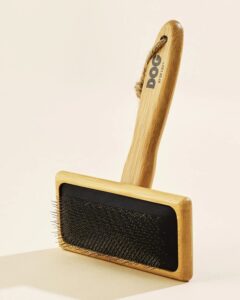

-
DOG By Dr Lisa Dog Brush
lovely everyday brush for dog parents who want something gentle and easy to use.