
Avoiding Conflicts While Using A Service Dog In Public Spaces
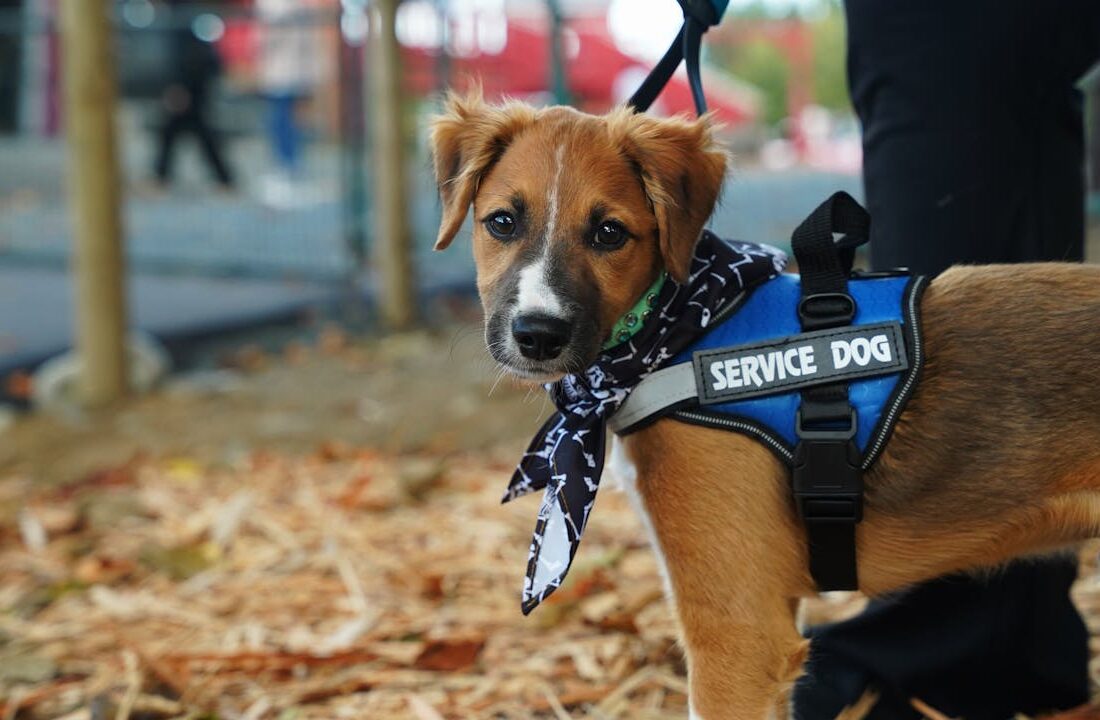
It can be hard to use a service dog in public without facing rude comments or stares. Many people do not know the rules about service dogs or how to act around them. This post will share tips for handlers and help others learn proper manners, like why you should never offer food or treats to these working animals.
Stay with us to make every outing safer and easier for everyone.
- Service dogs help people with disabilities and must not be distracted. Never pet, talk to, or feed a service dog in public spaces.
- The Americans with Disabilities Act (ADA) protects the rights of handlers. Service dogs can go into public places like stores and restaurants, even if pets are not allowed.
- Handlers should use vests or harnesses as visible ID for their service dogs. This helps others understand that the dog is working.
- Clear rules and polite but firm responses from handlers help stop unwanted actions from strangers. If denied access, handlers should stay calm and write down details about the event.
- Respecting these tips helps everyone feel safe and comfortable when a service dog is present in public areas.
Proper Etiquette for the Public Around Service Dogs
Service dogs help people with disabilities. It’s important for everyone to know how to act around them.

https://www.youtube.com/watch?v=KexKUOLj-LQ
Avoid petting or distracting the dog
Petting or talking to a service dog can interrupt its work. These dogs help their handlers with important tasks like guiding, alerting, or calming them. Any distraction might put the handler’s safety at risk.
“Please do not pet me; I am working,” is often printed on vests used to identify registered service dogs.
Always ask the handler before getting close to a service animal from My Service Animal or any other provider. If you want to learn how to register a service dog to get an ID card, speak directly with the owner instead of reaching for the dog first.
This shows respect and helps keep everyone safe in public spaces.
Always address the handler, not the dog
Speak to the handler, not the service dog. Service dogs focus on their job. Talking or making noises at them can distract them and may cause problems for the handler. If you have a question or want to interact, look at and talk to the person with the dog.
A service dog is like medical equipment; treat it with respect.
Some handlers carry official items like vests or an ID card after they register service dog to get id card online. Addressing only the handler helps avoid confusion and keeps everyone safe in public spaces.
Next, learn why feeding a service dog is never okay.
Never offer food or treats to a service dog
Never feed a service dog or give it treats. Doing so can distract the dog from its job. Service dogs help their handlers stay safe and independent. Food or treats may cause the dog to lose focus or become ill if it has allergies.
Giving food without asking also breaks proper etiquette in public spaces. The handler is the only person who should give rewards to a service dog. For further guidance, always talk directly to the handler and not the animal itself.
Strategies for Handlers to Minimize Conflicts
Handlers can use visible ID like vests or harnesses to show their dog is a service animal. They should also set clear rules with polite, direct responses to any distractions.
Use visible identification like vests or harnesses
Visible identification makes service dogs stand out. Vests or harnesses help others recognize them quickly. This clear sign reduces confusion in public spaces. It tells people that the dog is working and should not be disturbed.
Handlers can feel more secure with these identifiers on their dogs. With proper gear, it becomes easier to manage interactions with the public. Setting boundaries is key to a smooth experience for both handlers and their service dogs.
Next, we will discuss how handlers can set firm boundaries in a polite way.
Set firm boundaries with polite but direct responses
Setting boundaries is key for service dog handlers. Use clear and direct language. For example, say “Please do not approach” or “My dog is working.” This helps people understand that your service dog should not be disturbed.
Stay calm while communicating your needs. If someone ignores your request, repeat it politely but firmly. Consistency in your response shows you are serious about keeping the environment safe for both you and your dog.
Handling Public Access Disputes
Know your rights under the ADA. Keep cool and write down what happens if you are denied access.
Know your rights under the ADA
Service dogs have rights under the Americans with Disabilities Act (ADA). The ADA allows people with disabilities to use service dogs in public places. These include stores, restaurants, and parks.
Businesses must let service dogs enter, even if they have a no-pets policy.
Handlers should know their rights. If someone denies access, stay calm and document what happened. Write down details like the date, time, and location. This information can help if you need to file a complaint later.
Service dog handlers deserve respect and support in all public spaces.
Stay calm and document incidents if denied access
Stay calm if someone denies you access with your service dog. Getting upset can make the situation worse. Focus on what is happening around you instead of reacting emotionally.
Write down everything that occurs. Note the time, place, and details of the incident. If possible, get names or contact information from witnesses. This record will help if you need to take further action later on.
Always know your rights under the ADA when using a service dog in public spaces.
Conclusion
Using a service dog in public comes with responsibilities. Handlers need to stay firm and calm. Others should respect the dog’s work by not distracting it. This way, everyone can enjoy their time out together.
Keeping these tips in mind helps create a smoother experience for all.
FAQs
1. What should I do if someone tries to pet my assistance animal in public spaces?
Ask the person not to touch your dog. Explain that your companion is working and needs focus.
2. How can I prevent disputes with business owners about bringing my service dog inside?
Show proof of your dog’s role if asked. Stay calm as you explain the law allows trained helpers in most places.
3. What steps help avoid arguments with other customers when using a guide animal?
Keep your helper close by your side at all times. Make sure it behaves well so others feel safe and comfortable.
4. How do I respond if staff question my need for an assistance dog?
Politely say you rely on the animal for support due to a disability; share only what is needed, no more than required by law.




-
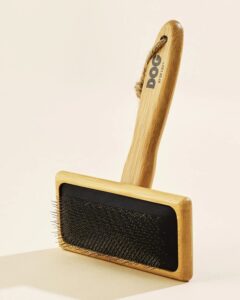
 DOG By Dr Lisa Dog Brush
lovely everyday brush for dog parents who want something gentle and easy to use.

-
DOG By Dr Lisa Dog Brush
lovely everyday brush for dog parents who want something gentle and easy to use.