
6 Safe Home Remedies for Dog Diarrhea
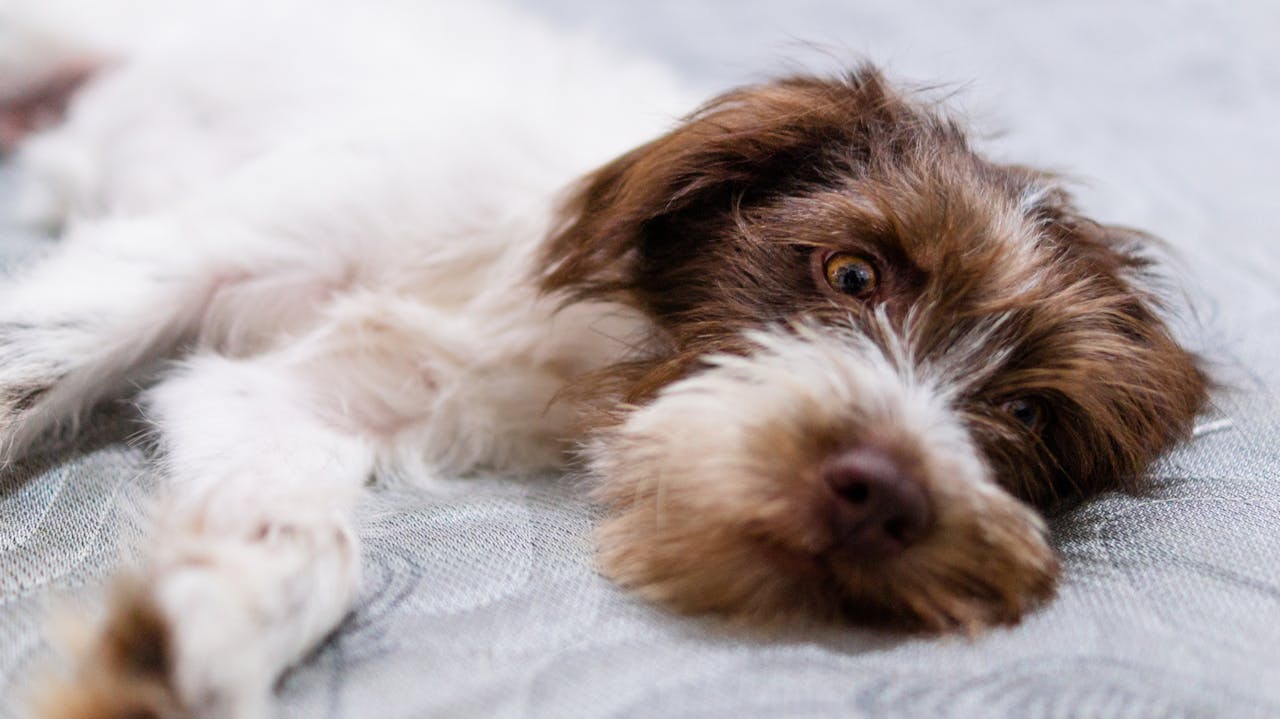
Rogue tummies, messy moments, and safe ways to help your pup feel better.
Photography: Matheus Barbosa
Few things are more stressful than seeing your pup suddenly pacing, whining, and needing urgent trips outside. Mild diarrhea can happen after a quick food change, a stressful day, or a stolen bite of something greasy.
For otherwise healthy adult dogs, mild stomach upset can often be managed at home with rest, water, and a bland diet. But home care is only for simple cases. If your dog has blood in their stool, repeated vomiting, severe tiredness, a swollen belly, pale gums, or symptoms lasting more than 48 hours, call your vet right away.

What Dog Diarrhea Means
A dog’s digestive system moves food through the body faster than ours. When the gut becomes irritated, food and water can pass through too quickly. The large intestine then has less time to absorb water, which leads to loose or watery stool.
Diarrhea is not a disease by itself. It is a symptom. Sometimes the cause is minor, like a new treat or a bite of rich food. Other times, it can point to parasites, infection, toxin exposure, food intolerance, or another medical issue.
Common Causes Of Dog Diarrhea
Eating Something They Shouldn’t
The most common cause is dietary indiscretion. In everyday life, that usually means your pup ate table scraps, garbage, spoiled food, grass, a fatty snack, or something found on a walk.
Rich or greasy foods can irritate the gut quickly. Even a small piece of seasoned meat, cheese, or fatty leftovers may be enough to cause loose stool.
Sudden Food Changes
A fast switch from one food to another can upset your dog’s stomach. New kibble should be introduced slowly over seven to 10 days.
A gradual change gives your dog’s gut bacteria time to adjust. Without that slow transition, diarrhea can happen even if the new food is high quality.
Stress And Routine Changes
Stress can trigger diarrhea too. Boarding, travel, loud noises, moving homes, new pets, visitors, or changes in routine may all affect the gut.
Dogs dealing with itchy skin may also feel restless or anxious, which can make stomach upset worse.
Food Intolerances Or Sensitivities
Some dogs do not handle certain ingredients well. Dairy, gluten, chicken, beef, soy, or food additives may cause repeated loose stool in sensitive dogs.
If diarrhea keeps returning after certain meals or treats, your vet may suggest a food trial to help identify the trigger.
Intestinal Parasites
Parasites can cause sudden or ongoing diarrhea. Giardia, Coccidia, roundworms, hookworms, and whipworms may irritate the intestinal lining and interfere with nutrient absorption.
A stool test is often needed to rule them out. This is especially important if your dog has diarrhea often, recently visited a dog park, drank from puddles, or has been around other dogs.
Infections
Bacterial or viral illness can lead to diarrhea, often with vomiting, fever, low appetite, or tiredness. Puppies are especially vulnerable and should be seen by a vet sooner.
If your dog seems weak, refuses food, or acts very different from normal, it is safer to call your vet instead of waiting.
Toxins Or Unsafe Foods
Toxins are an emergency. If your dog may have eaten household cleaners, toxic plants, human medication, chocolate, xylitol, grapes, raisins, or anything poisonous, contact a vet or emergency clinic immediately.
Do not try home remedies for suspected poisoning.
Gentle Home Care For Mild Dog Diarrhea
For mild cases, the goal is to rest the gut, prevent dehydration, and slowly reintroduce gentle food. Home care is only appropriate when your dog is bright, drinking water, not vomiting repeatedly, and acting close to normal.
Try A Short Fast For Healthy Adult Dogs
For healthy adult dogs, withholding food for 12 to 24 hours can give the digestive tract time to settle. Water should always remain available.
Puppies, senior dogs, toy breeds, pregnant dogs, diabetic dogs, and dogs with health issues should not fast without veterinary guidance. They can become weak or develop low blood sugar quickly.
During the fasting period, keep your dog calm and indoors as much as possible. Skip long walks, rough play, and heavy activity until their stomach settles.
Keep Your Dog Hydrated
Diarrhea can cause dehydration quickly, especially if your dog is small or having frequent watery stools. Keep clean water nearby and refill the bowl often.
You can also offer small amounts of water more frequently if your dog drinks too much at once and then feels nauseous. If your pup refuses water, try a few ice cubes to lick.
Ask your vet about canine-safe electrolyte options if diarrhea is frequent. Avoid human sports drinks because they may contain too much sugar or unsafe sweeteners.
A quick gum check can help you monitor hydration. Healthy gums should look pink and feel moist. Sticky, pale, white, or gray gums need urgent veterinary attention.
Add A Dog-Specific Probiotic
Dog-specific probiotics may help restore healthy gut bacteria after diarrhea. Choose a probiotic made for dogs and follow the product label or your vet’s dose.
Probiotics are often helpful after stress, mild stomach upset, or antibiotic use. They are not a substitute for veterinary care if your dog has blood in their stool, repeated vomiting, fever, or severe lethargy.
If your dog is also licking their feet from stress or irritation, a dog licking paws home remedy may help keep them more settled while they recover.
Ask Your Vet About Slippery Elm Bark
Slippery elm may help soothe an irritated stomach and support firmer stool. When mixed with water, it forms a soft gel-like texture that coats the digestive tract.
Ask your vet for the right amount based on your dog’s weight, especially if your dog takes medication. Slippery elm can affect how some medicines are absorbed.
Best Foods To Feed A Dog With Diarrhea
After fasting, start with small portions of bland food. Feed several small meals instead of one large meal. A large meal can overload the gut and bring diarrhea back.
A common bland meal is boiled chicken and plain white rice. Keep everything plain. No seasoning, butter, oil, sauces, garlic, onions, or salt.
#1. Boiled White Chicken
Plain boiled chicken breast is gentle and easy to digest. Remove all skin, fat, and bones before serving.
Boil the chicken in plain water until fully cooked, then shred it into small pieces. Smaller pieces are easier on a sensitive stomach.
#2. Plain White Rice
White rice helps absorb extra water in the digestive tract and can help firm stool. Cook it until soft and slightly sticky.
Avoid brown rice while your dog has diarrhea. Its higher fiber content may be too much for an irritated gut.
#3. Plain Canned Pumpkin
Use 100 percent pure canned pumpkin, not pumpkin pie filling. Pumpkin pie filling can contain sugar, spices, and unsafe ingredients.
Small dogs usually need one to two teaspoons per meal. Medium dogs may have one tablespoon. Large dogs may have one to two tablespoons.
#4. Boiled Sweet Potatoes
Peeled, boiled, mashed sweet potatoes can be used instead of pumpkin. They provide gentle carbohydrates and fiber.
Serve them plain, with no butter, salt, sugar, or seasoning. Mash them well so they are easy to digest.
#5. Plain Oatmeal
Plain cooked oatmeal can help some dogs because it contains soluble fiber. Cook it in water and let it cool fully before serving.
Avoid flavored instant oatmeal packets. They often contain sugar, dairy, or artificial ingredients that may worsen diarrhea.
#6. Plain Bone Broth
Plain bone broth can add moisture and make bland food more tempting for a dog with a low appetite. It can also help increase fluid intake.
Choose broth with no onions, garlic, added salt, or unsafe ingredients. If buying packaged broth, read the label closely.
Bland Diet Food Guide
| Food Item | Benefit | Preparation Rule |
| White Chicken | Lean protein | Boil plain, no seasoning |
| White Rice | Helps firm stool | Cook until soft |
| Canned Pumpkin | Adds soluble fiber | Use 100 percent pure pumpkin |
| Sweet Potatoes | Gentle carbs and fiber | Peel, boil, and mash |
| Plain Oatmeal | Adds soluble fiber | Cook in water only |
| Bone Broth | Adds moisture and flavor | No onions, garlic, or added salt |
How Much Bland Food To Feed
Start with a small amount. For a small dog, that may be one to two tablespoons. For a medium dog, start with a few tablespoons. For a large dog, start with about ¼ cup.
If your dog keeps the food down and diarrhea does not worsen, offer another small meal a few hours later. Gradually increase the amount over the next day.
The chicken-to-rice ratio is often one part chicken to two parts rice. For dogs who need more stool support, a small amount of pumpkin can be mixed in.
How To Return To Regular Dog Food
Once stools look normal, slowly return to regular food. Do not switch back all at once.
Start with 75 percent bland diet and 25 percent regular food. The next day, try 50 percent bland diet and 50 percent regular food. Then move to 25 percent bland diet and 75 percent regular food before returning fully to normal meals.
If diarrhea comes back during the transition, go back to the previous step and move more slowly.
When Dog Diarrhea Needs A Vet
Do not wait if your dog shows signs that diarrhea could be more serious. Call your vet if you notice any of the following:
- Bloody stool: Red streaks or black, tarry stool can signal bleeding.
- Severe lethargy: Weakness, collapse, or refusal to move needs medical care.
- Vomiting with diarrhea: This can cause dehydration quickly.
- Symptoms over 48 hours: Ongoing diarrhea needs testing.
- Pale or sticky gums: This may point to dehydration or shock.
- Fever: A normal dog temperature is about 101 to 102.5°F.
- Swollen or painful belly: This can signal a serious condition.
- Known toxin exposure: Possible poisoning should never be managed at home.
Skin problems can also flare when a dog feels unwell. If your pup develops irritated patches, a dog hotspot home remedy may help, but infected, oozing, painful, or spreading skin issues need a vet. You might switch to a dog food for sensitive skin to alleviate their symptoms.
If you go to the clinic, bring a fresh stool sample in a clean sealed container. It can help your vet check for parasites, bacteria, and other causes.
FAQ
Can I give my dog human diarrhea medicine?
No. Do not give human diarrhea medicine unless your vet tells you to. Some ingredients can be unsafe for dogs or hide signs of a serious problem.
Can I give my dog Pepto Bismol?
Only if your vet approves it. Pepto Bismol contains bismuth subsalicylate, which is related to aspirin and may not be safe for every dog.
How much pumpkin should I give my dog?
Small dogs can usually have one to two teaspoons per meal. Medium dogs may have one tablespoon. Large dogs may have one to two tablespoons. Use plain canned pumpkin only.
Is fasting safe for all dogs?
No. Puppies, senior dogs, toy breeds, pregnant dogs, diabetic dogs, and dogs with medical conditions should not fast without vet guidance.
Why is my dog’s poop yellow or green?
Yellow stool may mean food is moving too quickly through the gut. Green stool may happen after eating grass, but it can also point to a health issue. Call your vet if the color continues for more than a day or appears with other symptoms.
How long should a bland diet last?
Most dogs need a bland diet for three to five days. Once stool is normal, slowly mix their regular food back in.
What if my dog has diarrhea but still acts normal?
If your dog is bright, drinking water, eating lightly, and has no red flags, you can monitor them closely for 24 to 48 hours. If diarrhea continues, worsens, or keeps returning, call your vet.
Should I stop treats during diarrhea?
Yes. Pause treats, chews, table scraps, and rich snacks until your dog’s stool is normal again. Even a small treat can irritate the gut while it is recovering.
Pretty Fluffy is the ultimate lifestyle destination for dog lovers. Discover the best designer dog brands and emerging small pet businesses, the latest dog accessories, healthy dog treat recipes, dog training tips and more. Thank you for being part of our dog-loving community!

Fluffy Editorial is our in-house team of writers and dog nerds. We research every topic carefully, talk to professionals when needed, and focus on sharing honest advice we’d follow with our own dogs.
Photography: Matheus Barbosa


-
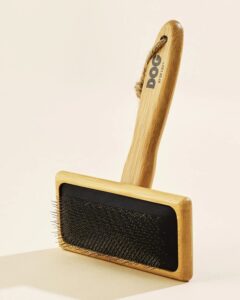
 DOG By Dr Lisa Dog Brush
lovely everyday brush for dog parents who want something gentle and easy to use.

-
DOG By Dr Lisa Dog Brush
lovely everyday brush for dog parents who want something gentle and easy to use.