
Dog Owner Cleaning Tips
e all love our dogs, but we don’t love the mess they leave behind quite as much. Pet hair on the couch, muddy paw prints across the kitchen floor, the occasional accident, the faint but unmistakable smell of dog. If any of that sounds familiar, you’re in the right place.
Here are 11 simple, effective cleaning tips every dog owner should know, organized by the problem they solve.
Quick answer: The most effective dog cleaning toolkit combines a robotic vacuum for daily pet hair, a white vinegar solution for accidents and odors, easy-wash throws to protect furniture, and a nail grinder to prevent floor scratches. Regular grooming is the single biggest thing you can do to reduce mess at the source.
Problem 1: Pet Hair Everywhere
On your bed, on your couch, on your black pants right before you walk out the door. Pet hair is the number one cleaning challenge for dog owners, but there are ways to keep it genuinely under control.
1. Robotic Vacuum
Introducing a robotic vacuum into our home literally changed everything. Why spend your days vacuuming pet hair when the vacuum can handle it on a schedule?

Modern robotic vacuums are designed specifically for pet homes, with stronger suction and tangle-resistant brushes that won’t clog every five minutes. Program it for a daily run and come home to a noticeably cleaner floor without lifting a finger.
According to Consumer Reports, robot vacuums designed for pet hair outperform standard models significantly when it comes to fur pickup on both hard floors and low-pile carpet, which is exactly what most dog households need.
2. Lint Roller
A quality lint roller is non-negotiable. Keep a large one at home for clothes, pillows, and soft furnishings, and a smaller version in the car for last-minute touch-ups before you arrive anywhere that isn’t your own couch. Rubber dishwashing gloves work as a quick backup in a pinch: just run a damp gloved hand over upholstery and the hair clumps right up.
3. Regular Grooming
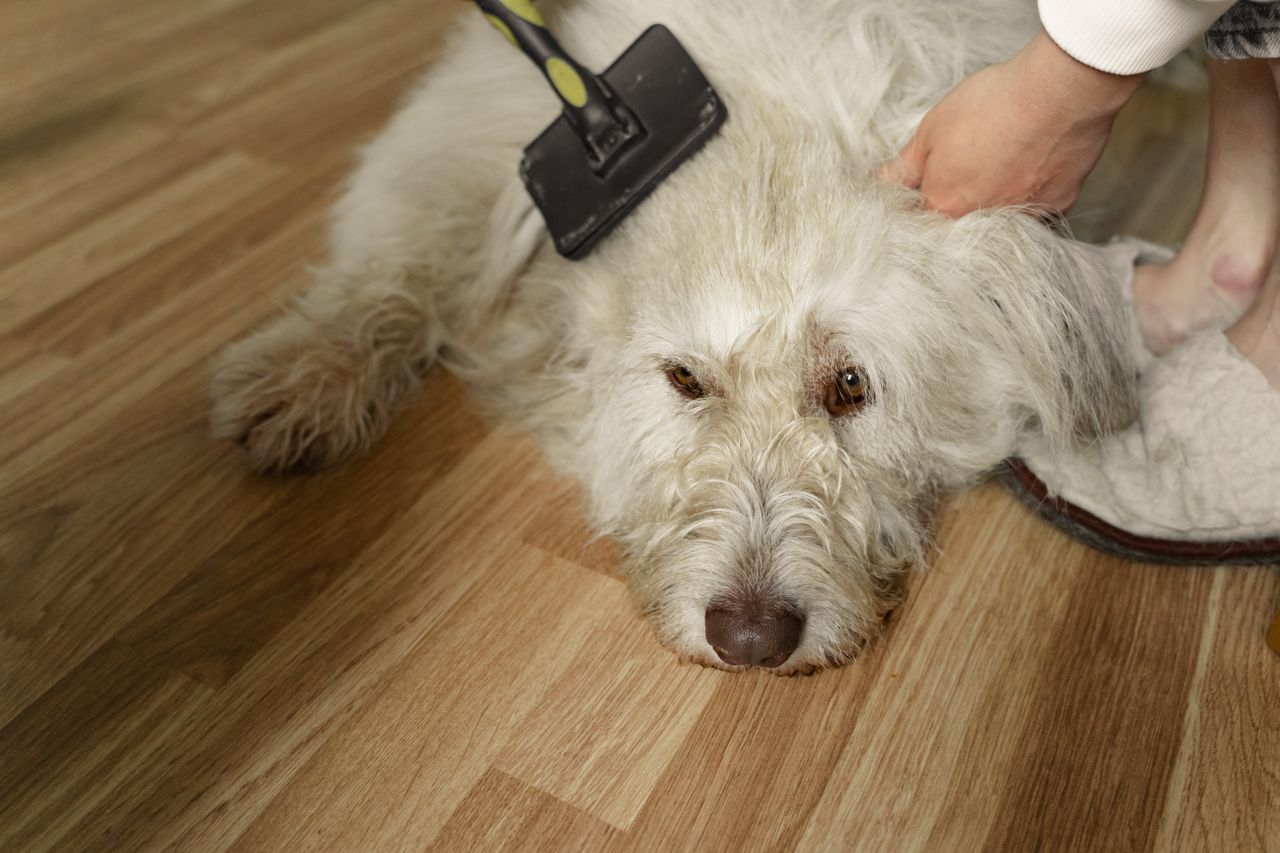
The more hair that comes off during brushing, the less ends up on your furniture. Regular grooming is the most effective long-term solution for pet hair management, and it’s good for your dog too. The Dyson Groom attachment takes this further by connecting a grooming tool directly to your vacuum, so loose fur gets captured at the source instead of floating onto every surface in the room.
If your dog is a big shedder, check out our pet hair removers guide for tools that actually make a dent.
Problem 2: Accidents and Odors
Whether you have a puppy mid-toilet training, a senior dog having an off day, or just that one rainy walk where everything went sideways, accidents are a part of life with dogs. The key is acting fast and using the right method.
4. Homemade Cleaning Solution
When dealing with a toilet accident on carpet or upholstery, blot the area immediately (never rub — it pushes the stain deeper), then apply a solution of equal parts water and white vinegar with a couple of squirts of gentle dish soap. Dab slowly to lift the stain, then allow to air dry. White vinegar neutralizes the ammonia in urine, which is what causes lingering odor.
Always test on a hidden spot first to make sure the solution is compatible with your fabric or carpet.
5. Baking Soda for Deep Odors
For dog smell that’s settled into a dog bed, couch cushion, or carpet, baking soda is your friend. Sprinkle generously, leave for 15 to 30 minutes, then vacuum thoroughly. It absorbs odors without adding fragrance, which makes it safer around dogs than many commercial sprays. For dog beds specifically, look for covers that are fully machine washable so you can do a proper clean regularly rather than just deodorizing the surface.
6. Ventilation and Room Fresheners
No cleaning routine substitutes for fresh air. At least once a week, open as many windows as possible and let the house breathe. Then follow up with a room spray, diffuser, or candle to keep things smelling clean between washes. Avoid plug-in air fresheners with strong synthetic fragrance near your dog’s sleeping area — the concentrated chemicals aren’t great for dogs to breathe in at nose height all day.
Problem 3: Muddy Paw Prints
Paw prints track in from wherever your dog has been. A muddy park, a wet backyard, a puddle they spotted from 50 meters and made a beeline for. You don’t have to sacrifice your floors or furnishings — you just need a system.
7. Easy-Wash Throws
The single best thing you can do for your furniture is cover the spots your dog gravitates to with machine-washable throws. Go for natural tones — soft greys, taupes, earthy patterns — so they look intentional rather than like damage control. Throw them in the wash weekly and your actual furniture stays clean underneath. This also works beautifully on dog blankets and beds layered on the couch.
8. Paw Towel Station by the Door
Intercept dirty paws before they reach the rest of the house. Keep a dedicated towel or microfiber cloth right by your main entry point, and make wiping paws part of the coming-home routine. For particularly muddy days, a small tub of warm water by the back door lets you rinse before you dry. Dogs who are trained early to stop at the door and wait for a paw wipe make this surprisingly easy.
While you’re managing paw care, it’s worth checking the paws themselves regularly — cracked pads, debris between toes, and overgrown fur around the feet can all cause discomfort. Our health and wellbeing guide covers what to watch for.
Problem 4: Messy Eaters
Some dogs eat like they’re in a hurry and haven’t eaten in three days. Food flicked out of the bowl, water splashed across the floor, a general radius of chaos around the feeding station. A couple of small changes make this so much easier to manage.
9. Feeding Mats and Placemats
A silicone or waterproof mat under your dog’s bowls catches spills before they reach the floor and wipes clean in seconds. It’s the lowest-effort upgrade to your feeding setup. Pair it with the right dog bowl for your dog’s eating style — slow feeders for fast eaters, wider bowls for flat-faced breeds — and you’ll cut mess significantly.
10. Dog Bandanas for Droolers
For dogs who drool or dribble constantly, a dog bandana around the neck catches a surprising amount of mess before it hits the floor. It’s practical and they look adorable in the process. Slide it on when needed, toss it in the wash as required.
If you’re into a DIY project, try our No-Sew Dog Bandana Tutorial — no sewing machine needed. Or if you want something ready to go, our fall dog accessories edit has some great bandana picks.
Problem 5: Scratched Floors and Furniture
That clickety-clack sound on hardwood means your dog’s nails are too long, and overgrown dog nails leave marks on floors, snag fabric, and can actually affect your dog’s posture and comfort over time.

11. Nail Grinding Instead of Clipping
Most dogs who hate nail trims aren’t reacting to the nail work itself but to the pressure and snap of clippers, especially if the quick (the blood vessel inside the nail) has ever been nicked. Nail grinding is gentler. A rotary nail grinder files down the nail gradually, with no sudden pressure or risk of cutting too deep. Most dogs tolerate it much better once they’re introduced to it slowly.
Start with short sessions, reward heavily, and build up over a few weeks. The result is smooth, short nails that won’t damage your floors or scratch you during play. Keeping nails well-maintained is also better for your dog’s paw health and joint alignment over the long term.
A Note on Dog-Safe Cleaning Products
When you’re cleaning up after your dog, it’s worth thinking about what they’re going to walk through, lick off the floor, or breathe in at ground level.
Many conventional cleaning products contain ingredients that can irritate dogs’ paws, skin, or respiratory tracts.
Look for enzyme-based cleaners for pet stains (they break down the organic matter rather than just masking the smell), and avoid products with pine oil, phenols, or strong bleach in areas your dog has regular access to.
The white vinegar and dish soap solution mentioned above is one of the safest and most effective options for everyday pet mess. For tougher jobs, enzyme-based pet cleaners are widely available and genuinely work better on biological stains than standard household cleaners.
Frequently Asked Questions
How do I get dog smell out of my house?
The most effective approach combines regular vacuuming (especially upholstery and soft furnishings where odor embeds), washing dog bedding weekly, sprinkling baking soda on carpets before vacuuming, and airing the house out with open windows regularly. Enzyme-based sprays tackle the source of biological odors rather than masking them, which makes them more effective long term than air fresheners alone.
What’s the best way to remove pet hair from furniture?
A lint roller is the quickest fix. For larger areas, slightly damp rubber dishwashing gloves or a damp sponge rubbed across upholstery clump hair together for easy removal. A robotic vacuum with upholstery attachments handles daily maintenance. The most effective prevention is a washable throw over your dog’s favorite spots so the hair lands on the throw rather than the furniture itself.
How do I stop my dog’s paws from tracking mud inside?
A dedicated paw-wipe station at the door is the simplest fix. Keep a microfiber towel or paw cleaning cup right at the entrance and make wiping paws a non-negotiable part of every return from outside. Teaching your dog to wait at the door while you wipe their paws takes a few consistent days of practice and makes the habit stick quickly.
Is white vinegar safe to use around dogs?
Yes, diluted white vinegar is one of the safest pet-friendly cleaning solutions available. The smell dissipates quickly once dry and it’s non-toxic to dogs. It’s particularly effective for neutralizing urine odor because it breaks down the ammonia compounds that cause the smell to linger. Avoid using it undiluted on delicate fabrics or natural stone surfaces.
How often should I wash my dog’s bedding?
At least once a week for most dogs, or more frequently if your dog gets muddy regularly, has skin issues, or sleeps somewhere that traps a lot of hair and dander. Washing bedding frequently is one of the most effective things you can do for general home freshness and for your dog’s skin and coat health.
How do I clean up a dog accident on carpet quickly?
Act immediately. Blot (don’t rub) with paper towels to absorb as much liquid as possible, then apply a mix of equal parts water and white vinegar with a small amount of dish soap. Dab the area gently, blot again, and allow to air dry. If any odor remains once dry, sprinkle baking soda over the spot, leave for 20 minutes, then vacuum. For set-in stains, an enzyme-based pet cleaner is the most reliable option.
For more home and lifestyle inspiration for dog owners, browse the Pretty Fluffy Directory where we round up the best dog-friendly products across every category.
Pet lifestyle expert Serena Faber-Nelson is the founder of Pretty Fluffy. A contributor to Everyday with Rachael Ray, Modern Dog Magazine, Cesars Way and more; her modern, stylized take on DIY dog treats has seen her recipes viewed millions of times over.
Serena is the author of the go-to dog mom bible, Dog Mama, and the popular dog treat recipe book, Healthy Homemade Dog Treats.



-
 DOG By Dr Lisa Dog Brush
lovely everyday brush for dog parents who want something gentle and easy to use.

-
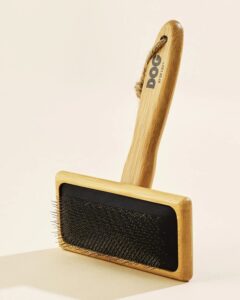
DOG By Dr Lisa Dog Brush
lovely everyday brush for dog parents who want something gentle and easy to use.
My dog has made smudges (with his paw pads) on microfiber, how do I clean that?
WOW! Amazing tips! I will be sharing this on my company’s Facebook!
Really its informative tips.This article is amazing. I have found this to be very informative. I’m looking forward to read more of your work.
Dog Wash
I totally support any of those cleaning pet hair solutions. I have been using some of them, for the rest I know from friends, and they are doing a great job! Greetings
My life would not be complete without a lint roller!
As to pet hair on furniture, you can also take a damp paper towel and rub over the furniture, then follow with a dry paper towel. Removes an awesome amount of hair.
So how do you keep the fur out of the way when you are grinding their nails.
Please help me my Maltese poedel is staying with me in a first floor flat. What can I do that she will not pee on my bed?
Does anyone have any ideas for what essentially oil I could use safely on my puppy for dry skin
1 tsp of coconut oil per 40# will help with skin issues. Start out slow on the CO as it can cause diarrhea. Other ideas are fish oil, or salmon oil, some say olive oil. If you google it there is alot of info out there now.
Awesome tips especially the throws! I am the queen of throws and the pooch loves them too! And thank you for including the Dyson groom. I have not seen this before but loving the concept.
How about drool/nose art on windows? I can’t seem to get it off easily with windex no matter how hard I scrub…
Oh why would you want to remove such beautiful nose art. I have that problem too.
The robot vacuum cleaner caught my eye because it is designed for pet hair! I fear that ‘normal’ robovacs might just become clogged in a matter of minutes!
Ah yes – the nose prints on glass! I know there is a window cleaner by 3M that has a ‘scotch guard’ effect in which with each clean it builds up a layer to prevent marks – however depending on how much your dog’s lick them it might not be best for them to be consuming the cleaning product remnant left over.
If you ever catch them in the act, try replacing the window action with a peanut butter filled Kong to nuzzle and lick. 🙂
How about trying a spray bottle with vinegar? Works quite well for me.
The other thing that works is to wipe over the area with eucalyptus or ti-tree oil – seems to put him off nosing the area.
Good luck
I found just using a vinegar, water, lemon essential oil mix – the windows clean up really well. I also use microfiber towels
Use a nice wet magic eraser…then just paper towel dry!!! Works great
for nose prints and dog slobber in general;
spray glass cleaner and rub it in with your fingertips.
then wipe with paper towels or newspaper bunched up.
this will take off the stubborn spots.
Great tips – I love the idea of the rubber gloves. Lola would probably boycott the idea of the dog vacuum, haha.