
Why Your Dog Barks at Passed By? 6 Common Reasons & How To Fix It

Barking dog driving you (and the neighbours!) crazy? Find out why your dog won’t stop barking and how to put a stop to it.
Copy: Katy & Shell
Photography: Dogfolk Pet Photography
Just like it’s natural for humans to speak, it’s natural for dogs to bark! But if your dog is going – literally! – barking mad, this may signal something is bothering your pup more than usual.
It goes without saying, but a dog that barks at everything can be a real nuisance. There may be times when you can ignore it or put up with it, but other times (such as when you’re trying to sleep or have guests over) when excessive dog barking can interfere with your daily life.
It can also be a real pain for your neighbours. After all, who wants to hear a dog yapping away all day and night?!
No matter how cute and otherwise well-behaved your dog is, barking is a behavioural issue that can get worse without proper intervention and training. But first, it’s important to understand why dogs keep barking, and how to determine when it’s a problem.

If you’ve been pulling your hair out asking, ‘why does my dog bark so much?!’ read on to learn the common reasons why, along with proven and easy ways to stop your dog from barking at everything.
After reading the below tips, you could even say you’ll become a bark-eting expert!

Need more dog training tips?
Check out our popular training posts on how to stop your dog jumping on everyone and simple tips to stop leash pulling!

Why Your Dog Barks at Pass By
Constant window barking isn’t just a bad habit; it’s a form of communication driven by deep-seated instincts. When your dog barks at a trigger outside, they are reacting to something. Identifying the motivation behind the bark is crucial for choosing the right training strategy.
Territorial Protection
Many dogs are natural protectors of their home and family. From their perspective, a person or animal walking past is an intruder on their territory. The window acts as a barrier, but the visual trigger is enough to activate their instinct to guard the den. This type of barking is often loud, deep, and assertive.
Fear or Anxiety
For some dogs, the world outside is scary. Unfamiliar people, other dogs, or loud vehicles can be perceived as threats. A fearful dog might bark to make the scary thing go away. This behavior is self-rewarding; when the person eventually walks out of sight, the dog believes their barking successfully chased the threat away, reinforcing the action.
Boredom and Pent-Up Energy
A dog without sufficient physical exercise or mental stimulation will find its own job. Window watching becomes an exciting activity. Barking at things that move adds a layer of self-entertainment to an otherwise uneventful day. If your dog lacks other outlets for its energy, it may turn to barking as a default behavior.
Alerting the Pack
Some breeds, particularly herding and guardian breeds, were developed to be vigilant watchdogs. Barking is their way of alerting the pack (you!) to something noteworthy in the environment. They aren’t necessarily being aggressive; they are simply doing the job that is hardwired into their DNA.
An alert Bernese Mountain Dog mix sitting on a hardwood floor and looking out a bright window.
Immediate Relief: How to Manage the Environment
While training is the long-term solution, managing your dog’s environment can give you immediate peace. The goal is to reduce your dog’s ability to see or hear the triggers that cause barking. By controlling the situation, you prevent the dog from practicing the unwanted behavior, which is a critical first step.
Obscure the View
If your dog can’t see the triggers, they can’t bark at them. Applying a translucent privacy film to the bottom half of your windows is an excellent solution. It lets light in but obscures the view of the street or sidewalk. You can find decorative options at most home improvement stores. This simple change removes the constant visual stimulation.
Rearrange Your Furniture
Take a look at your room’s layout. Is your dog’s favorite perch a couch or chair placed directly in front of a window? Moving furniture away from these lookout spots can discourage window watching. If the dog can no longer comfortably sit and stare outside, they are less likely to notice every little movement.
Mask Outdoor Sounds
Sometimes, the trigger isn’t visual but auditory. A dog’s hearing is far more sensitive than ours. A white noise machine, a fan, or playing calming music can help mask the sounds of neighbors, closing car doors, or other dogs barking. This creates a more controlled and less stimulating indoor soundscape for your pet.
Proactive Training: Reshape Your Dog’s Reaction
Management techniques are helpful, but training is what creates lasting change. The objective is to change your dog’s emotional response to triggers from alarm or excitement to calm anticipation. These methods require patience and consistency but are highly effective.
Play the ‘Look at That’ Game
The ‘Look at That’ (LAT) game is a powerful tool for changing a dog’s association with a trigger. It teaches your dog that seeing something that used to cause barking now means they should look to you for a reward.
Follow these steps to get started:
- Find the Threshold: Stand with your dog on a leash at a distance from the window where they can see a trigger (like a person walking by) but are not yet reacting. This is their threshold.
- Mark and Reward: The moment your dog looks at the trigger, say “Yes!” in a happy tone and immediately give them a very high-value treat (like chicken or cheese).
- Repeat: Continue this process. Your dog will look at the trigger, and then quickly look back at you, anticipating the treat. This is the goal! You are rewarding them for noticing the trigger and then checking in with you.
- Gradually Decrease Distance: Over many sessions, you can slowly move closer to the window as your dog becomes more comfortable and less reactive.
Desensitization and Counter-Conditioning
This process involves exposing your dog to their triggers at a very low intensity and pairing that exposure with something positive. For example, you could ask a friend to help. Have them walk by your house at the far edge of your property, far enough away that your dog notices but doesn’t bark.
As soon as your dog sees them, start feeding a steady stream of high-value treats. Stop the treats the moment your friend is out of sight. Over time and many repetitions, your friend can walk slightly closer. The goal is to build a positive association: the sight of a person passing by predicts delicious treats, not an invasion of territory.
Teach a ‘Quiet’ or Alternative Command
Telling a dog to simply stop barking is often ineffective because it doesn’t give them an alternative behavior. Instead, you can teach them what you want them to do. One effective method is to teach a quiet bark, or a ‘boof’.
First, teach your dog to ‘speak’ on command. Reward them for barking when you ask. Once they have that down, start rewarding quieter barks. You can say something like “good quiet” or “give me a boof.” Gradually, you only reward the softest barks until your dog learns to offer a single, quiet ‘woof’ instead of a full-blown barking fit. This allows them to fulfill their need to alert you without disturbing the whole neighborhood.
It’s also worth noting that some dog breeds, such as beagles, dachshunds and Australian shepherds, are more prone to excessive barking than others. And just like people, every dog has its own unique personality. They may just simply like to bark!
How to stop your dog from barking
Knowing how to stop your dog barking excessively starts with identifying the root cause. After reading the above reasons why dogs bark, you’ll be more able to identify what’s triggering the behaviour.
Once you know why your dog is barking, then it’s time to focus on retraining their behaviour or making changes to their environment, depending on the root cause of the barking.
Retraining your dog is a great way to encourage them to stop barking, though this requires some time and patience. But your efforts will be well-rewarded with a more peaceful and quiet pet-friendly home!
Here are some effective and proven ways to overcome excessive dog barking:
Desensitize your dog to the triggering event
Much like exposure therapy for humans, this involves slowly exposing your dog to their triggering event. When they start to bark, give a clear and firm command such as “no!”. You can also use distraction techniques, such as commanding “sit!” and diverting their gaze to treats or toys to keep their attention away from their trigger.
Every time your dog doesn’t bark, reward them with a treat. Every time they do bark, ignore it and try again. This approach takes persistence and practice, but if you are consistent you will see results.
Ignore attention-seeking barking
If you think your dog is barking simply to get your attention, then simply ignore it. Again, this isn’t easy either – but keep at it! Whenever your pup is quiet, reward them with a treat, or praise and pat.
Dogs love attention, so if they realise that barking isn’t giving them their desired outcome, they’ll slowly learn to stop that behaviour.
Stay calm
Although excessive dog barking can be annoying, remember to stay calm! If you don’t, your dog will sense this and only mirror your frustration with further barking.

Positive reinforcement
Using rewards-based, positive reinforcement with praises and treats (check out these healthy homemade dog treat recipes) you can retrain your dog’s brain to not associate triggers (such as other people or dogs) with the need to bark.
Exercise your dog
If your dog’s barking is due to environmental stressors such as being left alone or boredom, then ensure your dog is getting proper exercise daily. This could be a walk around the block or to the local park, or at the very least, running around the backyard playing fetch. Aim for 30 minutes of continuous exercise depending on the size, breed and energy levels of your dog.
If you spend your day at work, then try to fit in your walk either before work or when you come home. This will help your best friend to burn off excess energy and keep them stimulated. It will also give them something to look forward to!
Allow your dog to socialise
If you suspect your dog is lonely or suffering separation anxiety, then explore options such as a dog sitter, doggy daycare, or consider getting a second dog!
Enrichment toys
If the above options aren’t suitable for your situation, then you should focus on keeping your dog as stimulated as possible while you’re gone. This can include leaving boredom busters for them to play with, such as a Kong filled with treats, or even this simple homemade apple Kong! You can also provide them with high quality chew toys to keep them occupied during the day.

Keep your dog’s barking under control
Dogs can have excessive barking episodes for a number of reasons. For the most part, it’s not a sign of anything too serious. However, the problem can certainly cause upset for you and your neighbours, which may lead to an awkward noise complaint.
Persistent training and maintaining a calm, assertive tone with your dog is so important for tackling most of the issues listed above. With positive reinforcement training and positive environmental changes, your dog will learn to settle and bark less.
In cases of extreme separation anxiety, or if the barking doesn’t improve using the above tips, then it’s a good idea to visit your local vet for further advice. They may recommend anti-anxiety medication for your dog (if anxiety is determined to be the main cause of barking) or direct you to other training techniques or tools that can help, such as an animal behaviourist.
Best of luck – and remember, patience and persistence pays off!

Pretty Fluffy is the ultimate lifestyle destination for dog lovers. Discover the best designer dog brands and emerging small pet businesses, the latest dog accessories, healthy dog treat recipes, dog training tips and more. Thank you for being part of our dog-loving community!

Shell & Katy are two style-savvy dog mums celebrating the best in pet-friendly living. A pet photographer and dog lifestyle writer, together they share trending pet products, recipes, inspiration and expert tips with discerning dog lovers around the world.
Copy: Katy & Shell
Photography: Dogfolk Pet Photography



-
 Dog Mom Gift Basket
The perfect Valentine's Day gift for a dog mom!
-
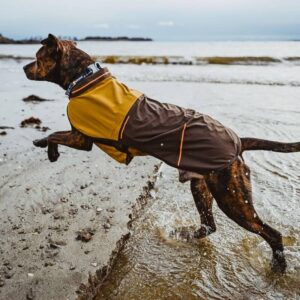
Ruffwear Sunshower Dog Rain Jacket
Your pet's perfect company for the days that pours cats and dogs!


-
Dog Mom Gift Basket
The perfect Valentine's Day gift for a dog mom!
-
Ruffwear Sunshower Dog Rain Jacket
Your pet's perfect company for the days that pours cats and dogs!
[…] Why Does My Dog Bark At Everything? 6 Reasons & How To Fix It […]