
The Student Guide to Having a Pet: Making Campus Life Better (Without Chaos)

College can feel loud, busy, and a little overwhelming. Classes shift every semester, roommates come and go, and schedules change faster than sleep cycles. Pets can make that chaos feel softer. A cat curled at your feet during late-night study sessions, a dog that forces you to take real breaks, or even a small pet like a gecko or hamster that adds routine to your day – animals bring comfort when everything else feels temporary.
But being a student with a pet isn’t just about cute moments. It requires planning, time management, budgeting, and understanding what kind of care you can realistically handle. Pets rely on you, and college isn’t always predictable. Still, with the right setup, pets can make student life healthier and more grounded.
Some students balance responsibilities by getting academic support during tight weeks. Many rely on writing help for university students, especially during midterms when managing both schoolwork and pet care gets intense. Having tools that lighten the mental load – including a reputable essay writing service helps keep life balanced so you can enjoy both studying and caring for an animal.

Let’s break down the smart way to bring pets into student life – not as a stressor, but as a steady part of your routine.
Choose a Pet That Fits Your Lifestyle
Not every pet works for every student. Before bringing home anything furry (or scaly), think about your schedule, budget, and living space.
Here’s a quick breakdown:
Low-maintenance pets
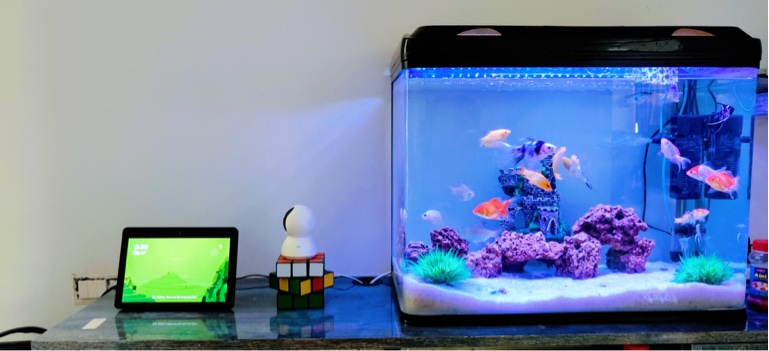
- fish
- hermit crabs
- snails
- geckos
- hamsters
These need consistent care but don’t demand emotional attention or hours of playtime. Good for students with classes from morning to night.
Medium-maintenance pets
- cats
- rabbits
- guinea pigs
These animals need enrichment, interaction, and regular cleaning. They work best when you spend a lot of time at home.
High-maintenance pets
- dogs (especially puppies)
- birds with high social needs (like parrots or cockatiels)
These demand training, outdoor time, mental stimulation, and routine. They’re wonderful companions, but only if you have the time and living situation to support them.
Pick a pet that fits your life now, not the life you hope to have later.
Understand Housing Rules First
Before you adopt anything, check your lease or campus housing policies. Some dorms allow pets under a certain weight. Others only allow emotional support animals with paperwork. Many off-campus apartments have breed restrictions or monthly pet fees.
Skipping the paperwork can get both you and the animal kicked out – not worth the risk.
Build a Budget Around Your Pet
A lot of students adopt on impulse, then realize food, litter, vet visits, and supplies add up. Costs vary, but here’s a rough idea:
- cats: moderate cost, consistent upkeep
- dogs: higher cost, more unexpected expenses
- reptiles: high setup cost, lower long-term cost
- small mammals: low cost but frequent bedding changes
Create a simple monthly budget before adopting. It helps you avoid emergencies and makes pet care feel manageable rather than stressful.
Plan Around Your Schedule
Pets need consistency. If exams, club events, and work shifts change constantly, build routines that still protect feeding times, playtime, and cleaning.
Some students schedule pet care like classes:
- morning feeding
- afternoon cleanup
- evening enrichment
Routines make it easier to juggle both school and responsibility.
When a Pet Helps Your Mental Health
Many students adopt pets because being away from home, living with new people, and navigating adulthood can be emotionally heavy. Animals stabilize that. Routine, affection, and companionship help with stress, homesickness, and burnout.
Still, the pet shouldn’t replace self-care – it should support it. A pet that gives comfort but increases anxiety because you can’t keep up defeats the purpose.
Academic Pressure + Pet Care = Time Strategy
During lighter months, balancing both feels natural. But during finals, essays stack up fast. That’s where planning ahead matters. Some students use tools, tutors, or editing support so pet care doesn’t slip through the cracks.
Breaks matter, too. A 20-minute walk with your dog can clear your head faster than scrolling on your phone.
This is the same reason students use helpful resources like this breakdown of coding practice platforms from EssayPro’s community. Small breaks keep your brain sharp, and pets are the best excuse to step away.
Both academics and animals need your attention – planning keeps them from competing.
If You Have a Dog, Be Realistic
Dogs are loyal, loving, and energizing, but they’re also demanding. If you want a dog in college, think long-term:
- who walks them while you’re in class
- how often you travel home
- how you’ll pay for vaccinations and emergencies
- how much space they have for exercise
Small apartments and busy schedules don’t make dog ownership impossible, just more intentional.
If You Have a Cat, Think Enrichment
Cats seem independent, but boredom can lead to stress or destructive behavior. Students with cats should provide:
- climbing shelves
- scratchers
- window perches
- interactive play sessions
You don’t need fancy gear – DIY cardboard toys and thrifted shelves work.
Adding Structure Helps Your Grades
Pet routines often improve productivity. Feeding times, walks, and cleaning create natural breaks that push students into better study habits.
You might write a paragraph, throw a toy for your cat, then come back with clearer focus. Or finish a reading assignment before taking the dog out. Structure makes you more efficient and grounded.
As Annie Lambert, who supports students through the academic side of the paper writing service, puts it, “Pets don’t take time away from school – they give you a reason to manage it better.”
Think About Life After College
Graduation might mean moving, new housing, or switching cities. A pet comes with you through those transitions, so make sure you’re ready for long-term commitment.
If you plan to travel after college or relocate often, choose a pet whose needs align with your future lifestyle.
Final Thoughts
Pets can make student life feel calmer, warmer, and more meaningful. They help with stress, bring routine, and remind you that life isn’t just classes and deadlines. But they also need care, consistency, and planning – especially when you’re balancing school, work, and limited space.
Pick an animal that fits your routine. Build structure. Budget realistically. Ask for essay writer help when things get intense. Pets make student life better when you create a healthy balance that supports both you and them.
With the right plan, you get companionship, routine, and a little joy waiting for you every time you walk back into your room.
Disclaimer: Articles in our Beyond category are independent. They are not overseen by our editorial team and may not reflect our opinion.





-
 WOOF Party Pupsicle
Long-Lasting Interactive Dog Toys for Boredom


-
WOOF Party Pupsicle
Long-Lasting Interactive Dog Toys for Boredom