
Senior Dog Incontinence: How to Support Aging Pets
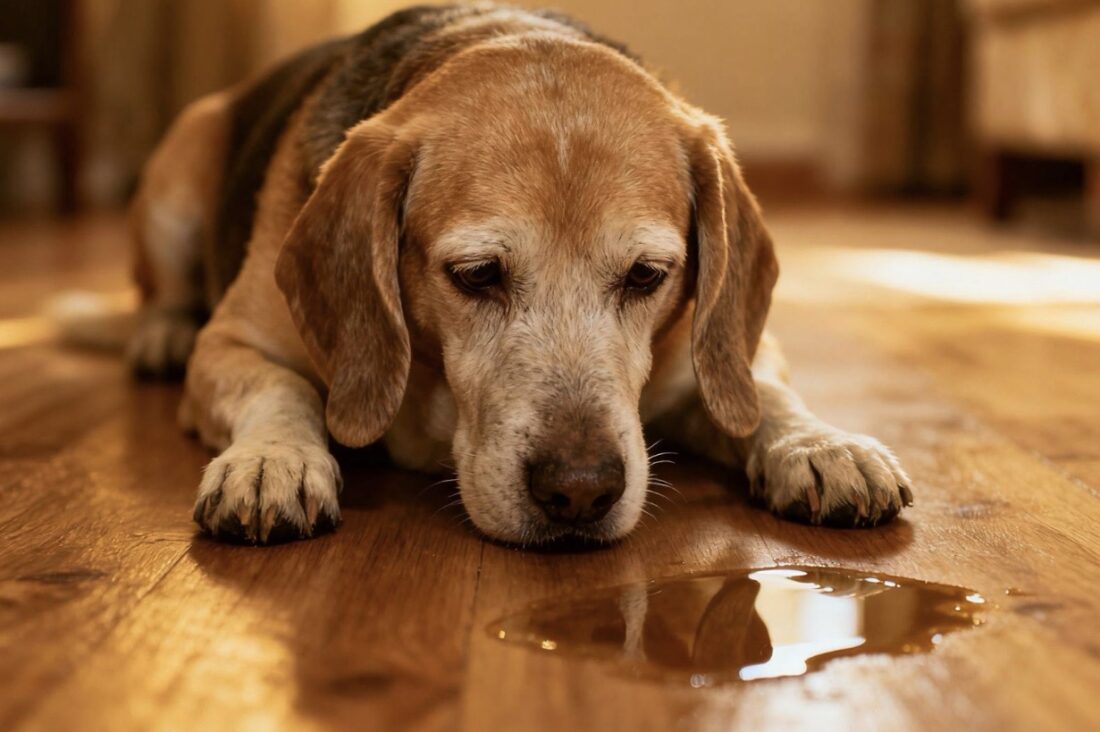
Discovering wet spots on your senior dog’s bed or noticing damp fur on their hind legs can be concerning. If your senior dog is experiencing incontinence, you’re not alone – this is a common challenge that many pet owners face as their dogs age. It’s important to remember that incontinence is involuntary. Your dog isn’t misbehaving; they simply can’t control their bladder the way they used to.
Senior dog incontinence affects countless older pets, but understanding the causes and knowing how to manage it can make a significant difference in both your dog’s comfort and your peace of mind. This guide will walk you through everything you need to know about elderly dog incontinence, from identifying symptoms to finding effective treatment options and practical home management strategies.
Understanding Senior Dog Incontinence
Before diving into management strategies, it’s essential to understand what’s actually happening when your senior dog experiences incontinence. Knowing the difference between involuntary leakage and other urinary issues helps you communicate effectively with your veterinarian and choose the right solutions. Let’s explore what incontinence really means and how to recognize it in your aging companion.

What Is Urinary Incontinence in Dogs?
Urinary incontinence is the involuntary loss of bladder control, meaning your dog leaks urine without realizing it. Unlike house training accidents where a dog deliberately urinates indoors, incontinence happens without your pet’s awareness or control. This condition typically develops gradually as dogs age, though it can sometimes appear suddenly.
Older dog urinary incontinence differs from behavioral issues or simple aging-related weakness. It’s a medical condition that stems from changes in the urinary system, hormonal shifts, or underlying health problems. Understanding this distinction helps you approach the situation with compassion rather than frustration.
Common Signs and Symptoms of Senior Dog Incontinence
Recognizing the signs of geriatric dog incontinence early allows you to seek veterinary care promptly. Watch for these telltale indicators:
- Wet spots on bedding, furniture, or floors where your dog rests
- Damp or urine-soaked fur around the hind legs and tail
- Dribbling urine while walking or standing up
- Increased frequency of urination or urgency
- Strong urine odor on your dog’s coat or sleeping areas
- Skin irritation or redness around the genital area
Some dogs may also lick their genital area more frequently due to the constant moisture. If you notice any of these symptoms, it’s time to consult your veterinarian for a proper evaluation.
Common Causes of Dog Incontinence in Older Dogs
Understanding why your senior dog is experiencing incontinence is the first step toward finding the right treatment. While aging naturally affects bladder control, various medical conditions and hormonal changes can also play a role. Let’s examine the most common causes so you can better understand what might be happening with your pet.
Age-Related Changes and Natural Aging
As dogs age, the muscles that control bladder function naturally weaken. The urethral sphincter, which keeps urine contained in the bladder, may lose tone over time. This weakening is simply part of the aging process and affects many senior pets, particularly larger breeds.
The bladder wall itself may also become less elastic with age, reducing its ability to hold urine for extended periods. These natural changes don’t necessarily indicate serious illness, but they do require management and sometimes medical intervention.
Medical Conditions Affecting Bladder Control
Several health conditions can contribute to incontinence in older dogs. Urinary tract infections are particularly common and can irritate the bladder, causing leakage. Bladder stones may also prevent complete bladder emptying, leading to overflow incontinence.
Spinal cord problems, arthritis affecting the spine, or neurological issues can disrupt the nerve signals between the bladder and brain. Kidney disease, diabetes, and Cushing’s disease can increase urine production, overwhelming an already weakened bladder.
Hormonal Imbalances (USMI in Spayed Females)
Urethral sphincter mechanism incompetence (USMI) is one of the most common causes of incontinence in spayed female dogs. When dogs are spayed, their estrogen levels drop, and this hormone plays a crucial role in maintaining urethral muscle tone.
Without adequate estrogen, the muscles controlling the urethra relax, making it difficult for your dog to hold urine, especially when lying down. This condition typically appears several years after spaying and is highly treatable with hormone supplements or medications.
Cognitive Dysfunction and Dementia
Canine cognitive dysfunction, similar to Alzheimer’s disease in humans, affects many senior dogs. Dogs with this condition may forget their house training or fail to recognize the need to go outside. They might urinate indoors simply because they’ve lost awareness of appropriate elimination behaviors.
Unlike physical incontinence, cognitive-related accidents often happen when the dog is awake and active. You might notice other signs of cognitive decline, such as disorientation, disrupted sleep patterns, or decreased interaction with family members.
Other Contributing Factors
Certain medications can affect bladder control as a side effect. Obesity puts extra pressure on the bladder, potentially worsening incontinence. Some dogs develop anatomical abnormalities or tumors that interfere with normal urinary function.
Previous surgeries or injuries to the pelvic area may also contribute to weakened bladder control later in life. Identifying these contributing factors helps your veterinarian create a comprehensive treatment plan.
When to See Your Veterinarian
Schedule a veterinary appointment as soon as you notice signs of incontinence. Early intervention often leads to better outcomes and can prevent secondary complications like skin infections. Don’t wait to see if the problem resolves on its own, as untreated incontinence can indicate serious underlying conditions.
Your veterinarian will perform a thorough examination to determine the cause of your dog’s incontinence and rule out treatable medical issues. Prompt diagnosis is especially important because some causes, like infections or bladder stones, require immediate treatment.
Diagnostic Tests and Examinations
Your vet will likely start with a complete physical examination and urinalysis to check for infections, crystals, or other abnormalities. Blood work helps assess kidney function and screen for diabetes or hormonal imbalances that might contribute to excessive urination.
Additional diagnostic tools may include:
- Urine culture to identify bacterial infections
- Abdominal ultrasound to visualize the bladder and surrounding structures
- X-rays to detect bladder stones or spinal abnormalities
- Specialized tests to evaluate urethral pressure and bladder function
These tests provide crucial information that guides treatment decisions and ensures your dog receives appropriate care.
Important Questions Your Vet May Ask
Be prepared to answer detailed questions about your dog’s symptoms and habits. Your vet will want to know when you first noticed the incontinence, whether it happens when your dog is sleeping or active, and how frequently accidents occur.
Other relevant information includes any recent changes in water consumption, appetite, or behavior. Mention all medications your dog takes and any previous health issues. This information helps your veterinarian piece together the most likely diagnosis and recommend effective treatments.
Treatment Options for Senior Dog Incontinence
The good news is that senior dog incontinence is highly treatable in most cases. Your veterinarian can recommend various medical interventions based on the underlying cause of your dog’s condition. From medications to surgical options, here are the most effective treatments available for managing elderly dog incontinence.
Medications and Hormone Supplements
For dogs with USMI, medications like phenylpropanolamine help strengthen the urethral sphincter, significantly reducing or eliminating leakage. Hormone therapy with estrogen supplements (estriol) is another effective option for spayed females, restoring muscle tone in the urinary tract.
These medications are generally safe for long-term use and often produce noticeable improvements within days. Your veterinarian will determine the appropriate dosage and monitor your dog for any side effects.
Treating Underlying Medical Conditions
When incontinence results from an underlying condition, treating that condition often resolves the urinary issues. Antibiotics clear up urinary tract infections, while dietary changes and medications manage bladder stones. Dogs with diabetes or kidney disease require specific treatments to control these conditions and reduce excessive urination.
Addressing cognitive dysfunction with medications and environmental enrichment can help dogs with dementia-related accidents. Each underlying cause requires its own targeted approach for the best results.
Surgical Options (When Necessary)
In cases where medications don’t provide adequate relief, surgical interventions may be considered. Collagen injections around the urethra can add bulk and improve sphincter function. More invasive procedures, such as bladder repositioning or artificial sphincter placement, are reserved for severe cases.
Surgery isn’t the first choice for most dogs, but it can be life-changing when conservative treatments fail. Your veterinarian will discuss whether surgical options are appropriate for your dog’s specific situation.
How to Manage Senior Dog Incontinence at Home
While medical treatment addresses the underlying causes, practical home management strategies make daily life easier for both you and your dog. These proven tips help minimize accidents, protect your home, and keep your senior pet comfortable and dignified. Let’s explore the most effective ways to manage incontinence in your everyday routine.
Tip #1: Increase Bathroom Break Frequency
Taking your senior dog outside more frequently gives them more opportunities to empty their bladder before accidents occur. Aim for bathroom breaks every 2-3 hours during the day, and always offer a trip outside first thing in the morning and right before bed.
Pay attention to your dog’s signals and patterns. Some dogs need to go out shortly after drinking water or eating meals. By anticipating these needs, you can prevent many accidents and maintain your dog’s dignity.
Tip #2: Use Potty Pads and Indoor Solutions
Indoor potty pads provide a convenient backup when you can’t get your dog outside quickly enough. Place waterproof pads in areas where your dog spends most of their time, such as near their bed or favorite resting spots. This gives them an acceptable place to relieve themselves if they can’t hold it.
For dogs unfamiliar with potty pads, training may be necessary. Check out this helpful guide on how to train an older dog to use potty pads for step-by-step instructions tailored to senior pets. With patience and positive reinforcement, most older dogs can learn to use pads successfully.
Tip #3: Consider Dog Diapers and Belly Bands
Dog diapers and belly bands offer excellent protection for dogs with moderate to severe incontinence. Washable, reusable options are economical and environmentally friendly, while disposable varieties provide convenience when you’re away from home or traveling.
Ensure proper fit to prevent leaks and discomfort. Change diapers frequently to keep your dog’s skin clean and dry. Many dogs adjust to wearing them quickly, especially when the alternative is constant wetness and discomfort.
Tip #4: Protect Your Home with Waterproof Bedding
Waterproof mattress covers and washable bed liners protect furniture and bedding from urine damage. Choose breathable, comfortable materials that won’t make your dog overheat while sleeping. Having multiple covers allows you to rotate them during washing.
Consider elevating your dog’s bed slightly off the floor to improve air circulation and make cleaning easier. Waterproof protection saves you money on replacements and reduces stress about keeping your home clean.
Tip #5: Maintain Proper Hygiene to Prevent Urine Scald
Prolonged contact with urine can cause painful skin irritation called urine scald. Clean your dog’s genital area and hind legs daily with pet-safe wipes or a damp cloth. Dry thoroughly to prevent moisture buildup, which can lead to bacterial infections.
Apply a protective barrier cream recommended by your veterinarian to areas prone to wetness. Regular grooming, including trimming fur around the genital area, makes cleaning easier and helps keep your dog comfortable.
Tip #6: Stick to a Consistent Routine
Dogs thrive on routine, and this is especially true for senior pets managing incontinence. Feed your dog at the same times each day and maintain regular bathroom break schedules. Consistency helps regulate their digestive and urinary systems, making accidents more predictable and manageable.
A structured routine also reduces anxiety, which can exacerbate incontinence in some dogs. Knowing what to expect provides comfort and security for aging pets facing physical challenges.
Cleaning and Maintenance Tips
Effective cleaning is crucial for maintaining a fresh-smelling home and preventing your dog from returning to the same spots. Using the right products and techniques makes cleanup faster and more thorough. Here’s how to tackle urine accidents and keep your living space hygienic.
How to Clean Dog Urine Effectively
Enzymatic cleaners are essential for completely removing urine odor and stains. Unlike regular household cleaners, enzymatic formulas break down the proteins in urine that cause lingering smells. This prevents your dog from being attracted back to the same spot.
Blot fresh accidents immediately with paper towels before applying cleaner. For carpets, saturate the area thoroughly and allow the enzymatic cleaner to work for the recommended time. Avoid using ammonia-based cleaners, as they can smell like urine to dogs and encourage repeat accidents.
Products That Help Manage Incontinence
Stock up on supplies that make daily management easier. High-quality potty pads with leak-proof backing protect floors effectively. Odor-neutralizing sprays help keep your home smelling fresh between deep cleans.
Invest in a good quality pet stain and odor remover specifically designed for urine. Washable bed pads, waterproof furniture covers, and gentle pet wipes should be part of your regular supplies. Having these items on hand reduces stress and helps you respond quickly to accidents.
Important Reminders for Caring Pet Owners
Managing senior dog incontinence requires patience, compassion, and understanding. Your dog isn’t being difficult or trying to upset you – they’re dealing with physical changes beyond their control. Approaching the situation with empathy strengthens your bond and reduces stress for both of you.
Never punish your dog for incontinence-related accidents. Punishment creates fear and anxiety without addressing the underlying medical issue. Instead, focus on working with your veterinarian to find effective treatments and implementing the home management strategies outlined above.
Remember that incontinence is highly manageable with the right combination of medical treatment and practical solutions. Many dogs with incontinence continue to live happy, comfortable lives for years. Stay in close communication with your veterinarian, adjust your approach as needed, and celebrate the small victories along the way. Your senior dog has given you years of unconditional love – now is your opportunity to return that devotion by supporting them through their golden years with dignity and care.
Disclaimer: Articles in our Beyond category are independent. They are not overseen by our editorial team and may not reflect our opinion.


-
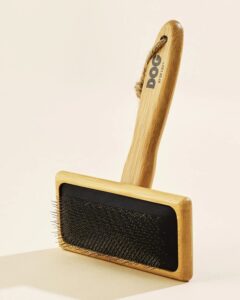
 DOG By Dr Lisa Dog Brush
lovely everyday brush for dog parents who want something gentle and easy to use.

-
DOG By Dr Lisa Dog Brush
lovely everyday brush for dog parents who want something gentle and easy to use.