
How to Prepare Your Dog for Big Life Changes at Home
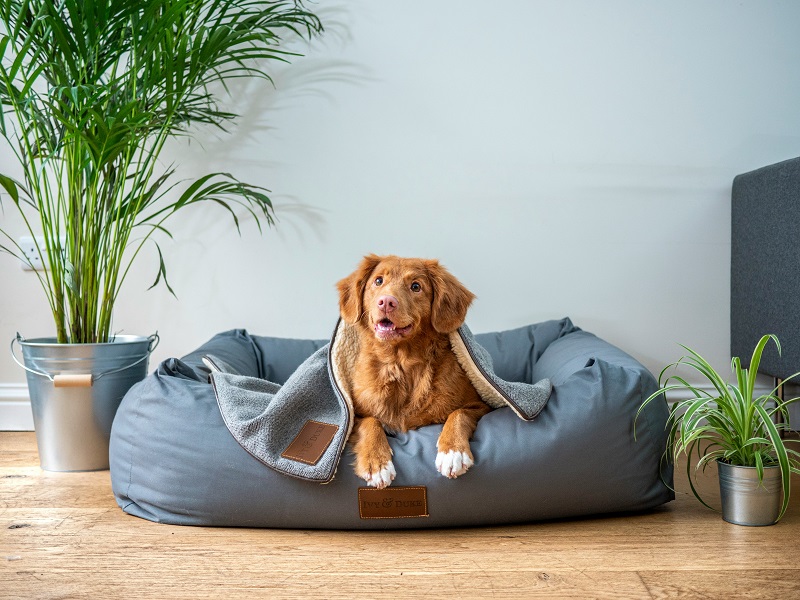
Big changes at home can feel ordinary to people because we understand the reason behind them. A dog only notices that the pattern of daily life has shifted. Furniture moves, new smells appear, familiar rooms become off-limits, and the person they usually follow may suddenly be busy. When too much changes at once, even a friendly and well-trained dog can become unsettled.
Preparation works best when it starts before the change becomes unavoidable. Your dog does not need a perfect home, but they do need a clear sense of what still belongs to them. Even a new evening routine, such as online lessons, remote meetings, or choosing to talk to women via video call online, can change household sounds, attention patterns, and resting time. Your main goal is to help your dog learn that a new activity does not mean they are unsafe, forgotten, or expected to guess what comes next.
Start with What Will Actually Change
Before you buy calming treats or rearrange the whole house, write down the specific changes your dog will notice. A move, new baby, new roommate, renovation, job change, breakup, illness, or new pet will not affect every dog in the same way.

Look at your dog’s day from their point of view. Their usual walk time may change. Their favorite sofa corner may disappear under boxes. A baby gate may block access to a room they used to enter freely.
Make a simple list with three columns: what will change, when it will happen, and how you can introduce it earlier. For example, if your work schedule shifts, start moving walks and meals by ten or fifteen minutes every few days.
Keep the Core Routine as Steady as Possible
Dogs feel safer when they can predict the main points of their day. Meals, toilet breaks, walks, bedtime, and quiet rest should stay as consistent as possible, even when the home feels busier than usual. These familiar moments help your dog understand that not everything has changed.
If the final routine must change, adjust it before the big event. A dog who is used to a long 7 a.m. walk may struggle if that walk suddenly becomes a rushed bathroom break after a baby arrives or a new work schedule begins. Shift the walk gradually, then add a shorter enrichment session later in the day so your dog still gets mental stimulation.
Try to protect the routine elements that matter most:
- Keep meal times within the same general window
- Offer bathroom breaks before long busy periods
- Maintain at least one predictable walk or play session
- Keep bedtime calm and familiar
- Give your dog quiet rest after visitors, noise, or activity
- Use the same words for common cues and house rules
- Avoid changing food, sleeping spots, and walking routes all at once
Family members should agree on the basic rules before the change begins. Mixed messages create stress, so choose simple rules everyone can follow. Reward the behavior you want, such as settling on a bed, waiting at doors, or walking calmly past new items in the home.
Build a Safe Place Before Your Dog Needs It
A safe place is not a punishment area. It is a familiar spot where your dog can settle without being touched, startled, crowded, or moved around. This might be a crate, a gated corner, a bedroom, or a bed in a quiet part of the living room.
Set it up with items your dog already knows. Use their usual bed, a washable blanket, water, and a few safe chew options. Familiar scent can be more reassuring than a new item that looks better in the room.
Teach your dog to use the space while life is normal. Toss treats there, feed meals nearby, and let them rest there with the door or gate open. If your dog only sees the space when guests arrive, the baby cries, or drilling starts, they may connect it with stressful moments.
Introduce New Sounds, Smells, and Objects Gradually
Dogs gather information through smell, sound, movement, and routine. A new crib, stroller, wheelchair, suitcase, or set of moving boxes can change the meaning of a room for your dog.
Place the item in the room without fanfare, reward calm interest, and avoid pushing your dog closer. For larger changes, break the process into steps. Bring out the stroller before the baby arrives. Roll it around the house, then practice walking with your dog beside it.
Start sound changes at a low volume because baby cries, doorbells, power tools, vacuuming, and meeting voices can trigger alert barking without warning. Play sounds at a low level while your dog eats or works on a puzzle. Increase volume only when they stay relaxed.
Practice Alone Time and Separation Skills Early
Many home changes affect how often your dog is alone. A person may return to the office, a child may start school, or a caregiver may leave after staying for several weeks. Dogs that became used to constant company can panic when the house suddenly goes quiet.
Start with tiny separations while you are still at home. Step into another room for a few seconds, return calmly, and avoid making the moment dramatic. Give them a safe chew or puzzle before you move away, not after they start whining.
Departure cues also matter because keys, shoes, bags, and coats can make some dogs anxious before anyone leaves. Pick up your keys, sit down, and do nothing. These low-pressure repetitions teach your dog that cues do not always predict a long absence.
Manage Access
Big changes create safety risks because the home is less predictable. Doors may stay open during moving, tools may sit on the floor during repairs, and guests may leave plates within reach. Baby items, medications, cleaning products, and small objects may appear in places your dog can reach.
Management keeps mistakes from becoming emergencies. Use gates, pens, closed doors, leashes, and crates when needed. Check fences after storms, moves, or contractor work. Look for exposed cords, toxic plants, pest bait, loose nails, slippery floors, and items that can be swallowed.
Management also protects relationships because overwhelmed dogs should not be asked to greet everyone at the door. If a toddler is learning to walk, do not expect the dog to tolerate grabbing or sudden squeals. Supervision should mean an adult is close enough to step in immediately.
Use Training as Communication
Training helps during life changes because it gives your dog familiar actions to fall back on. Simple cues like sit, down, stay, touch, leave it, go to bed, and wait can make the home safer and calmer. The value is clear guidance when your dog feels unsure.
Practice these cues in easy moments first. Ask for a short settle on the mat while you fold laundry. Practice leaving it with low-value items before expecting success around baby toys or food spills.
Place training is especially useful because it teaches your dog that their bed or mat is a rewarding place to relax while people move around. Start with a few seconds, then build slowly. Use treats, calm praise, and release words so your dog understands when the exercise is finished.
Plan Carefully for a New Baby, Pet, or Person
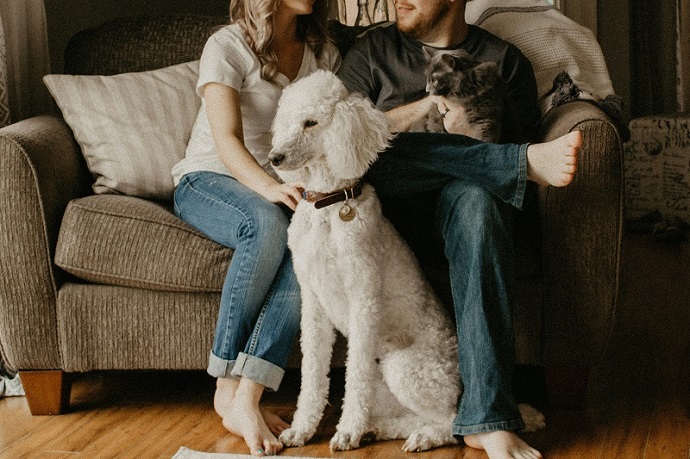
New family members change attention, space, sound, and touch. Your dog may be friendly, but they still need time to understand what the new situation means. A careful plan helps prevent jealousy, fear, guarding, and rushed introductions.
For a baby, start practicing the future routine before the due date. Walk your dog beside an empty stroller, adjust feeding and walking responsibilities, and set up baby equipment early. Let your dog sniff new items, but teach calm boundaries around the crib, changing table, and nursery. Baby gates are useful because your dog can still see and hear family activity without being too close.
Before the new arrival, prepare for these common changes:
- Shorter or less flexible walk times
- More noise during naps, feeding, and nighttime care
- New smells from diapers, lotions, bottles, and laundry
- More visitors coming in and out of the home
- Less direct attention from one favorite person
- New off-limit areas that need clear boundaries
When the baby comes home, keep the first interactions short and calm. Let your dog greet the returning parent without the baby first, especially if that person has been away. Introduce baby scent through a blanket or clothing item when possible. During early meetings, use a leash if needed, reward calm behavior, and never force your dog to approach.
With a new pet, separate feeding areas, beds, toys, and high-value chews from the start. Parallel walks can be easier than face-to-face greetings because both animals can move, sniff, and relax without pressure. For a new adult in the home, ask them to ignore a shy dog at first. Calm dogs often build trust faster when they can choose when to approach.
Watch for Stress Signals Before Problems Grow
Dogs often show discomfort before behavior becomes loud or obvious. Early signs may include lip licking, yawning when not tired, turning away, pacing, clinginess, hiding, trembling, panting, drooling, refusing food, or scanning the room.
Changes in toilet habits, sleep, appetite, and tolerance are also important. A dog that suddenly guards food, snaps at another pet, or growls when touched may be in pain, frightened, or overwhelmed. Avoid punishing growling because it gives useful information and tells you your dog needs space.
Keep a short behavior log during major transitions. Note what happened before the behavior, what the dog did, and what helped.
If stress signs last more than a few weeks, worsen, or include aggression, self-injury, repeated vomiting, refusal to eat, or escape attempts, speak with a veterinarian.
Support Your Dog Without Creating More Drama
Comforting a worried dog is not the same as spoiling them. You can offer support without turning every stressful moment into a big event. Stay calm, lower your voice, give space, and guide your dog toward something familiar.
Use food puzzles, sniffing games, licking mats, safe chews, and short training sessions to help your dog settle. Chewing, licking, sniffing, and searching can be calming because they give the dog a clear task.
Ask your veterinarian before using calming aids, especially if your dog takes medication or has health conditions.
Help the Whole Household Stay Consistent
Dogs adjust faster when the people around them follow the same plan. During a big change, your dog should not have to guess who allows couch time, who gives table scraps, or where they are supposed to rest. Mixed signals can make a stressful period more confusing, especially if new rules appear suddenly.
Write down the daily basics and keep them somewhere easy to see. This can be a note on the fridge, a shared phone note, or a simple chart near the dog’s food. Include the things that affect your dog every day:
- Meal times and portion sizes
- Walk times and bathroom breaks
- Approved treats and chew items
- Rooms or furniture that are off limits
- Safe place rules for children and visitors
- What to do when the dog hides, barks, growls, or seems overwhelmed
- Who is responsible for feeding, walks, medication, or bedtime routines
Visitors should also know the rules before they interact with your dog. Ask guests not to crowd, hug, wake, chase, or feed them without permission. Children need clear guidance too. They should not climb on the dog, take toys, approach the food bowl, or follow the dog into their safe space.
When several people care for the dog, divide tasks before the change happens. Shared care helps your dog feel secure with more than one person, which is useful when their favorite human is busy, tired, or temporarily unavailable.
Give Adjustment Enough Time
Some dogs settle after a few days. Others need weeks or months, especially seniors, puppies, rescue dogs, anxious dogs, and dogs with medical needs. Progress may not look smooth because a dog can improve for several days, then regress after a noisy visit, missed walk, or bad night of sleep.
Look for small signs of comfort. Your dog may nap more deeply, eat normally, explore without clinging, choose their bed on their own, or recover faster after a loud sound.
Your job is not to erase every sign of stress. Your job is to reduce avoidable pressure, keep your dog safe, and teach them what life looks like now.



-
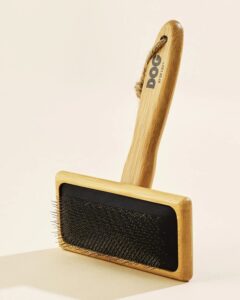
 DOG By Dr Lisa Dog Brush
lovely everyday brush for dog parents who want something gentle and easy to use.

-
DOG By Dr Lisa Dog Brush
lovely everyday brush for dog parents who want something gentle and easy to use.