
9 Ways to Prevent Aggression in Dogs Before It Becomes Dangerous
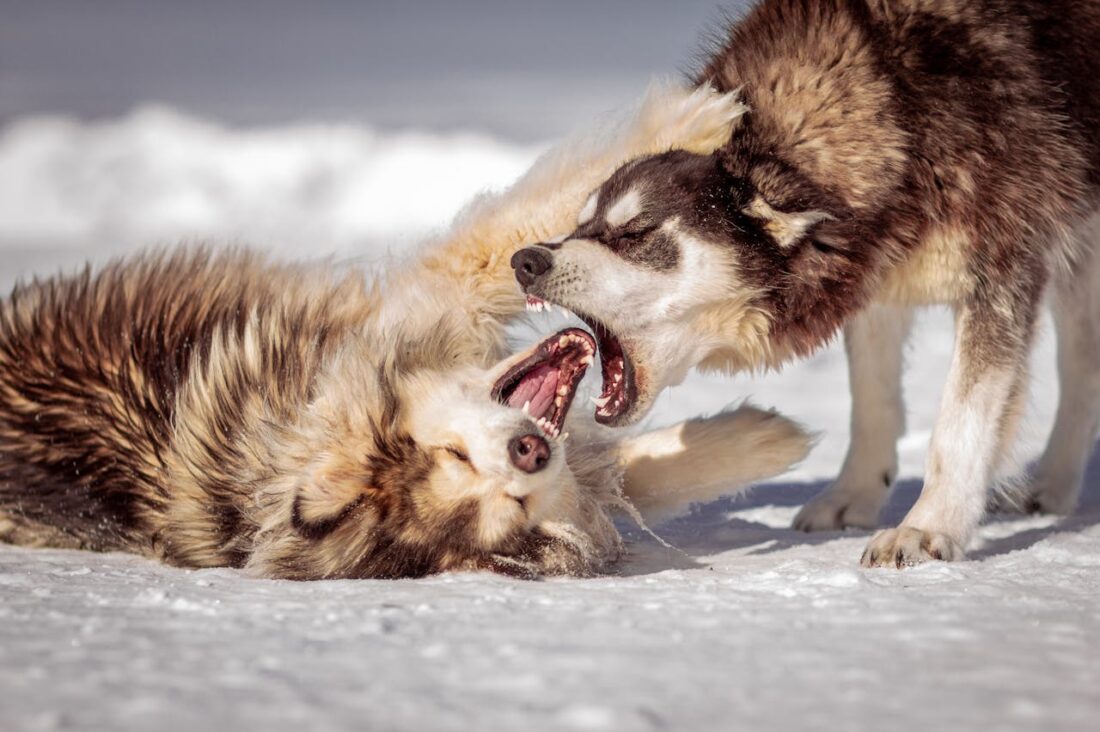
Your dog might be the cuddliest creature you know. It’s all happy little spins. Or afternoons curled up beside you. Then one day, they growl at a stranger.
You realize then that they can get a little aggressive. It’s confusing. You know your dog is loving. Why the sudden edge?
Maybe you have a puppy with a bad habit of jumping and biting. It might seem like playful energy right now. Still, those habits can build over time.

Dogs carry what they practice. If no one guides them, things can spiral out of control. They could be dangerous around others.
You don’t want that to be part of your dog’s life. So, nip it in the bud. Here are nine ways to prevent aggression before it becomes dangerous.
1. Learn Your Dog’s Triggers
Aggression doesn’t appear out of thin air. There’s almost always a reason behind it. A scary sound. A suspicious stranger.
A hand reaching too fast. Some dogs also react strongly when they feel something is being taken from them. This is called resource guarding. It can show up when a dog stiffens over their food bowl. Or when they snap if someone touches their toy.
It may look sudden. But your dog is really saying, “I’m not comfortable.”
Notice when your dog’s body changes. Do they freeze? Do their ears pull back? These are clues. Once you know the trigger, you can step in early.
Redirect their focus. If your dog guards food, try hand-feeding. That slowly builds trust. If they react to strangers, keep a distance from them.
Over time, your dog learns that these moments are safe. That shift lowers tension. It keeps aggression from building.
2. Train Basic Commands
Teaching your dog basic commands can give them direction in tense moments. Simple cues like “sit” can interrupt a reaction before it gets aggressive. It gives you a way to guide them.
Keep training short and positive. Practice “sit” before meals. Use “stay” when opening the door. Teach “leave it” when they fixate on something they shouldn’t. Repeat often.
These commands become second nature over time. And when your dog feels unsure, they turn to you instead of acting out. That sense of guidance brings calm into unpredictable situations.
3. Use Positive Reinforcement Training
Dogs remember what works for them. If they’re rewarded for certain behaviors, they’ll repeat them. That’s why positive reinforcement matters.
Instead of correcting harshly, you focus on showing your dog what you want. Then you reward it. This builds trust. It also lowers fear, which is often the root of aggression.
Keep treats with you. Notice calm behavior and mark it right away. If your dog stays relaxed when someone walks by, reward that moment. Give them the treat. If they choose to walk away rather than react, praise them.
Timing matters. The closer the reward is to the behavior, the clearer the lesson.
Over time, your dog starts choosing calm responses on their own. Not because they’re scared of punishment. But because they know it’s the right thing to do.
4. Make Sure They Exercise
Energy needs an outlet. When dogs don’t get enough movement, that energy builds up. It turns into frustration.
Then it spills out in ways that aren’t so cute. They pace. They jump. They snap during play. So, don’t skip dog walks. That can slowly affect their mood. It limits their world. It takes away stimulation. And yes, it can make them more reactive.
Make movement part of your routine. Daily walks help your dog explore. Let them sniff. Let them take their time.
Add play sessions, like a quick game of “fetch,” too. A dog that gets enough activity feels more settled. That calm carries into how they respond to people.
5. Teach Them to Socialize
Dogs don’t how to behave around others the second they’re born. They learn it. And they need gentle exposure to build confidence. A dog that never meets new people or pets may feel unsure. That uncertainty can turn into fear. Then fear manifests through aggression.
Start small. Introduce your dog to calm, friendly people. Keep first meetings short. Let your dog approach at their own pace. No pressure. No crowding. If they stay relaxed, reward them.
Then, slowly expand their circle. Try different environments once they feel ready. Bring them to a dog park.
Let them play with dogs their size. With time, your dog learns that new experiences around others are safe. They’ll be more steady around others. Not reactive.
6. Supervise Interactions with Kids
There’s something special about dogs and kids growing up together. The bond can be so sweet. But both are still learning. Kids move fast. They grab. They squeal. Dogs can feel overwhelmed by that energy. Even if they love the child.
Stay close during every interaction. Teach children to be gentle. Show them how to pet slowly. No pulling tails. No climbing on the dog. Watch your dog’s signals too. If they look tense, step in right away.
Give them space. These moments teach both sides how to respect each other. Your dog becomes more comfy around kids. That lowers the chance of defensive reactions.
7. Don’t Force Uncomfortable Situations
Dogs react when in uncomfortable situations. It could be busy gatherings with loud voices. Or tight hugs from strangers.
Sometimes, you just want your dog to “get used to it.” So, you allow these situations, hoping it will click. But when a dog feels cornered, stress rises. That stress can turn into aggression.
Instead, let your dog set the pace. If they seem unsure, pause. Give them distance. Let them observe from afar.
If your dog fears strangers, don’t let people rush in to pet them. Instead, allow quiet presence first. Over time, your dog will relax.
They’ll learn that they have space and choice. That sense of control keeps them from reacting out of fear.
8. Neuter When Appropriate
For male dogs, hormones play a bigger role in certain behaviors. You might notice more barking. More tension around other male dogs. They might get into fights more.
Neutering helps take the edge off these patterns. It lowers hormone-driven impulses that can feed into aggression. Talk to your vet about your options.
This isn’t a stand-alone fix, though. Pair it with training. Keep reinforcing calm behavior. Give your dog clear guidance at home and outside.
When done thoughtfully, neutering can support a more even temperament. It helps your dog stay calm in situations that used to be emotionally charged.
9. Take Early Signs of Aggression Seriously
A growl isn’t bad behavior. It’s communication. It means your dog’s uncomfortable. The same goes for stiff posture. Or a hard stare. These early signs matter. Ignoring them teaches your dog that subtle signals do not work.
Then, they may jump straight to stronger reactions next time, like chasing others. Or worse, biting.
Step in as soon as you notice these cues. Remove your dog from the situation. If needed, bring in a trainer. Don’t brush it off. When aggression builds over time, the risks grow.
In the most severe cases, situations can escalate far beyond what anyone expects. Some even lead to legal consequences like wrongful death claims after a fatal dog attack. You don’t want that on your dog.
They don’t mean to hurt anyone. They just get overwhelmed. Guiding them early helps keep others safe. It protects your dog’s gentle side, too.
Conclusion
Raising a calm, friendly dog comes from the choices you make each day. So, guide how they meet new people. Step in when play gets too rough. Give them space when they’re unsure. Those moments add up. Your dog starts to feel safe. And a safe dog reacts calmly. Not with fear. Not with aggression.
Keep showing them what good behavior looks like. Reward it. Repeat it. Be patient on the messy days. Progress might feel slow.
But it’ll click. One day, you’ll notice how gently they greet a guest. Or how they walk past another dog without a fuss.
You’ll see other people relax around them, too. They’ll love your fur baby the way you do. All that training will have been worth it.


-
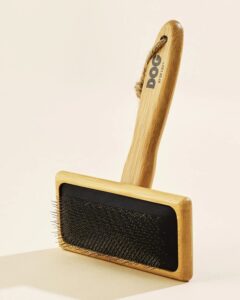
 DOG By Dr Lisa Dog Brush
lovely everyday brush for dog parents who want something gentle and easy to use.

-
DOG By Dr Lisa Dog Brush
lovely everyday brush for dog parents who want something gentle and easy to use.