
Key Features To Look For In Wireless Dog Fencing Systems
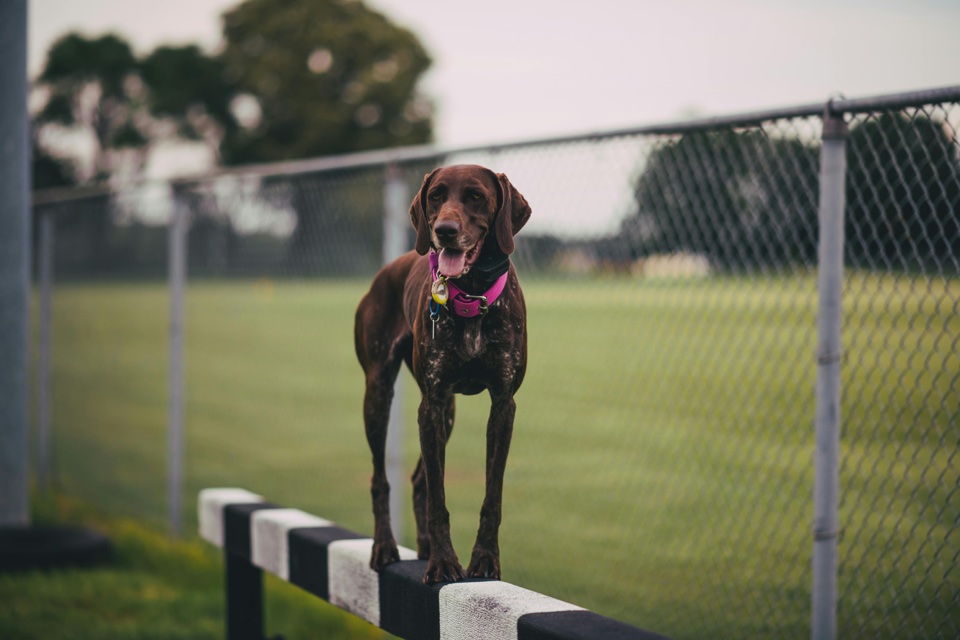
High-energy dogs test limits fast. One sudden sprint can turn a calm afternoon into a stressful one. Many owners want open yards without constant worry. Wireless fencing systems promise structure without walls. This article breaks down the features that matter most. It explains how the right setup protects active dogs while keeping daily routines simple and outdoor spaces usable.
Choosing the right setup starts with understanding key features. Wireless dog fencing varies by range, training support, and signal reliability. Knowing what to look for helps avoid stress later. The sections ahead cover boundary accuracy, collar design, setup ease, safety cues, and long-term performance needs.
Boundary Accuracy And Coverage Control
Boundary accuracy defines how clearly a system communicates limits. Precise signals help dogs recognize edges before excitement takes over. Adjustable range matters for yards with curves or obstacles. Reliable coverage prevents weak spots near driveways or corners. Look for systems that allow fine-tuning.

This control supports consistent training. Clear boundaries reduce confusion and quick dashes. Dogs respond faster when limits stay predictable across the entire space. Owners notice fewer corrections and more relaxed play once boundaries remain consistent across seasons. That steadiness supports daily routines and shared outdoor activities.
Wireless Dog Collar Comfort And Signal Feedback
Collar design affects daily wear and response quality. Lightweight collars reduce irritation during long play periods. Clear feedback cues help dogs learn faster. Sound or vibration warnings should feel consistent. Comfort keeps attention on training instead of discomfort. Durable construction prevents failure during active movement.
Key collar features to review include:
A balanced collar supports calm learning without distraction. This stability matters during daily exercise and family routines.
Training Modes And Learning Support for Wireless Dog Fences
Training modes shape how quickly dogs understand limits. Multiple levels allow gradual progress without pressure. Systems that combine tone, vibration, and correction offer clarity. A thoughtful approach supports confident learning. A common training flow looks like this:
Many owners choose wireless dog fencing for this structured approach. Predictable steps help energetic dogs focus and succeed. Clear pacing reduces anxiety for dogs and handlers alike.
Wireless Fence Set Up Ease And Daily Adjustments
Set-up ease determines how quickly a system becomes useful. Simple layouts reduce frustration during installation. Clear instructions support accurate placement. Small adjustments matter as routines change. Yard shapes, driveways, and gardens require flexibility.
What to check during setup:
Easy adjustments support long-term use. Owners adapt spaces without starting from scratch. A clear setup saves time and keeps training consistent day to day. That consistency supports confident outdoor routines for active dogs.
Safety Features And Reliability Standards of Wireless Dog Fences
Safety features protect dogs during everyday use. Reliable systems include fail alerts and signal checks. Consistent performance matters during storms or power changes. Backup options reduce surprise gaps.
Important wireless dog fence safety features include:
These elements protect dogs without constant monitoring. Reliable performance builds trust and keeps energetic pets within safe limits during play. Owners gain confidence when systems perform as expected daily. That reliability supports calmer routines across shared outdoor spaces everywhere.
Choosing the right wireless fence depends on features that match your dog and yard. Boundary accuracy, collar comfort, training modes, setup ease, and safety standards all shape daily success. The right system supports freedom without stress. Energetic dogs gain structure they understand. Owners gain peace of mind. Thoughtful feature selection creates a calm balance where play stays fun, limits stay clear, and outdoor time feels safe for everyone. This balance strengthens routines and supports confident ownership long-term for families.





-
 DOG By Dr Lisa Dog Brush
lovely everyday brush for dog parents who want something gentle and easy to use.


-
DOG By Dr Lisa Dog Brush
lovely everyday brush for dog parents who want something gentle and easy to use.