
Cobbing in Dogs: Why Dogs Nibble With Their Front Teeth
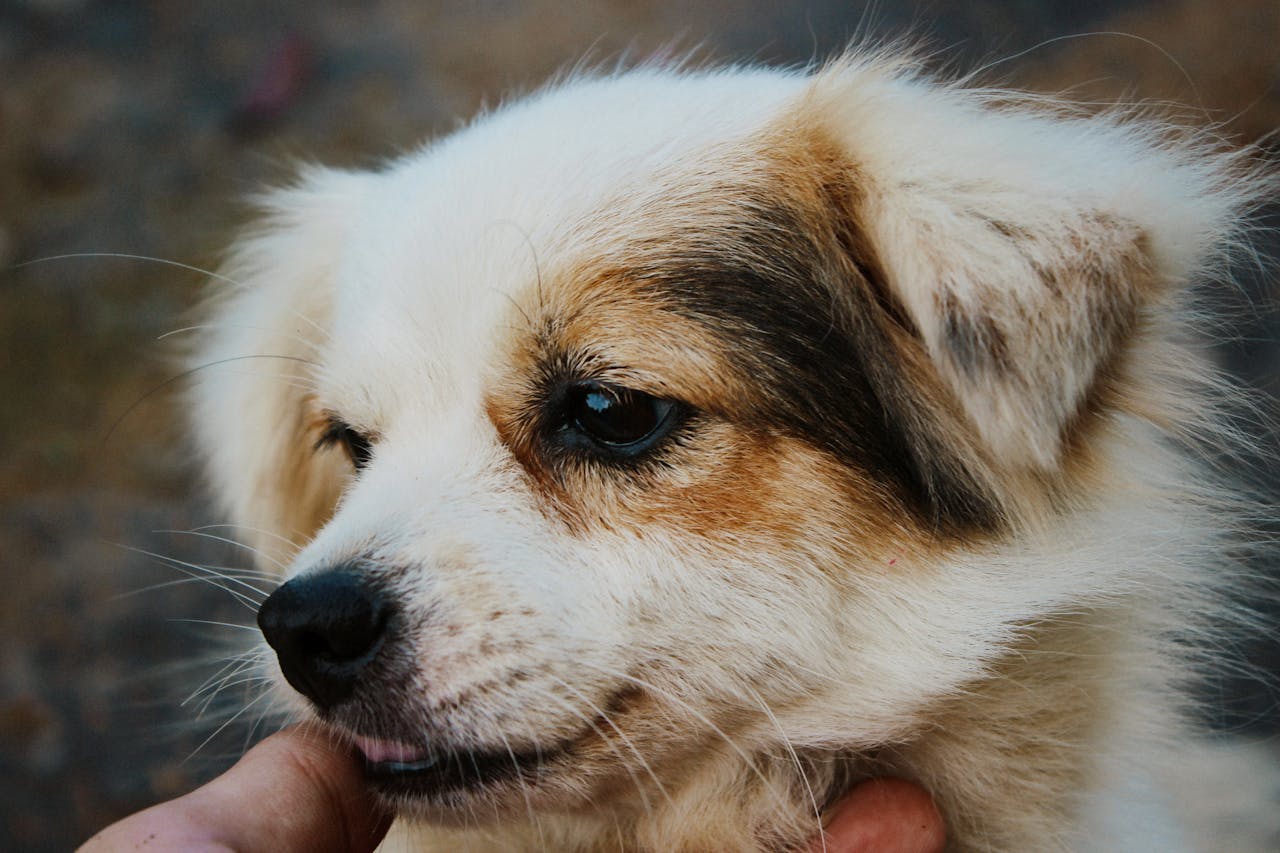
That odd little nibble has a name, and dogs do it for more than one reason.
Photography: Son Pham
If your dog has ever gently nibbled your sleeve, blanket, hand, or another pet with their tiny front teeth, you have probably seen cobbing in action. It can look a little funny, like your dog is trying to eat corn on the cob (which is exactly where the nickname comes from.)
Most of the time, cobbing in dogs is normal. It is often gentle, affectionate, playful, or soothing. Still, like most dog behaviors, the meaning depends on the moment. A relaxed dog lightly nibbling a blanket is very different from a dog obsessively chewing their skin because something feels itchy or painful.
Here is what cobbing means, why dogs do it, and when it may be worth calling your vet.

What Is Cobbing in Dogs?
Cobbing is a gentle nibbling motion dogs make with their front teeth. Instead of using their whole mouth to chew, they use the small teeth at the front of their mouth in quick little bites.
Dogs may cob on:
It is usually soft and controlled. Many dog parents describe it as tiny, tickly nibbles rather than real biting.
Why Do Dogs Cob?
Dogs cob for several reasons. Some are sweet, some are playful, and some are their way of saying something feels off.
Affection
Many dogs cob as a sign of affection. If your dog gently nibbles you while relaxed, wagging, or leaning into you, it may be their version of grooming or bonding.
This can feel especially personal when your dog does it during cuddle time. Very strange? Yes. Kind of adorable? Also yes.
Grooming Behavior
Dogs may use cobbing as a grooming habit. You might see one dog nibble gently at another dog’s fur, especially around the neck, ears, or shoulders.
This can be a social behavior that helps dogs bond. Some dogs also try to “groom” their humans this way, even if we did not exactly request the spa treatment.
Playfulness
Puppies and playful adult dogs may cob during games. They might nibble a toy, blanket, or your sleeve when they are excited but not trying to bite hard.
This is usually normal as long as the dog stays gentle and can stop when asked.
Comfort or Self-Soothing
Some dogs cob blankets, beds, or soft toys when they are settling down. It can be a calming habit, similar to kneading, licking, or carrying a favorite toy.
If your dog does this before napping, it may simply be part of their bedtime routine.
Teething in Puppies
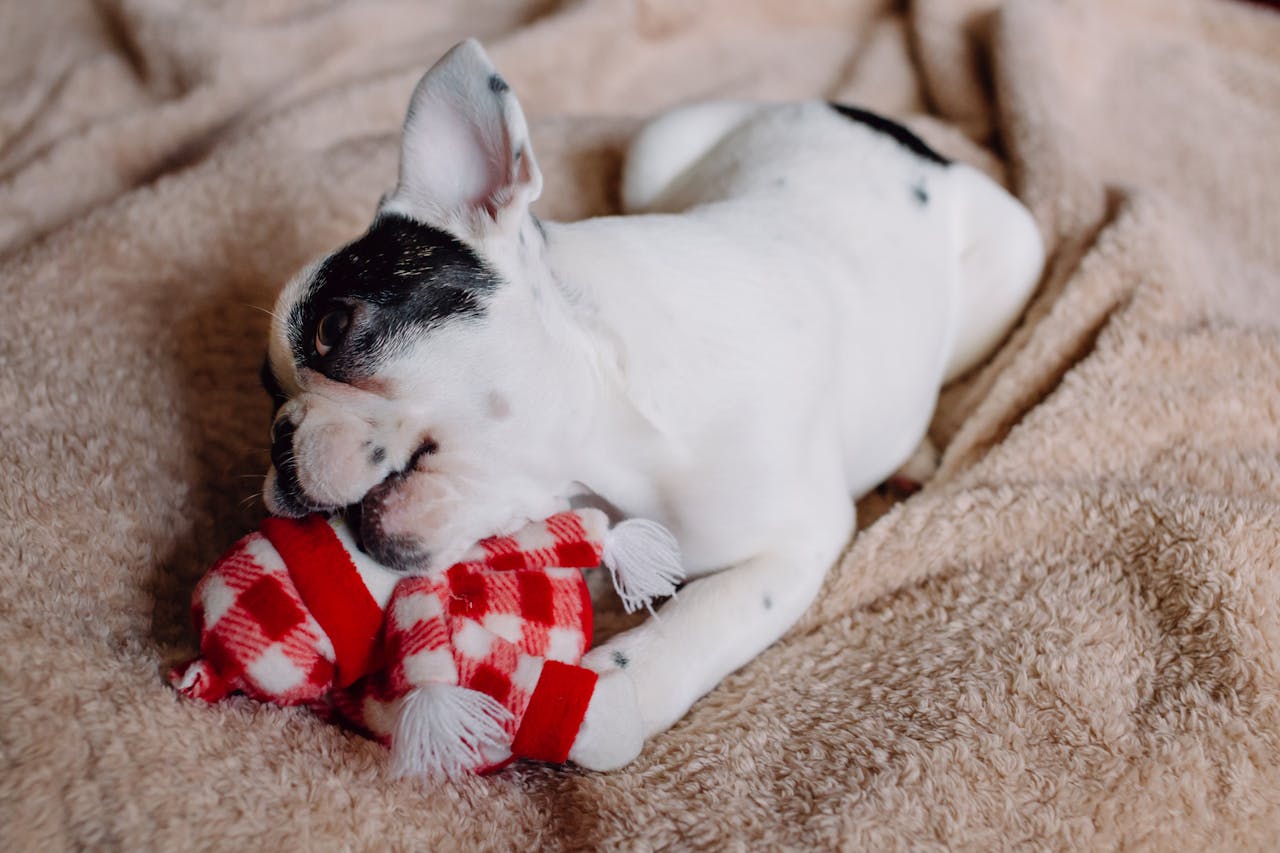
Photo by freestocks.org
Puppies explore the world with their mouths, and cobbing can happen while they are teething. Their gums may feel sore, and gentle nibbling gives them something to do.
Offer puppy-safe chew toys and redirect them if they start nibbling on hands, clothes, furniture, or anything expensive enough to make you gasp.
Itching or Skin Irritation
If your dog is cobbing their own body, especially one spot over and over, it may mean they are itchy or uncomfortable.
Common causes include:
This kind of cobbing is less about affection and more about “something is bothering me.”
Anxiety or Stress
Some dogs cob when they are nervous or overstimulated. They may nibble a blanket, toy, or themselves as a way to cope.
This may happen during storms, visitors, schedule changes, car rides, or when they are left alone.
Is Cobbing in Dogs Normal?
Yes, cobbing is often normal, especially when it is gentle, occasional, and happens during calm or happy moments.
Normal cobbing usually looks like:
- Gentle front-tooth nibbling
- Relaxed body language
- Loose tail or soft eyes
- No pain or skin damage
- Easy redirection
- Happens during cuddling, grooming, play, or rest
If your dog cobs your blanket while curling up beside you, there is probably no reason to worry.
When Cobbing May Be a Problem
Cobbing can become a concern if it is intense, constant, or focused on the dog’s own body.
Call your vet if you notice:
- Red or irritated skin
- Hair loss
- Bleeding
- Scabs
- Bad odor from the skin or ears
- Swelling
- Constant paw nibbling
- Limping
- Signs of pain
- Sudden behavior changes
- Cobbing that seems obsessive
A dog who keeps nibbling their paws, belly, tail, or sides may be dealing with allergies, fleas, infection, pain, or another health issue.
Why Do Dogs Cob Their Owner?
If your dog gently cobs your hand, arm, or clothing, they may be showing affection, asking for attention, or trying to groom you.
Look at the rest of their body language. A happy dog may have:
- Soft eyes
- Relaxed ears
- Loose body posture
- Gentle tail movement
- Calm breathing
- No growling or stiffness
If the cobbing hurts, becomes pushy, or turns into mouthing, redirect your dog to a toy. You can still accept the love without becoming the chew toy.
Why Do Dogs Cob Blankets?
Blanket cobbing is usually a comfort behavior. Many dogs nibble blankets when they are tired, relaxed, or getting ready to sleep.
Some dogs also do it because the texture feels good. Soft, fuzzy blankets seem to bring out the tiny corn-on-the-cob routine in plenty of pups.
As long as your dog is not eating pieces of fabric, this behavior is usually harmless.
Why Do Dogs Cob Other Dogs?
Dogs may cob other dogs as a form of social grooming or bonding. If both dogs are relaxed and comfortable, it can be a normal behavior.
Watch the other dog’s reaction. If the other dog moves away, stiffens, growls, snaps, or looks uncomfortable, it is time to interrupt gently and give them space.
Cobbing should feel like polite grooming, not one dog bothering another who clearly wants a break.
Why Do Dog Cob Their Paws?
Paw cobbing can be more concerning. Dogs often nibble their paws when something feels itchy, sore, or irritated.
Possible reasons include:
- Allergies
- Yeast or bacterial infection
- Fleas
- Dry skin
- Grass irritation
- A small cut
- A thorn or foreign object
- Nail or paw pad pain
If your dog keeps cobbing or licking their paws, check for redness, swelling, odor, or tenderness. If it continues, call your vet.
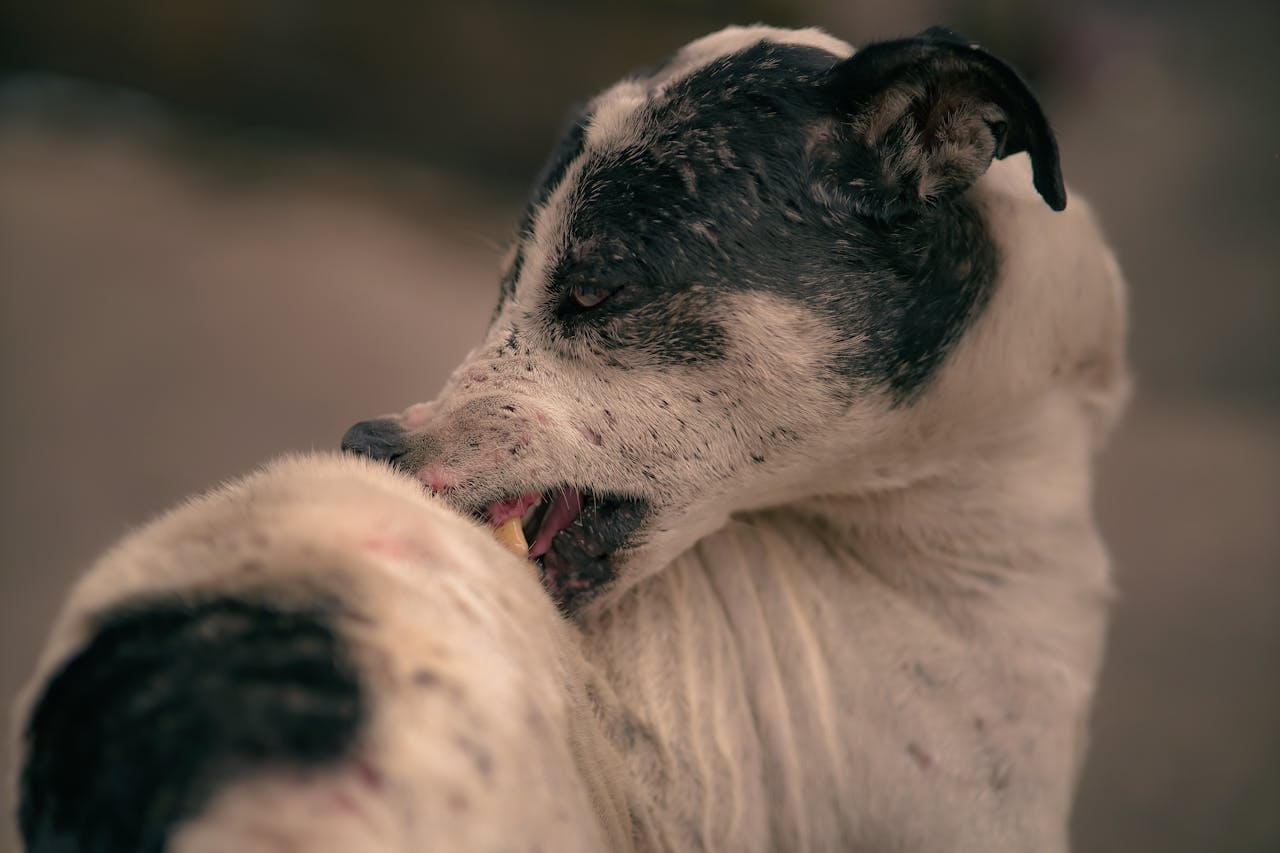
Photo by Next image Capture
Should You Stop Your Dog From Cobbing?
You do not always need to stop cobbing. If it is gentle, occasional, and not causing harm, it can simply be one of your dog’s little habits.
You should redirect cobbing if:
- It hurts you
- Your dog is chewing clothing
- They are damaging blankets or toys
- Another pet looks uncomfortable
- Your dog is nibbling their skin raw
- It becomes constant or hard to interrupt
A simple redirect can help. Offer a chew toy, ask for a known cue like “sit,” or move your dog to a calming activity.
How to Redirect Cobbing
If cobbing is becoming annoying or too rough, keep the response calm. Big reactions may turn it into a game.
Try:
- Offering a chew toy
- Giving your dog a frozen lick mat
- Redirecting to a stuffed toy
- Asking for a simple cue
- Rewarding calm behavior
- Ending play if nibbling gets too hard
- Giving them a cozy blanket they are allowed to nibble
For puppies, consistency matters. If tiny puppy teeth are allowed on hands sometimes but not other times, they will absolutely file that under “rules unclear, continue nibbling.”
How to Tell Affectionate Cobbing From Problem Cobbing
A little context goes a long way.
Affectionate cobbing is usually gentle, relaxed, and easy to stop. Your dog may do it during cuddles, grooming, or quiet bonding.
Problem cobbing often looks more intense. Your dog may focus on one spot, seem unable to stop, or leave the skin red and irritated.
A good rule: if cobbing is soft and social, it is probably normal. If it is repetitive, frantic, painful, or causing damage, look deeper.
FAQ
Is dog cobbing a sign of love?
It can be. Many dogs gently cob their owners as a bonding or grooming behavior. If your dog is relaxed and gentle, it may be their quirky way of showing affection.
Why does my dog nibble me with his front teeth?
Your dog may be grooming you, asking for attention, playing, or showing affection. If it hurts or becomes too pushy, redirect them to a toy.
Why does my dog cob blankets before sleeping?
Many dogs cob blankets as a self-soothing habit. It may help them relax before settling down for a nap.
Is cobbing the same as biting?
No. Cobbing is usually gentle front-tooth nibbling, while biting is harder and may involve the whole mouth. If your dog’s nibbling hurts, it should be redirected.
Why does my dog cob his paws?
Paw cobbing may mean your dog is itchy, irritated, or uncomfortable. Allergies, skin infections, fleas, or paw injuries can all cause this. If it continues, contact your vet.
Should I worry about cobbing?
Occasional gentle cobbing is usually not a problem. Worry if your dog is cobbing constantly, hurting themselves, damaging skin, or showing signs of pain or irritation.
Final Thoughts
Cobbing in dogs is usually one of those funny little behaviors that makes living with dogs so sweet. It can mean affection, comfort, grooming, or play – basically, your dog being their weird and lovable self.
But if your dog is cobbing their paws, skin, or one area over and over, do not ignore it. That may be their way of saying they feel itchy, sore, or uncomfortable.
Soft little nibbles during cuddle time? Probably normal. Obsessive nibbling with red skin? Time to check in with your vet.
Pretty Fluffy is the ultimate lifestyle destination for dog lovers. Discover the best designer dog brands and emerging small pet businesses, the latest dog accessories, healthy dog treat recipes, dog training tips and more. Thank you for being part of our dog-loving community!
Fluffy Editorial is our in-house team of writers and dog nerds. We research every topic carefully, talk to professionals when needed, and focus on sharing honest advice we’d follow with our own dogs.
Photography: Son Pham


-
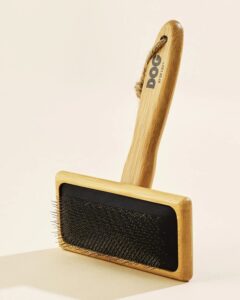
 DOG By Dr Lisa Dog Brush
lovely everyday brush for dog parents who want something gentle and easy to use.

-
DOG By Dr Lisa Dog Brush
lovely everyday brush for dog parents who want something gentle and easy to use.