
Fluffy Frenchie Breed: Everything About the Long-Haired French Bulldog
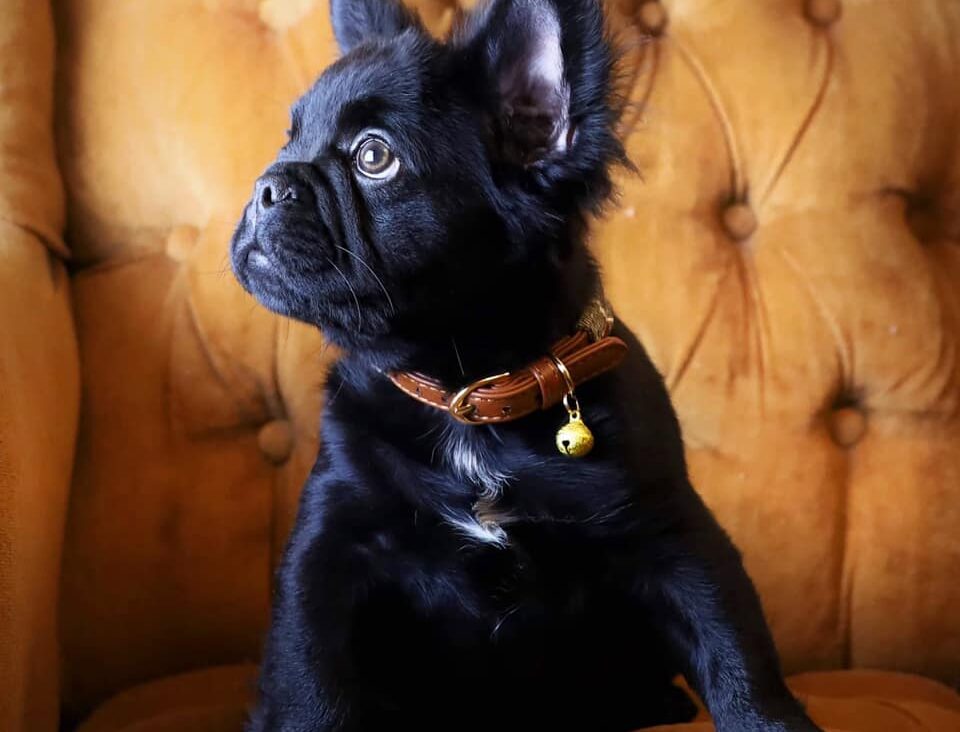
Photography: Kristen Amber Jones and Paul Jones
A fluffy Frenchie, also known as a long-haired French Bulldog, is one of the most eye-catching versions of the French Bulldog breed. With their soft coat, bat ears, compact body, and funny little personality, fluffy Frenchies look almost like living stuffed animals.
But behind the cute look, this breed needs careful attention. Fluffy Frenchies are still French Bulldogs, which means they can be prone to breathing issues, heat sensitivity, skin problems, and high vet costs. Before bringing one home, it is important to understand their care needs, personality, health risks, grooming routine, and what to look for in a breeder.
This guide explains everything you should know about the fluffy Frenchie breed before deciding whether this long-haired French Bulldog is right for your home.

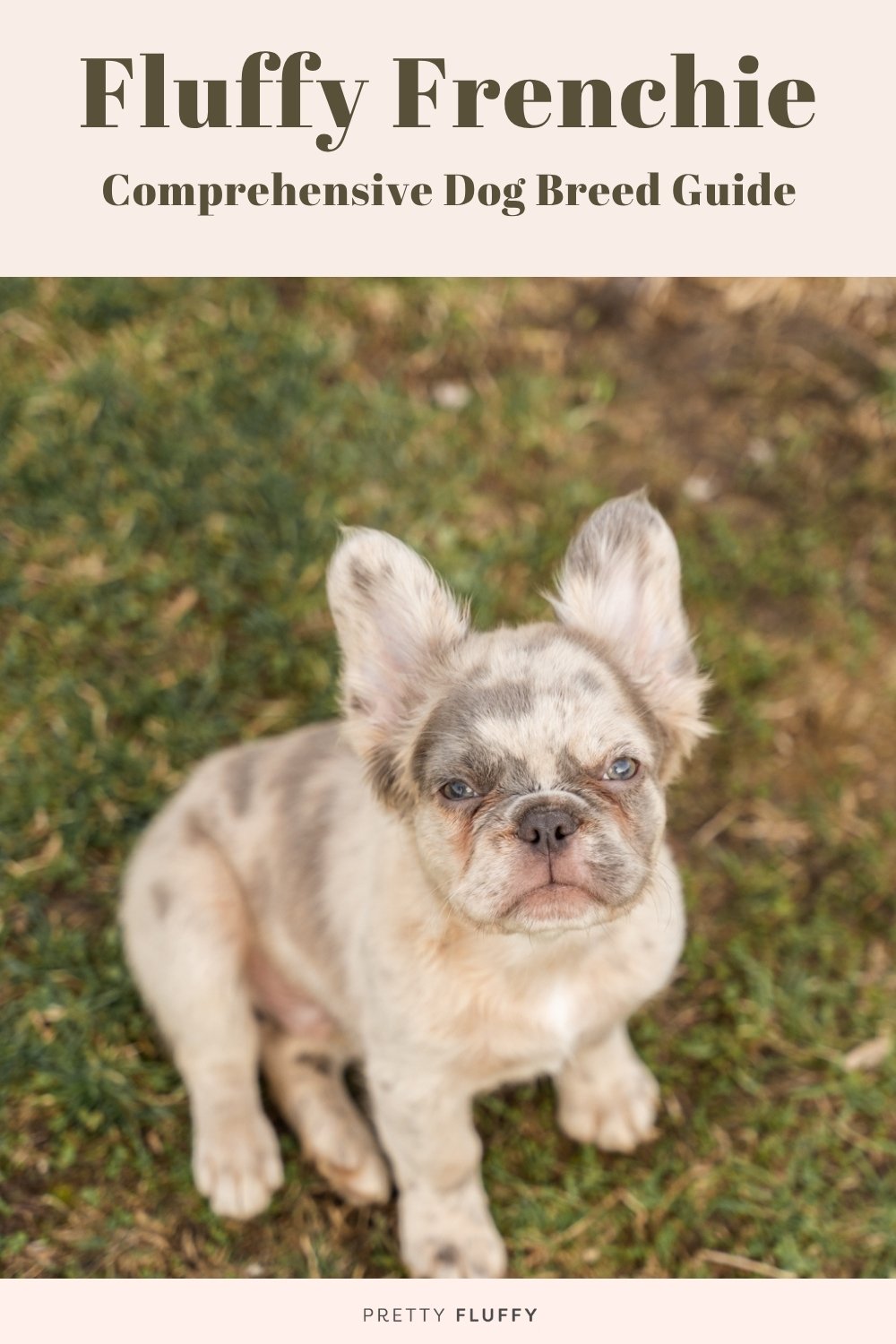
Photo: My Pawsome Frenchie
What Is a Fluffy Frenchie?
A fluffy Frenchie is a French Bulldog with a longer, softer coat than the standard short-haired French Bulldog. The fluffy coat comes from a recessive long-hair gene, meaning a puppy must inherit the gene from both parents to have long hair.
Fluffy Frenchies usually have the same general body shape as standard French Bulldogs: short muzzle, broad head, bat-like ears, muscular body, and short legs. The main difference is the coat.
Is a Fluffy Frenchie a Purebred French Bulldog?
Some fluffy Frenchies can be purebred French Bulldogs if they come from registered French Bulldog parents that both carry the long-hair gene. However, the long-haired coat is not part of the official French Bulldog show standard.
Why Are Fluffy Frenchies So Popular?
Fluffy Frenchies are popular because they combine the famous French Bulldog personality with a soft, plush-looking coat. Their teddy-bear appearance makes them stand out online and in person.
Fluffy Frenchie Appearance
The fluffy French Bulldog has a compact, muscular body with a soft, longer coat. Most have the classic Frenchie look, but their coat gives them a rounder, softer appearance.
Fluffy Frenchie Size
Fluffy Frenchies are small dogs. Most weigh under 28 pounds, though individual size depends on genetics, diet, and health.
Typical features include:
- Compact body
- Broad chest
- Short legs
- Large bat ears
- Short muzzle
- Rounded head
- Soft, longer coat
Fluffy Frenchie Coat
The fluffy coat can vary from slightly longer than normal to noticeably soft and feathered. Many fluffy Frenchies have longer hair around the ears, chest, neck, legs, and tail area.
Their coat usually does not grow as long as breeds like Shih Tzus or Pomeranians, but it does need more care than a standard French Bulldog coat.
Fluffy Frenchie Colors
Fluffy Frenchies can come in many colors and patterns, including cream, fawn, brindle, pied, merle, blue, lilac, chocolate, and tan-point combinations.
Some colors are marketed as “rare” or “exotic.” Be careful with breeders who focus mainly on color. Coat color does not tell you whether a fluffy Frenchie is healthy.
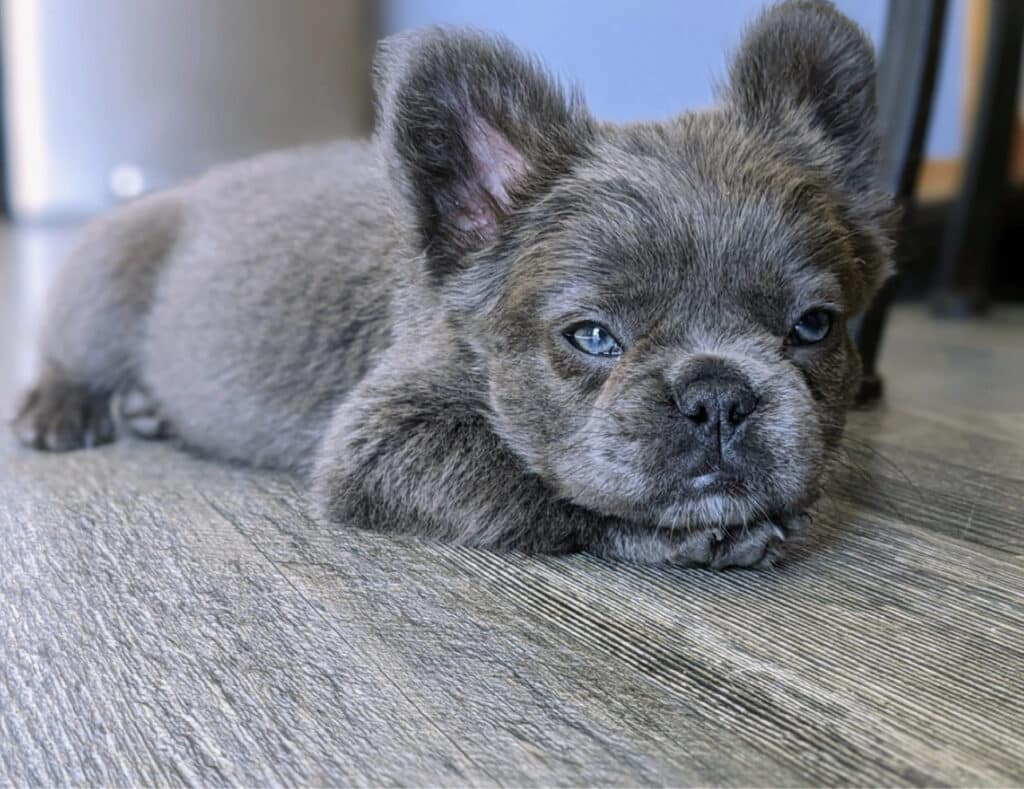
Photo: Frenchie FAQ
Fluffy Frenchie Temperament
The fluffy Frenchie temperament is one of the biggest reasons people love the breed. These dogs are usually affectionate, playful, social, and full of personality.
They often act like tiny comedians with big feelings. They enjoy being close to their people and may follow family members from room to room.
Are Fluffy Frenchies Affectionate?
Yes, fluffy Frenchies are usually very affectionate. Many love cuddling, sitting beside their owners, and being included in daily life.
They are companion dogs, so they do best in homes where they get plenty of attention. A fluffy Frenchie may not enjoy being left alone for long periods every day.
Are Fluffy Frenchies Good With Children?
Fluffy Frenchies can be good family dogs when children are taught how to treat them gently. Because Frenchies are small and can have breathing or spine concerns, rough play should be avoided.
Children should not:
- Pick them up without help
- Let them jump from furniture
- Pull their ears or tail
- Chase them when they want space
- Play too roughly
With calm handling and supervision, many fluffy Frenchies become loving family companions.
Are Fluffy Frenchies Good With Other Pets?
Many fluffy Frenchies get along with other dogs and even cats, especially when introduced properly. Some can be a little bossy, so early socialization helps.
A slow, calm introduction is better than throwing pets together and hoping for the best.
Fluffy Frenchie Exercise Needs
Fluffy Frenchies have low to moderate exercise needs. They enjoy playtime and short walks, but they are not built for intense physical activity.
Because they are flat-faced dogs, they can struggle with breathing, especially during heat, humidity, stress, or overexertion.
How Much Exercise Does a Fluffy Frenchie Need?
Most fluffy Frenchies do well with:
- Two or three short walks per day
- Indoor play sessions
- Puzzle toys
- Gentle training games
- Sniffing time outside
- Calm social time
They do not need long runs or hard workouts. In fact, intense exercise can be dangerous for French Bulldogs.
Exercise to Avoid With Fluffy Frenchies
Avoid activities such as:
- Jogging
- Long hikes
- Midday summer walks
- Rough dog-park play
- Forced running
- Long outdoor sessions in warm weather
A fluffy Frenchie should always be allowed to rest when tired.
Heat Safety for Fluffy Frenchies
Heat safety is one of the most important parts of fluffy Frenchie care. Their short muzzle makes cooling down harder, and their longer coat may add to heat discomfort.
Watch for signs of overheating:
- Heavy panting
- Loud breathing
- Drooling
- Weakness
- Wobbling
- Vomiting foam
- Refusing to walk
- Collapse
Overheating can become an emergency. Fluffy Frenchies should live in a climate-controlled home and should never be left in a car.
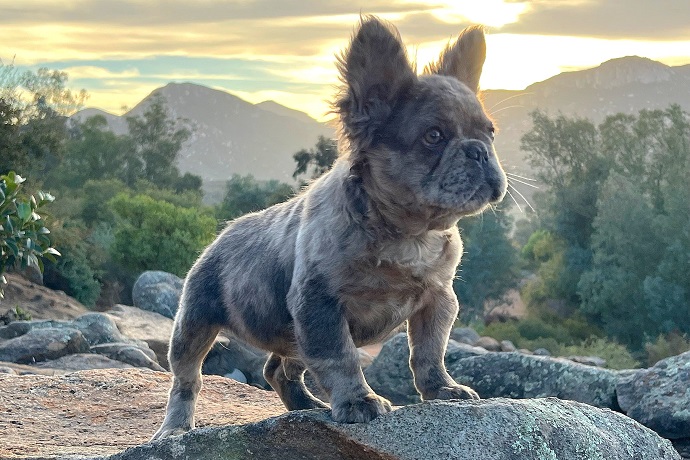
Photo: San Diego Bullies
Fluffy Frenchie Grooming Guide
The fluffy Frenchie coat needs regular brushing, skin care, ear care, nail trimming, and dental care. They are not the hardest dogs to groom, but they do need more coat maintenance than standard French Bulldogs.
How Often Should You Brush a Fluffy Frenchie?
Brush a fluffy Frenchie two to four times per week. This helps remove loose hair, prevent tangles, and keep the coat clean.
Pay close attention to:
- Behind the ears
- Chest
- Armpits
- Belly
- Back legs
- Tail area
These areas can mat or collect dirt.
Bathing a Fluffy Frenchie
Most fluffy Frenchies need a bath every four to eight weeks, depending on skin health, allergies, and lifestyle.
Use a gentle dog shampoo. Avoid harsh products, human shampoo, or heavy fragrances. After bathing, dry the coat and skin folds carefully.
Cleaning Fluffy Frenchie Face Folds
French Bulldogs often have facial folds that trap moisture, dirt, and bacteria. These folds should be cleaned and dried regularly.
A dirty or damp fold can lead to:
- Odor
- Redness
- Yeast buildup
- Irritation
- Infection
Use a vet-approved wipe or soft damp cloth, then dry the area well.
Fluffy Frenchie Ear Care
Fluffy Frenchies usually have large upright ears. Check ears weekly for redness, odor, dark wax, or scratching.
Do not push cotton swabs deep into the ear canal. If your dog shakes their head often or seems uncomfortable, ask your vet to check for infection or allergies.
Fluffy Frenchie Dental Care
Dental care is often overlooked, but it matters. French Bulldogs can have crowded teeth because of their short jaws.
Daily brushing is best. Dental chews and vet dental cleanings may also be needed.
Fluffy Frenchie Health Problems
Health is the most serious topic for anyone considering a fluffy French Bulldog. The fluffy coat itself is not usually the main concern. The bigger issue is that fluffy Frenchies are still French Bulldogs, and French Bulldogs are prone to several health conditions.
Breathing Problems in Fluffy Frenchies
French Bulldogs are brachycephalic dogs, meaning they have short, flat-faced skulls. This can lead to breathing problems, especially a condition called brachycephalic obstructive airway syndrome, often called BOAS.
Signs of breathing trouble can include:
- Loud breathing
- Snoring
- Gagging
- Exercise intolerance
- Trouble cooling down
- Restless sleep
- Collapse in severe cases
Not every fluffy Frenchie has the same level of breathing difficulty, but you should take this risk seriously if you’re going to bring one home.
Fluffy Frenchie Heat Intolerance
French Bulldogs are highly sensitive to heat. A fluffy Frenchie should not be expected to spend long periods outside in warm weather.
Hot weather, humidity, stress, and exercise can all increase risk.
Spine and Back Problems
French Bulldogs can be prone to spinal problems, including intervertebral disc disease. Their compact bodies and short legs can place strain on the back.
To reduce risk:
- Use ramps for furniture
- Avoid repeated jumping
- Keep your dog lean
- Use a harness instead of neck pressure
- Prevent rough play
Fluffy Frenchie Skin Allergies
Skin allergies are common in French Bulldogs. A fluffy Frenchie may show allergy symptoms through:
- Paw licking
- Ear infections
- Belly rashes
- Red skin
- Scratching
- Hot spots
- Hair loss
Allergies may be related to food, pollen, dust, fleas, or environmental triggers.
Eye Problems in Fluffy Frenchies
Frenchies have prominent eyes, which can make them more vulnerable to scratches, ulcers, cherry eye, and irritation.
Redness, squinting, discharge, or pawing at the eye should be checked quickly.
Weight Problems
Extra weight can make breathing, joint, spine, and heat issues worse. A fluffy Frenchie should stay lean and active within safe limits.
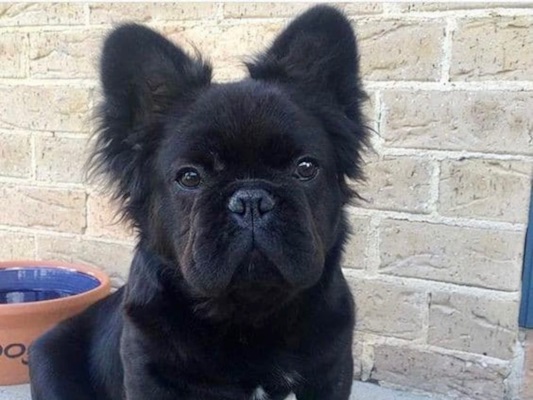
Photo: Premier Pups
Fluffy Frenchie Diet and Nutrition
A fluffy Frenchie needs a balanced diet that supports a healthy weight, good digestion, skin health, and muscle tone.
What Should a Fluffy Frenchie Eat?
Most fluffy Frenchies do well on quality dog food suited to their age, size, and health needs. Puppies, adults, and seniors have different nutrition requirements.
Ask your vet for feeding guidance, especially if your dog has allergies, digestive problems, or weight concerns.
How Much Should You Feed a Fluffy Frenchie?
The right amount depends on age, weight, activity level, metabolism, and food type. Always measure meals instead of guessing.
Avoid free-feeding if your fluffy Frenchie gains weight easily.
Best Treats for Fluffy Frenchie Training
Small soft treats work well for training. Use tiny pieces so your dog does not consume too many calories during short lessons.
Healthy options may include:
- Small dog-training treats
- Plain cooked chicken pieces
- Small bits of carrot
- Kibble from their daily meal allowance
Avoid toxic foods such as chocolate, grapes, raisins, onions, garlic, and xylitol.
Fluffy Frenchie Training Tips
Training a fluffy Frenchie can be fun, but patience helps. Frenchies are smart, yet they can be stubborn when they are bored or uninterested.
Are Fluffy Frenchies Easy to Train?
Fluffy Frenchies can learn well with positive reinforcement. They often respond best to food, praise, toys, and short sessions.
They may resist repetitive drills, so keep training light and varied.
Basic Commands for a Fluffy Frenchie
Useful commands include:
- Sit
- Stay
- Come
- Leave it
- Drop it
- Wait
- Go to bed
- Gentle
These commands help with safety, manners, and daily handling.
Potty Training a Fluffy Frenchie
Some Frenchies take time to house-train. A consistent routine helps.
Take your fluffy Frenchie outside:
- After waking up
- After eating
- After drinking
- After playtime
- Before bedtime
- After naps
Praise them immediately when they go in the right place.
Crate Training a Fluffy Frenchie
Crate training can help with rest, travel, and house-training. The crate should feel safe and comfortable, not like punishment.
Use soft bedding, short sessions, treats, and calm praise.
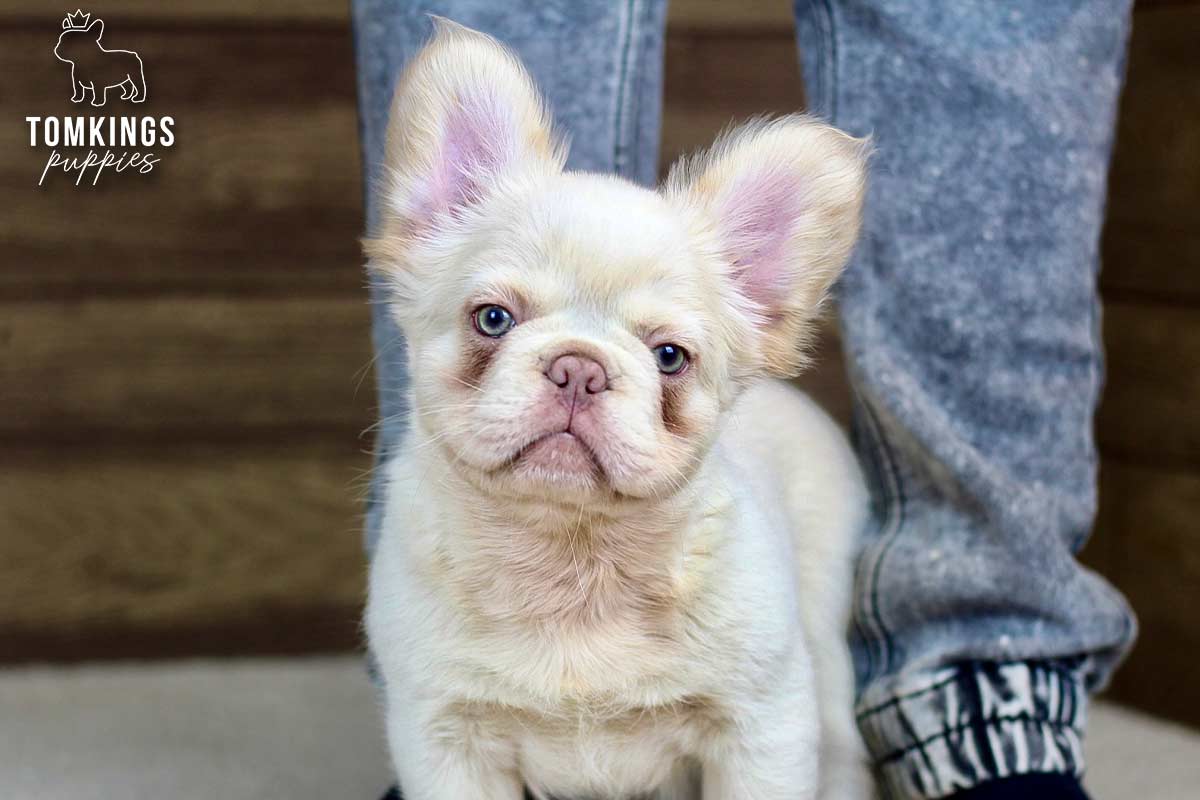
Photo: TomKings Kennel
Living With a Fluffy Frenchie
A fluffy Frenchie is best suited to indoor life. They enjoy comfort, routine, and close contact with their people.
Are Fluffy Frenchies Good Apartment Dogs?
Yes, fluffy Frenchies can be good apartment dogs because they are small and do not need intense exercise. However, they still need daily walks, playtime, and mental stimulation.
They may bark at hallway sounds or visitors, so polite quiet training can help.
Can Fluffy Frenchies Be Left Alone?
Some fluffy Frenchies struggle with separation anxiety. They are people-focused dogs and may become upset when left alone for long periods.
Build alone time gradually. Use safe toys, calm departures, and a steady routine.
Best Home Setup for a Fluffy Frenchie
Helpful items include:
- Harness
- Cooling mat
- Air conditioning or cool resting area
- Ramps for furniture
- Non-slip rugs
- Puzzle feeders
- Soft grooming brush
- Dog-safe wipes
- Pet insurance
- Emergency vet savings
Is a Fluffy Frenchie Right for You?
A fluffy Frenchie may be right for you if you want a small indoor companion and are prepared for grooming, health monitoring, and vet costs.
This breed may suit people who:
- Spend lots of time at home
- Prefer short walks
- Have air conditioning or a cool home
- Can afford pet insurance
- Are willing to clean folds, ears, and teeth
- Will choose health over rare color
- Want a close companion dog
A fluffy Frenchie may not be right for you if you:
- Want a running partner
- Live in a very hot home without cooling
- Cannot budget for medical care
- Want a low-risk breed
- Are away all day
- Want a dog for rough outdoor activity
FAQ
Are fluffy Frenchies rare?
Fluffy Frenchies are less common than standard short-haired French Bulldogs, but rarity should not be the main reason to buy one.
Do fluffy Frenchies shed?
Yes, fluffy Frenchies shed. Regular brushing helps manage loose hair and keeps the coat cleaner.
Are fluffy Frenchies hypoallergenic?
No. Fluffy Frenchies are not hypoallergenic. They shed and produce dander.
Are fluffy Frenchies high maintenance?
Yes, in some ways. Their grooming is manageable, but their health risks, heat sensitivity, and possible vet costs make them a higher-responsibility breed.
How long do fluffy Frenchies live?
Lifespan varies depending on genetics, health, weight, breathing quality, and care. Many French Bulldogs live around 10 to 12 years, though some live longer and some have shorter lives due to health issues.
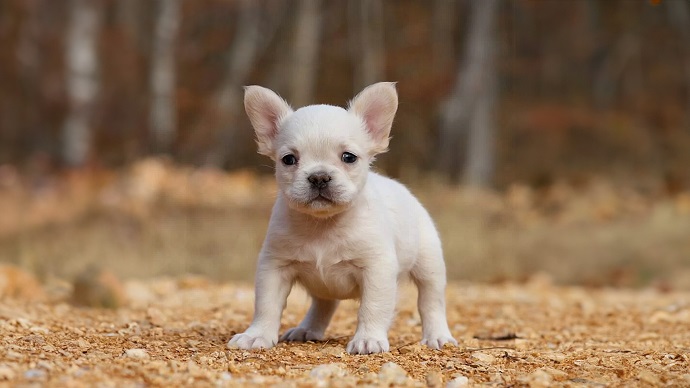
Photo: Johnson House Bullies
Final Thoughts
The fluffy Frenchie breed is adorable, affectionate, and full of personality. These long-haired French Bulldogs can make loving companions for people who understand their needs.
Still, the fluffy coat should never distract from the serious side of French Bulldog ownership. Breathing, heat safety, spine health, skin care, dental care, and breeder ethics matter far more than coat length or rare color.
The best fluffy Frenchie is not just cute. It is bred with care, kept at a healthy weight, protected from heat, and loved by someone who is ready for both the cuddles and the responsibility.
Pretty Fluffy is the ultimate lifestyle destination for dog lovers. Discover the best designer dog brands and emerging small pet businesses, the latest dog accessories, healthy dog treat recipes, dog training tips and more. Thank you for being part of our dog-loving community!
Fluffy Editorial is our in-house team of writers and dog nerds. We research every topic carefully, talk to professionals when needed, and focus on sharing honest advice we’d follow with our own dogs.
Photography: Kristen Amber Jones and Paul Jones




-
 WOOF Party Pupsicle
Long-Lasting Interactive Dog Toys for Boredom


-
WOOF Party Pupsicle
Long-Lasting Interactive Dog Toys for Boredom